
 EN
EN
 ar
ar bg
bg hr
hr cs
cs da
da nl
nl fi
fi fr
fr de
de el
el hi
hi it
it ko
ko no
no pl
pl pt
pt ro
ro ru
ru es
es sv
sv tl
tl iw
iw id
id lv
lv lt
lt sr
sr sk
sk sl
sl uk
uk vi
vi et
et hu
hu th
th tr
tr fa
fa ms
ms hy
hy ka
ka ur
ur bn
bn mn
mn ta
ta kk
kk uz
uz ku
ku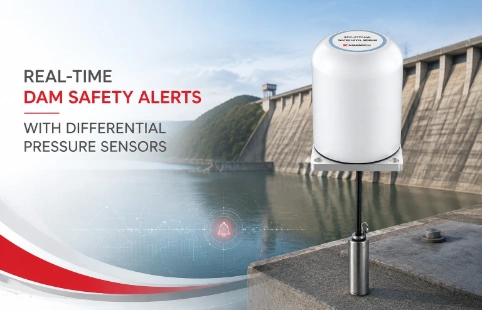
Real-Time Dam Safety Alerts with Differential Pressure Water Level Sensors
Key Takeaways An alert chain needs more than a sensor: define field in...

Testing Load Cells Designed for Field Reliability
When you're setting up a geotechnical monitoring system, the testing load cells you choose can make or break your data quality. We've seen too many projects where off-the-shelf sensors drift within weeks of installation, especially in harsh environments like deep excavations or tunnel linings. That's why Kingmach focuses on load cells that are built for the long haul. Our testing load cells are not generic components; they are engineered with the specific challenges of civil engineering and mining sites in mind. From temporary pile tests to permanent anchor monitoring, the sensor must deliver consistent readings despite mud, water, and temperature swings. Kingmach, as a specialized geotechnical instrument manufacturer, brings decades of field experience to the design. We select robust materials, seal critical electronics, and incorporate temperature compensation to keep your data reliable. And because no two projects are identical, we offer customization on capacity, cable length, and mounting options. The aim isn't just to sell a sensor, but to provide a measurement tool that you can install and forget, confident that it will keep feeding accurate data to your data logger month after month.
Technical Detail
Kingmach testing load cells cover a practical range of capacities, commonly from a few kilonewtons up to several meganewtons, to match different monitoring tasks. You'll find them used in anchor pull-out tests, strut load monitoring, pile load testing, and tunnel convergence measurements. The sensor body is typically machined from highgrade alloy steel or stainless steel, depending on the corrosion risk at your site. For long-term outdoor use, we often recommend the stainless steel option with welded seals to block moisture ingress. Inside, strain gauges are configured in a full Wheatstone bridge for better sensitivity and temperature compensation. A common issue with cheaper load cells is zero drift when the temperature drops overnight; Kingmach's units are compensated to minimize that effect within normal environmental ranges. The output can be standardized, such as 2 mV/V or 4-20 mA, to plug into most data loggers and readout units. If you need digital output like RS-485 with Modbus, that's also possible through custom configuration. Mounting is straightforward: threaded ends, through-hole design, or custom adapters can be specified. Every sensor leaves our production line with a calibration sheet traceable to national standards. Beyond the hardware, our technical team can assist with wiring diagrams, installation advice, and troubleshooting. We maintain stock on some popular models for quick delivery, but custom designs naturally take a bit longer—just ask our sales team for a timeline.
News
Key Takeaways An alert chain needs more than a sensor: define field in...
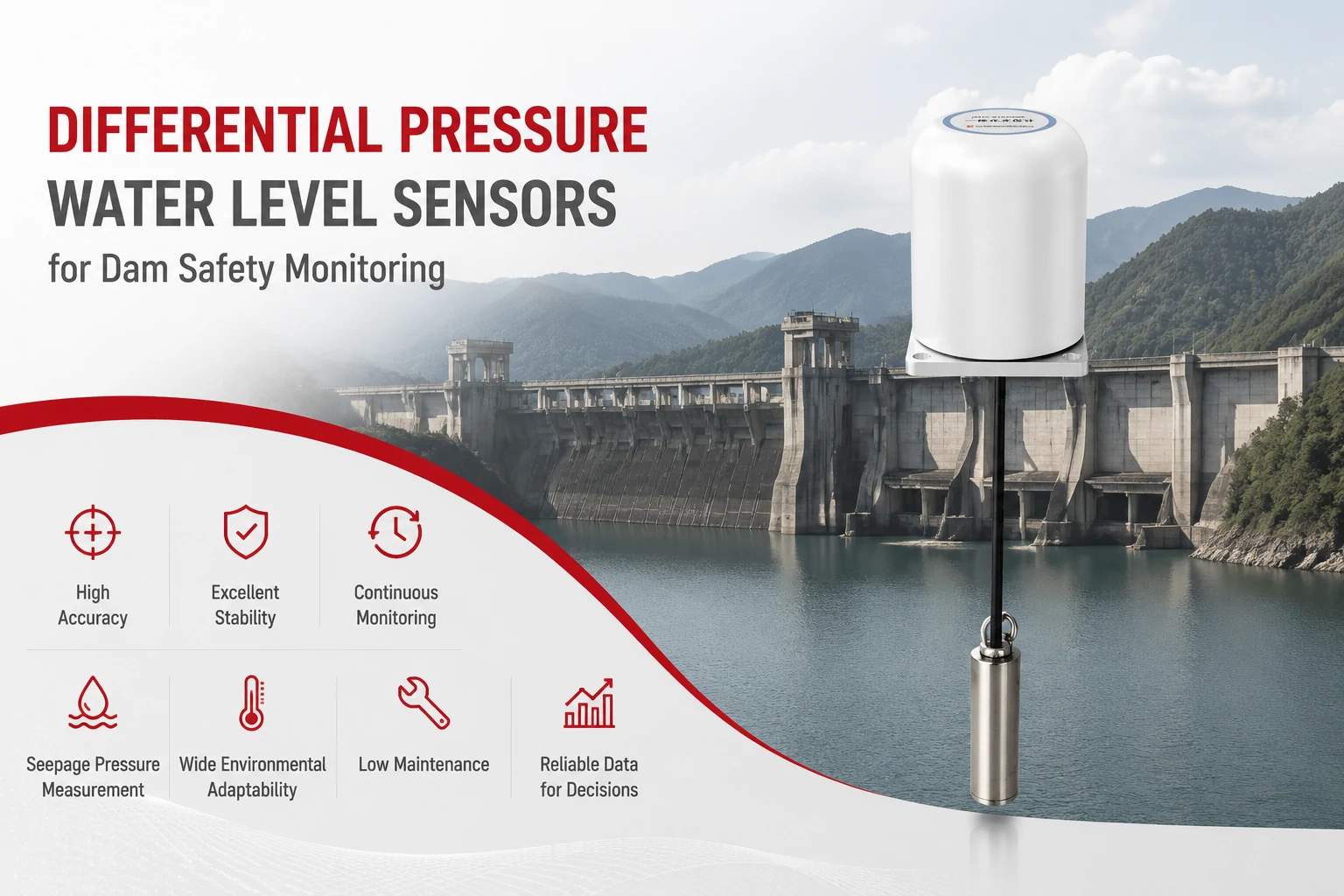
Key Takeaways The strongest fit is usually a confined, submerged, or s...
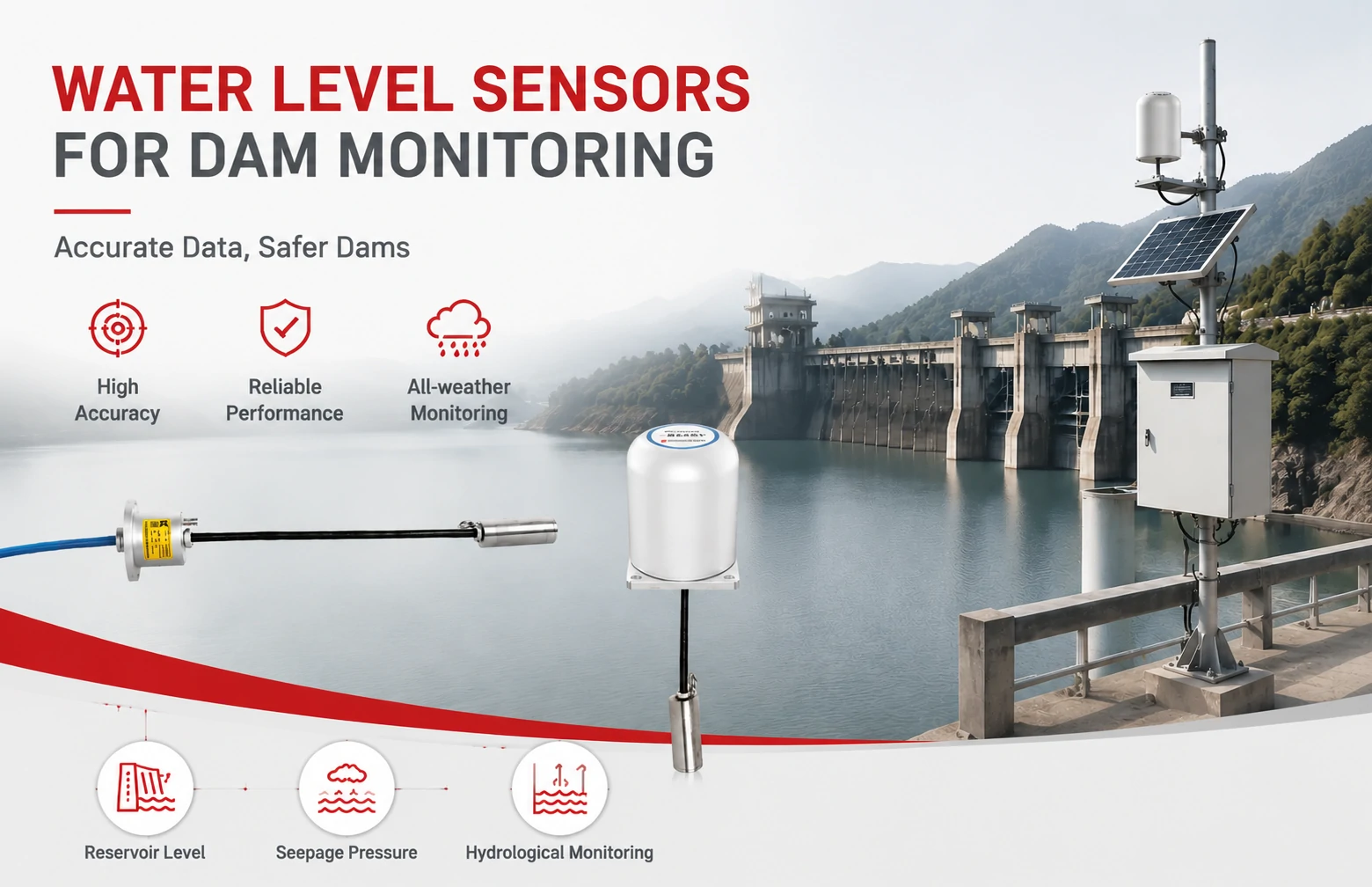
Kingmach Water Level Sensors for Dam Monitoring: A Buyer's Guide to Differential Pre...
Products
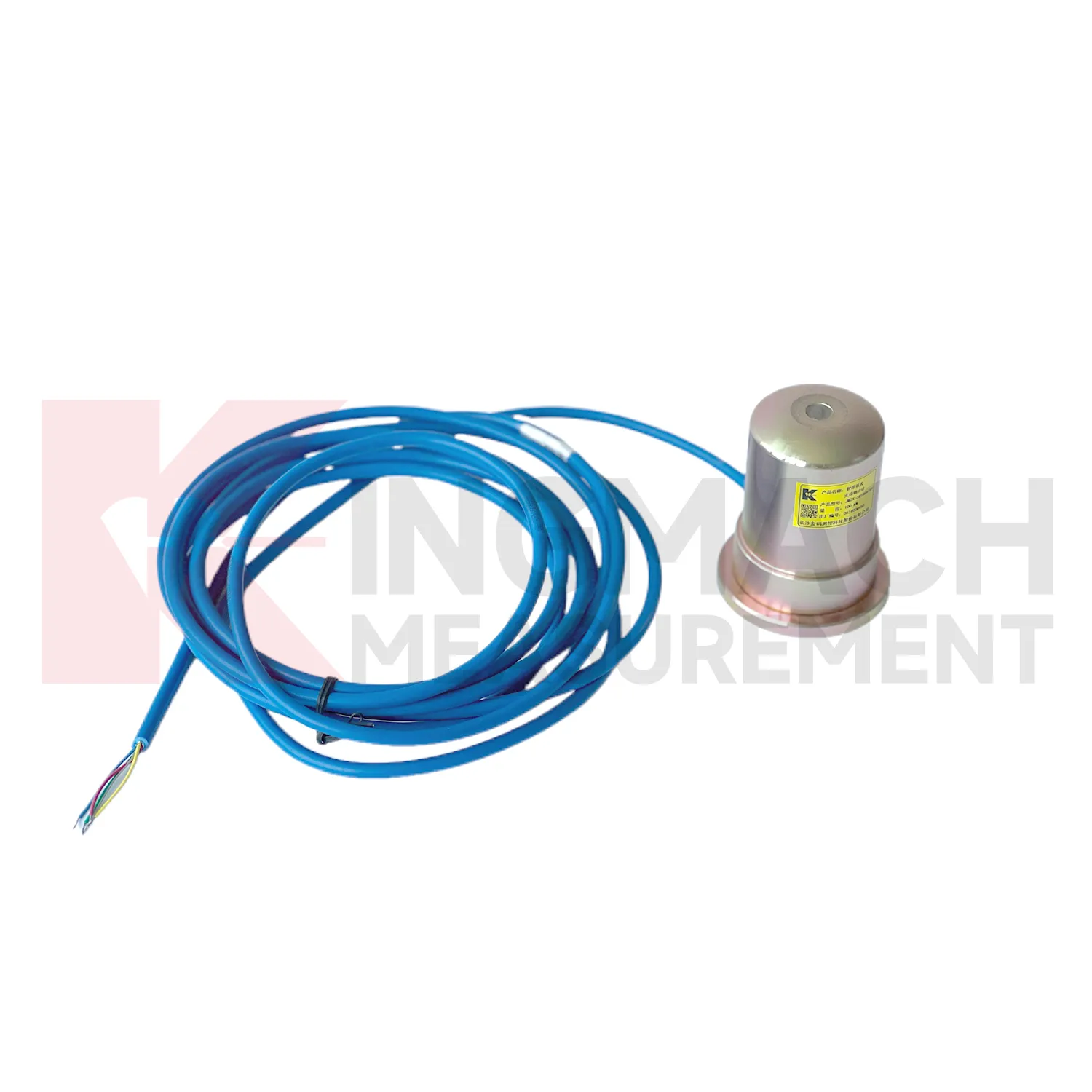
Smart Formwork Axial Force Meter(VW)JMZX-39XXHAT
View Details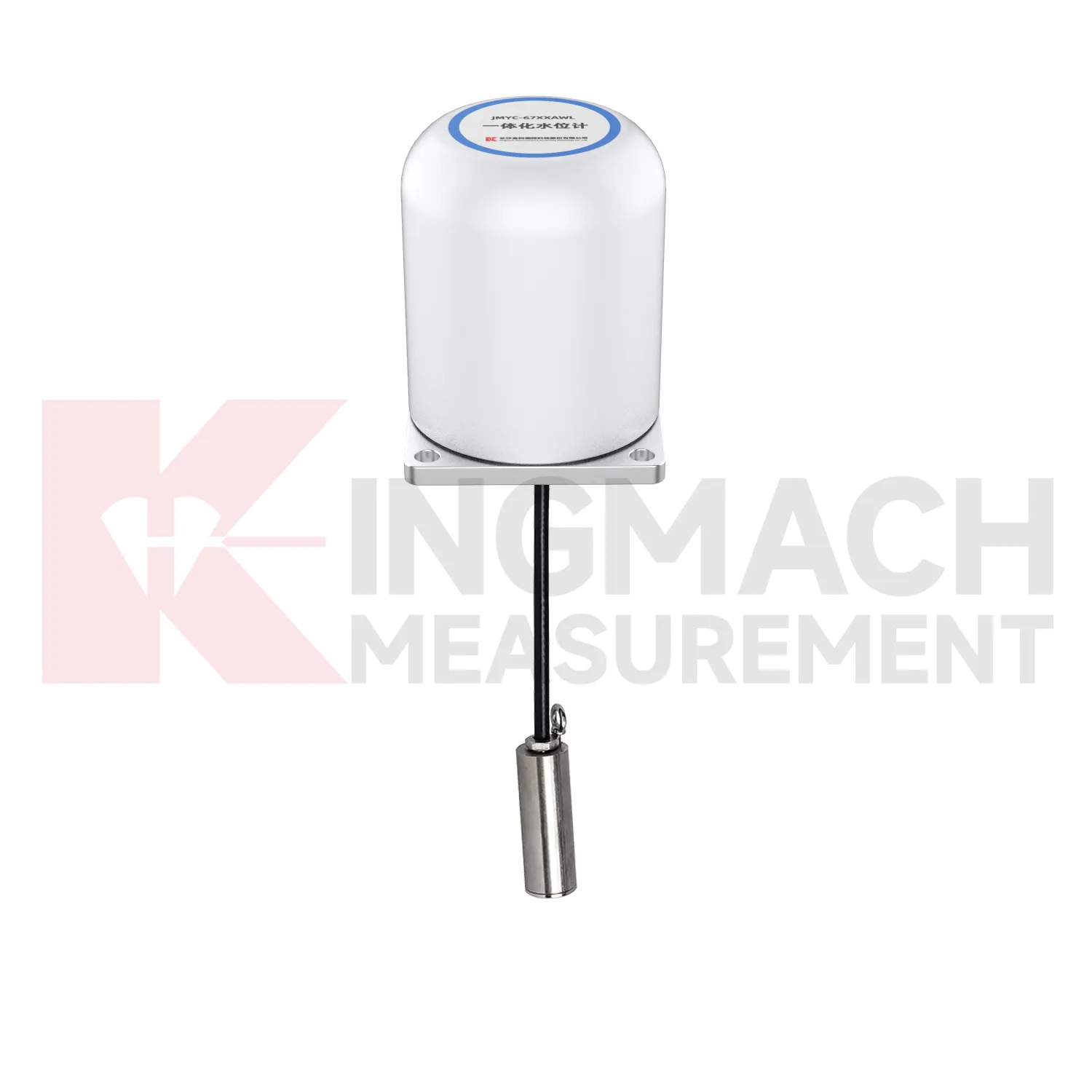
Integrated Wide-Range Differential Pressure Water Level Meter JMYC-67XXAWL
View Details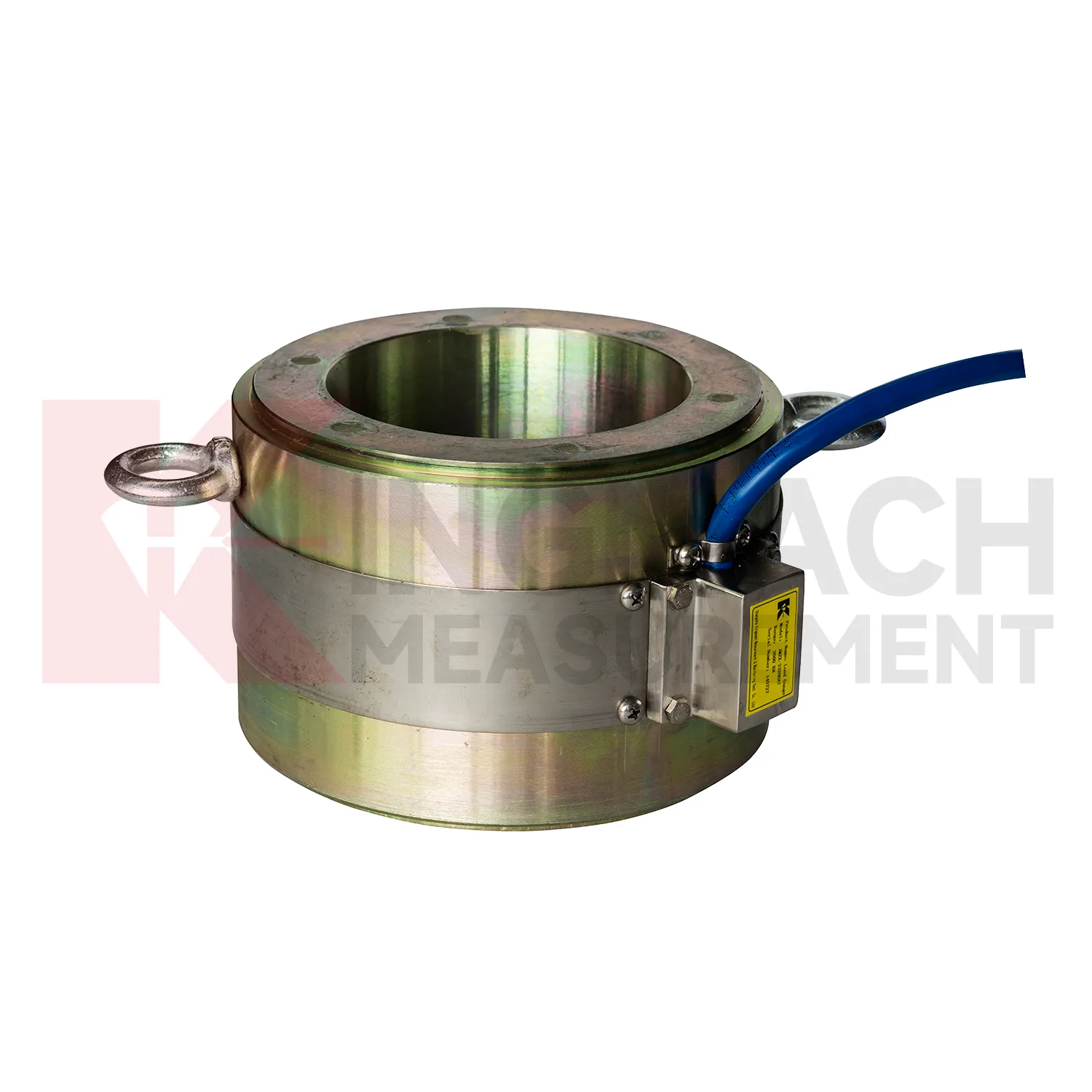
FAQ
Start by estimating the maximum expected load, then add a safety margin of at least 20%. For example, if your anchor is designed for 100 kN, a 150 kN load cell is a reasonable choice. Avoid oversizing too much, as that reduces resolution. Kingmach can help you select based on your structural calculations.
Many of our load cells are available with IP68-rated sealing, including triple O-ring barriers and potted cable exits, which allows temporary or permanent underwater use. For deep submersion or aggressive chemicals, we suggest a custom-engineered solution with proper material and sealing, so give us your specific conditions and we'll recommend accordingly.
Standard output is typically mV/V from a Wheatstone bridge, which requires a data logger with strain gauge input. We also offer amplified outputs like 0-5V or 4-20 mA that work well with basic industrial loggers. Digital options such as RS-485 with Modbus RTU can be provided for larger monitoring networks. We include wiring diagrams and can guide your integrator through setup.
Every testing load cell comes with a calibration certificate traceable to national standards. Over time, any load cell can drift slightly, especially under high-cycle loading or overloading events. We recommend an annual recalibration check for critical measurements. Kingmach offers recalibration services and can advise on field calibration procedures.
For popular capacity models that we keep in stock, dispatch is often within a few days after order confirmation. Custom capacities, signal types, or mounting requirements usually add several weeks to manufacturing. The exact timeline depends on current workload, so it's best to contact our sales team with your specifications, and we'll give you a confirmed delivery date.
Share your product type, target capacity, and application requirements. Our team can review the details and recommend a practical next step.
If you are interested in our products or want to become our partner.
Please leave your contact information, our team will contact you as soon as possible.
Mail: [email protected]
Contact Us: +8613808434127
Address: No. 188 Tongzipo West Rd, Changsha, Hunan, China