
 EN
EN
 ar
ar bg
bg hr
hr cs
cs da
da nl
nl fi
fi fr
fr de
de el
el hi
hi it
it ko
ko no
no pl
pl pt
pt ro
ro ru
ru es
es sv
sv tl
tl iw
iw id
id lv
lv lt
lt sr
sr sk
sk sl
sl uk
uk vi
vi et
et hu
hu th
th tr
tr fa
fa ms
ms hy
hy ka
ka ur
ur bn
bn mn
mn ta
ta kk
kk uz
uz ku
ku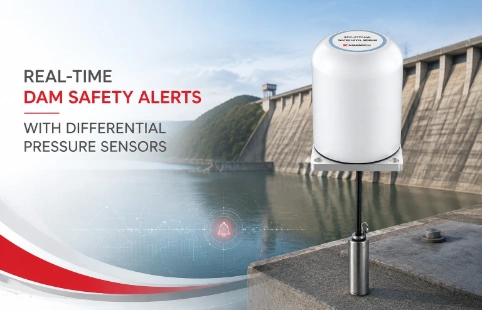
Real-Time Dam Safety Alerts with Differential Pressure Water Level Sensors
Key Takeaways An alert chain needs more than a sensor: define field in...

Strain and Pressure Sensors Tailored for Field Demands
In geotechnical monitoring, strain and pressure readings often determine whether a project stays on track or encounters delays. Kingmach sensors are built for this reality—they don’t chase lab-level extremes, but they deliver consistent data in the field, from deep excavations to long-term structural watching. As a manufacturer with a wide instrument range, we’ve seen how many standard catalog sensors still fall short when a site has tricky access or non-standard embedment. That’s where customization makes the difference: adjusting cable lengths, modifying mounting, or tuning a sensor’s response for a particular soil or concrete mix. Our design focus is on output stability and practical deployment, backed by a global distribution network that puts parts and service within reach. Whether you need a basic strain gauge or a pressure cell for high-load areas, we keep the selection process straightforward and the support accessible.
Technical Detail
Kingmach’s strain and pressure sensor line covers the common measurement scenarios in civil and mining work—rebar strain in concrete, stress change in soil, pressure at retaining walls or tunnel linings. The range includes vibrating wire and electrical resistance types, and we hold inventory for the most-requested standard models so that smaller orders don’t get sidelined. For large projects, we routinely work with engineers to modify standard designs: changing a pressure sensor’s plate diameter, adding temperature compensation, or adjusting the output signal to fit an existing data logger. Our production team handles these variations without requiring a minimum batch for each tweak. In application, these sensors have been used for long-term dam safety, urban excavation monitoring, and landslide early warning—the kind of jobs where a sudden data gap isn’t acceptable. To support this, we provide field wiring diagrams, calibration sheets in digital format, and remote diagnostics when a reading goes off-range. The after-sales team includes engineers who’ve commissioned instruments themselves, so the troubleshooting is practical. As a mid-range manufacturer, we aim to balance instrument cost with long-term reliability: our design life for buried sensors typically targets 10+ years, and we’ve had installations still functioning well beyond that in non-aggressive environments.
News
Key Takeaways An alert chain needs more than a sensor: define field in...
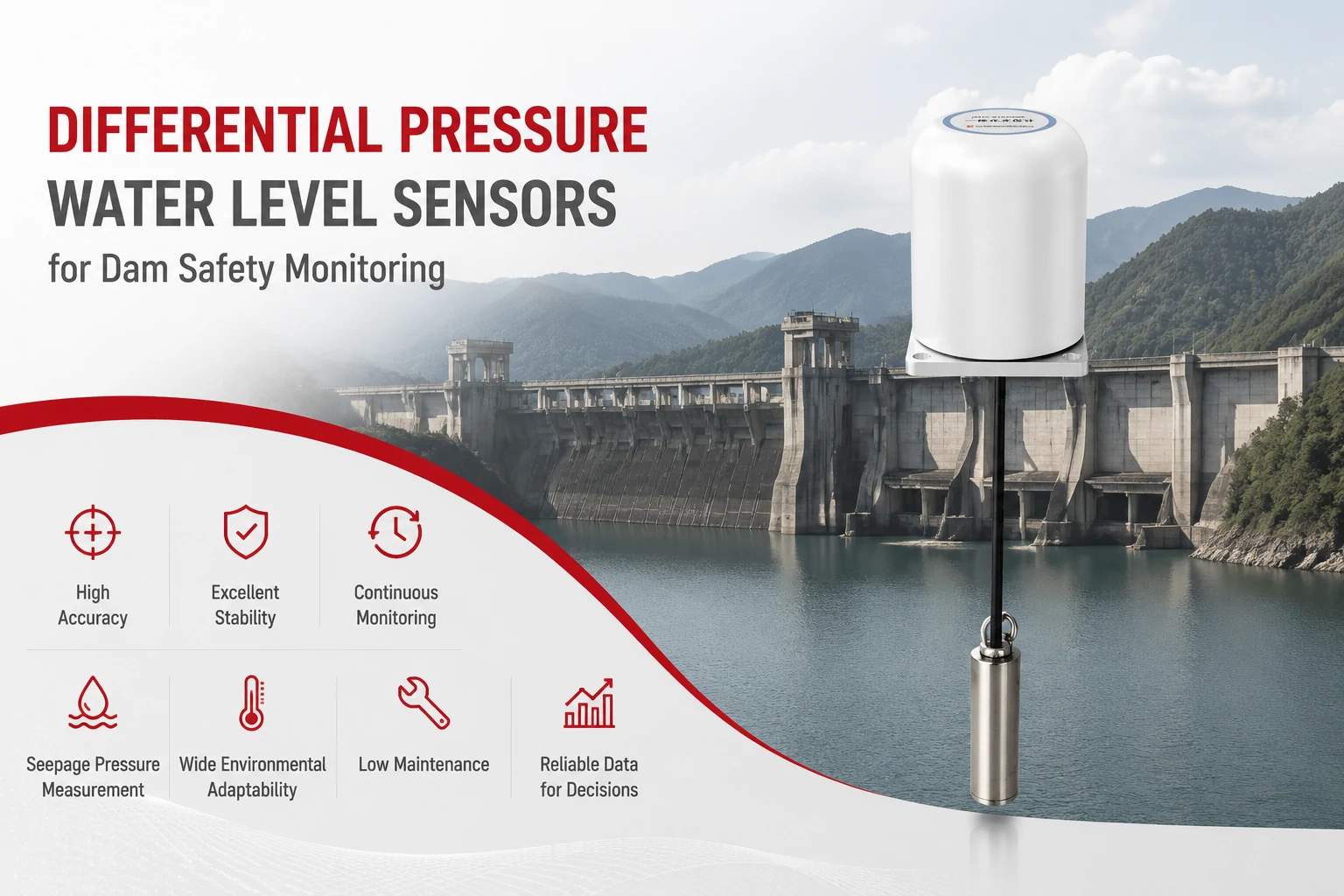
Key Takeaways The strongest fit is usually a confined, submerged, or s...
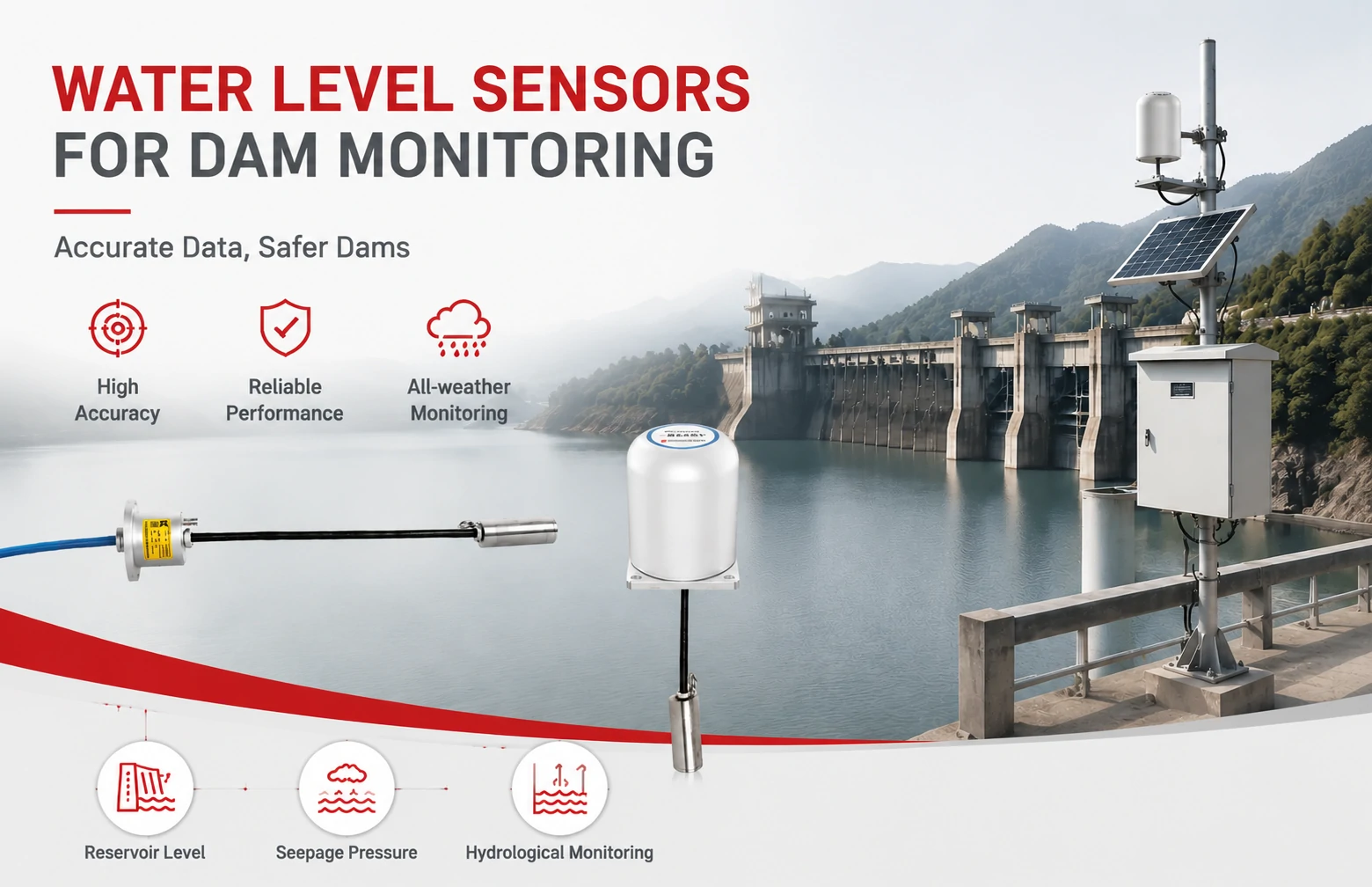
Kingmach Water Level Sensors for Dam Monitoring: A Buyer's Guide to Differential Pre...
Products
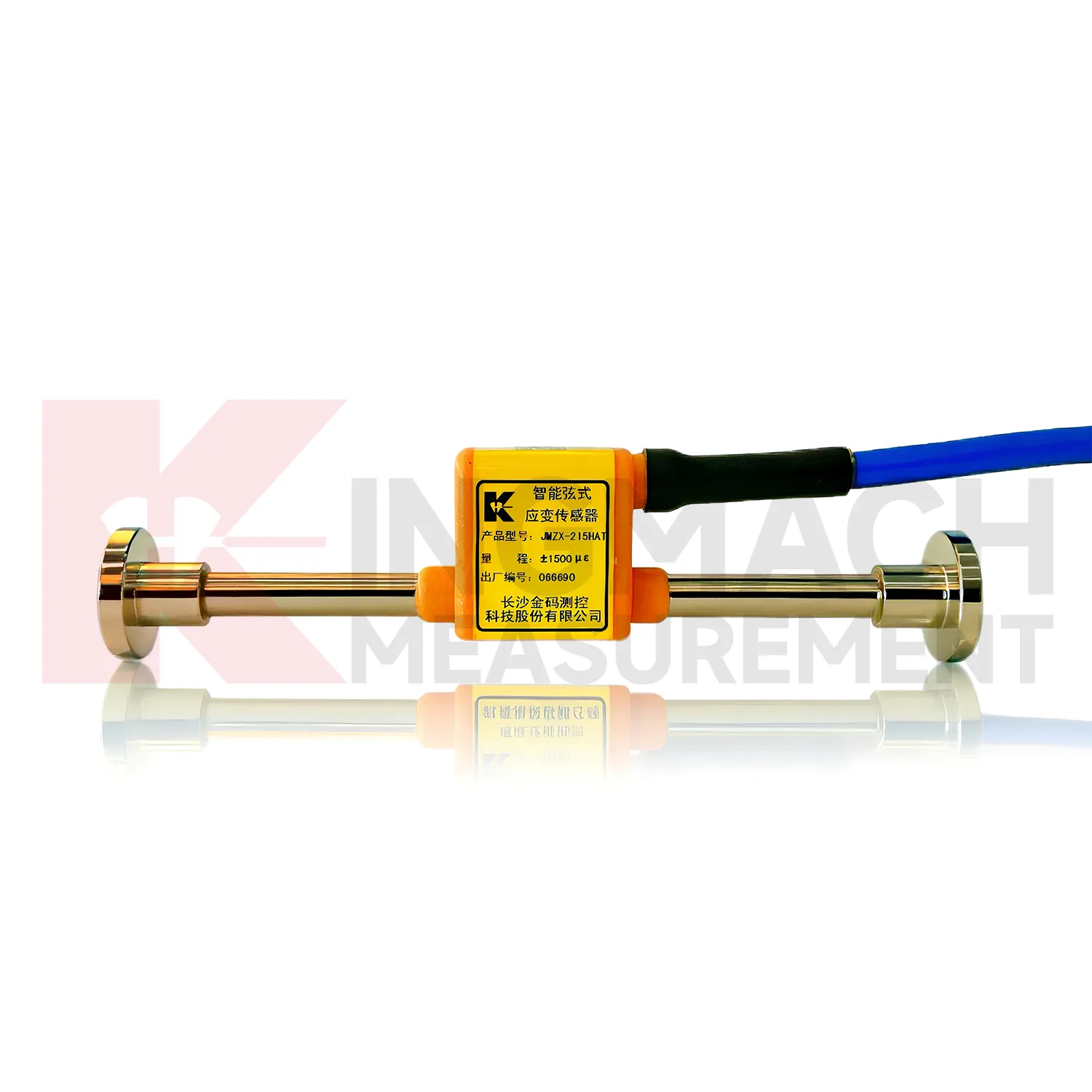
Smart vibrating wire strain gauge (embedment model) JMZX-215HA/215HAT/HB
View Details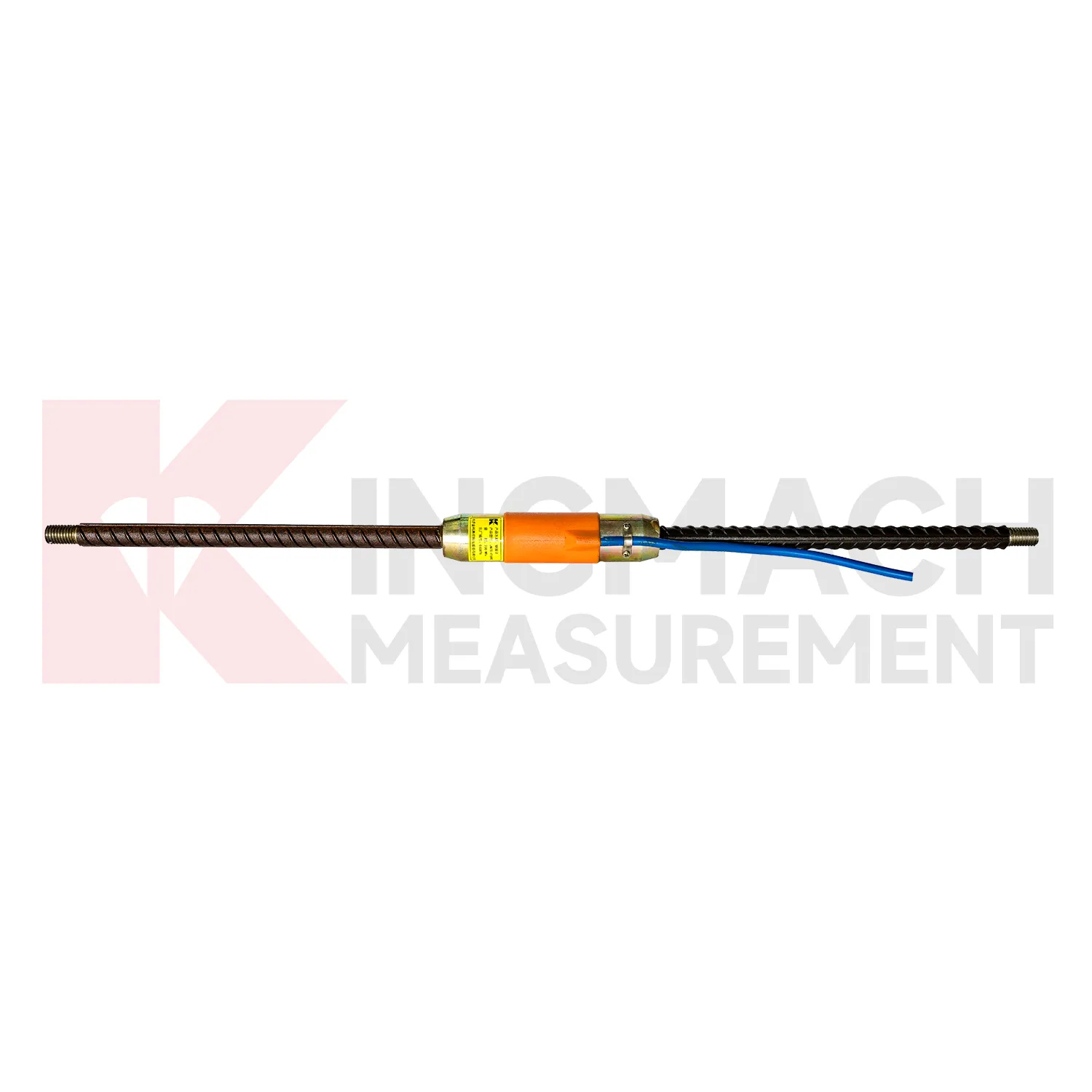
Rebar Strainmeters ( VW & Smart Type) JMZX-4XXHAT/HB
View Details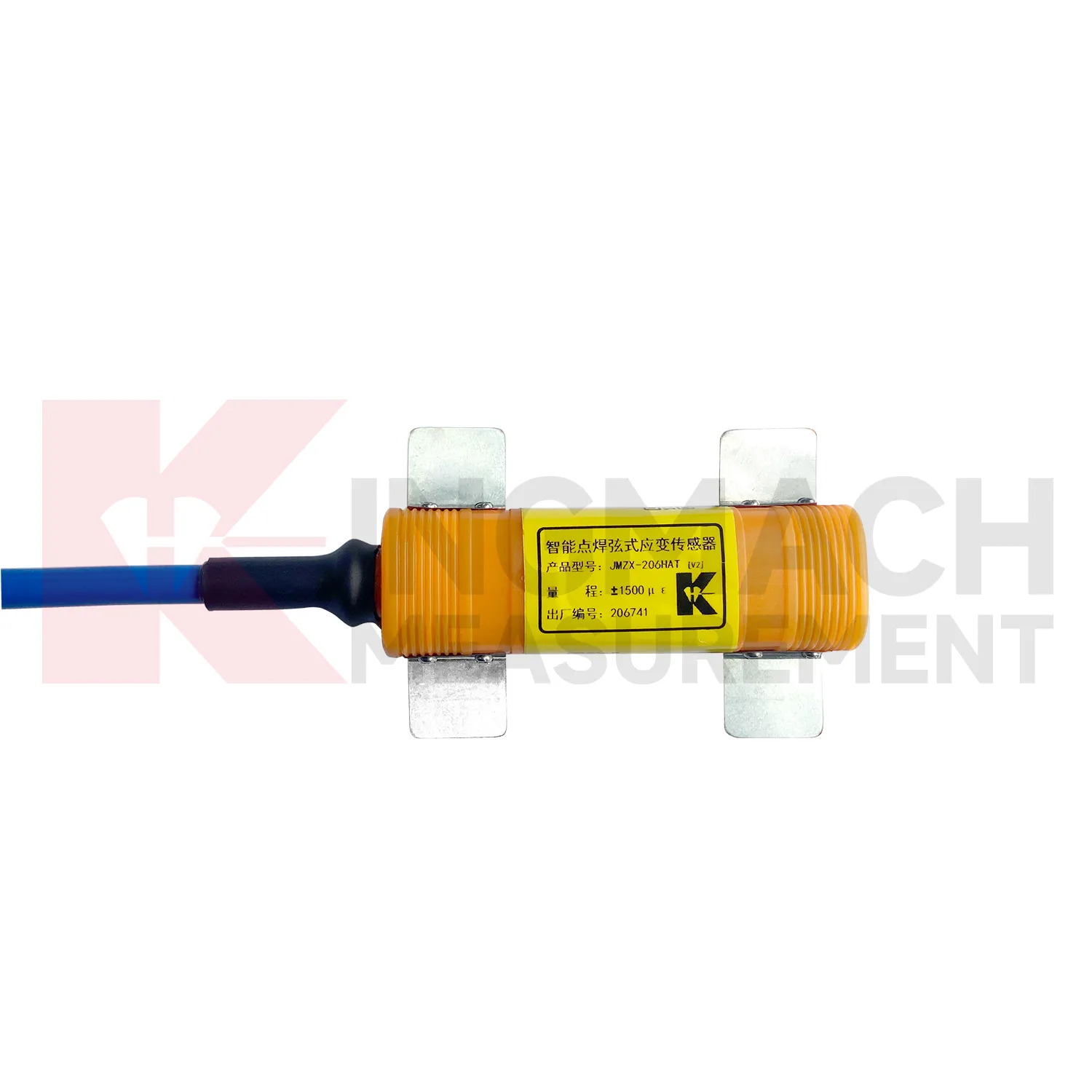
Smart vibrating wire strain gauge (surface welded model) JMZX-206HAT
View DetailsFAQ
Yes. Many of our strain gauges are designed for direct embedment. We typically install them with protective housing and proper bonding, which we detail in the installation guide. The vibrating wire models are especially common for this because of their long-term stability.
Most models can be tuned to a specific range. We adjust the internal structure and diaphragm parameters based on the expected load. The process adds a couple of weeks to the lead time, but we don’t require large batches for this—just the target range and accuracy class.
Our sensors output standard signals that work with most wireless nodes. We don’t build wireless into the sensor itself to keep the buried part simple, but we can pre-terminate the cable for a compatible logger or supply a recommended wireless acquisition system.
We provide initial commissioning support by email or call, and we check calibration data if a reading seems off. For large projects, we can arrange a site visit. Standard warranty covers manufacturing defects, but we’ll often help diagnose installation issues anyway.
It depends on what you’re measuring and how it’s installed. For rebar strain in retaining structures, electrical resistance gauges are often easier to multiplex. For strain in soil or rock, vibrating wire sensors are more stable over time with minimal drift. We can walk through your specific layout and suggest a combination that reduces cable runs and logger channels.
Share your product type, target capacity, and application requirements. Our team can review the details and recommend a practical next step.
If you are interested in our products or want to become our partner.
Please leave your contact information, our team will contact you as soon as possible.
Mail: [email protected]
Contact Us: +8613808434127
Address: No. 188 Tongzipo West Rd, Changsha, Hunan, China