
 EN
EN
 ar
ar bg
bg hr
hr cs
cs da
da nl
nl fi
fi fr
fr de
de el
el hi
hi it
it ko
ko no
no pl
pl pt
pt ro
ro ru
ru es
es sv
sv tl
tl iw
iw id
id lv
lv lt
lt sr
sr sk
sk sl
sl uk
uk vi
vi et
et hu
hu th
th tr
tr fa
fa ms
ms hy
hy ka
ka ur
ur bn
bn mn
mn ta
ta kk
kk uz
uz ku
ku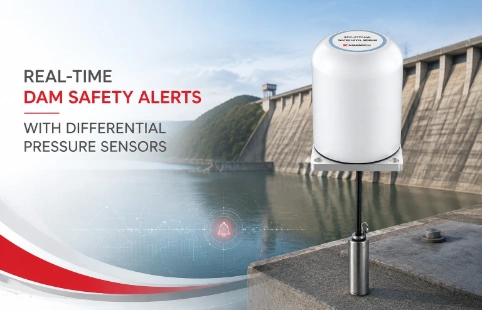
Real-Time Dam Safety Alerts with Differential Pressure Water Level Sensors
Key Takeaways An alert chain needs more than a sensor: define field in...

Load Cell Data Acquisition Systems That Put Data First
When a monitoring project involves dozens of load cells spread across a construction site, the weakest link usually isn’t the sensors. It’s the thing that collects the numbers. A load cell data acquisition system has to handle mixed signal types, survive field conditions, and keep data flowing without forcing engineers to babysit the hardware. At Kingmach, we build these systems with the understanding that geotechnical data is messy. Load cells come with different output ranges, excitation needs, and wiring schemes. The DAQ you pick either becomes a bottleneck or fades into the background. Over the years we’ve refined our approach: high-resolution inputs, flexible channel configurations, and software that speaks the language of civil engineers. No marketing fluff—just measured choices in front-end design that keep noise floor low and data continuity high. Whether it’s a short-term pile test or permanent anchor monitoring, the acquisition system should let you focus on interpreting loads, not debugging signals.
Technical Detail
Kingmach Measurement & Monitoring Technology sits in the middle of the market intentionally—we don’t believe engineers should overpay for features that never get used, or get stuck with hardware that can’t grow. Our load cell data acquisition systems reflect that. The architecture is modular: you can start with a four-channel logger and scale to dozens without swapping core components. Inputs accept standard strain gauge load cells (full bridge, 350Ω or 1000Ω) and also handle 4-20mA transmitters, which still appear on older civil works retrofit jobs. Excitation voltage is programmable per channel, so you don’t need external power supplies for sensors with different sweet spots. One detail that field crews appreciate is the onboard signal conditioning—selectable low-pass filtering cuts out the truck rumbling by without smearing real load changes. For larger setups, units synchronize across a single cable backbone, avoiding piles of batteries and SD cards. Data lands in a desktop application or gets pushed to common cloud platforms through an open API; CSV export is there, but we find most users stick with the built-in database and auto-reporting. Engineering support helps with the oddball cases: a client once needed to log data from 30-year-old vibrating wire load cells alongside modern strain gauges, so we configured a hybrid input with dual sampling rates and isolated grounds. The unit ran for 18 months on a solar panel and sent daily summaries via SMS. That kind of flexibility comes from in-house design, not reselling generic hardware. Documentation is exhaustive because we know the system will be installed by different crews over its life. Every analog input range, filter setting, and calibration factor is noted in the manual with typical values and the underlying math.
News
Key Takeaways An alert chain needs more than a sensor: define field in...
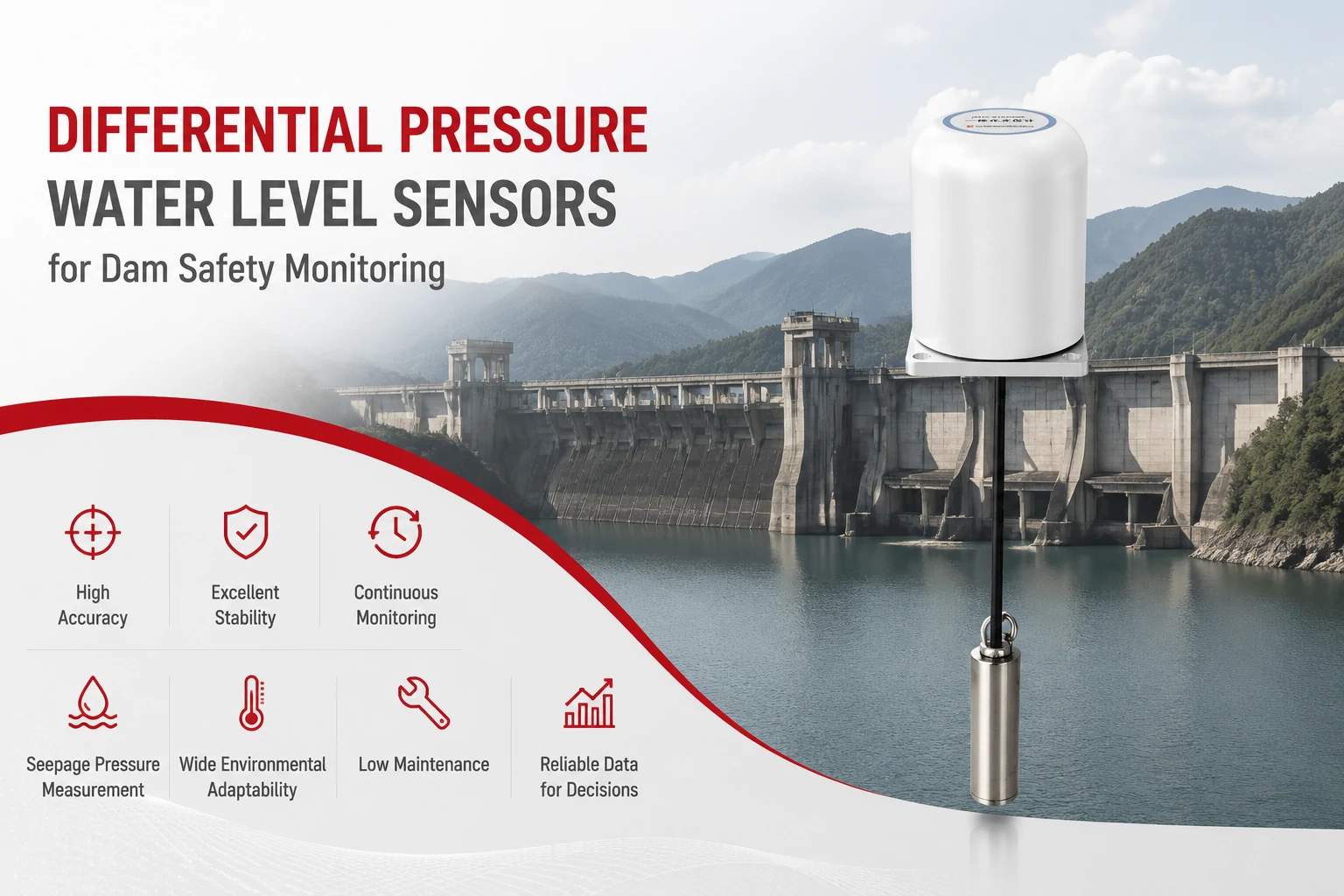
Key Takeaways The strongest fit is usually a confined, submerged, or s...
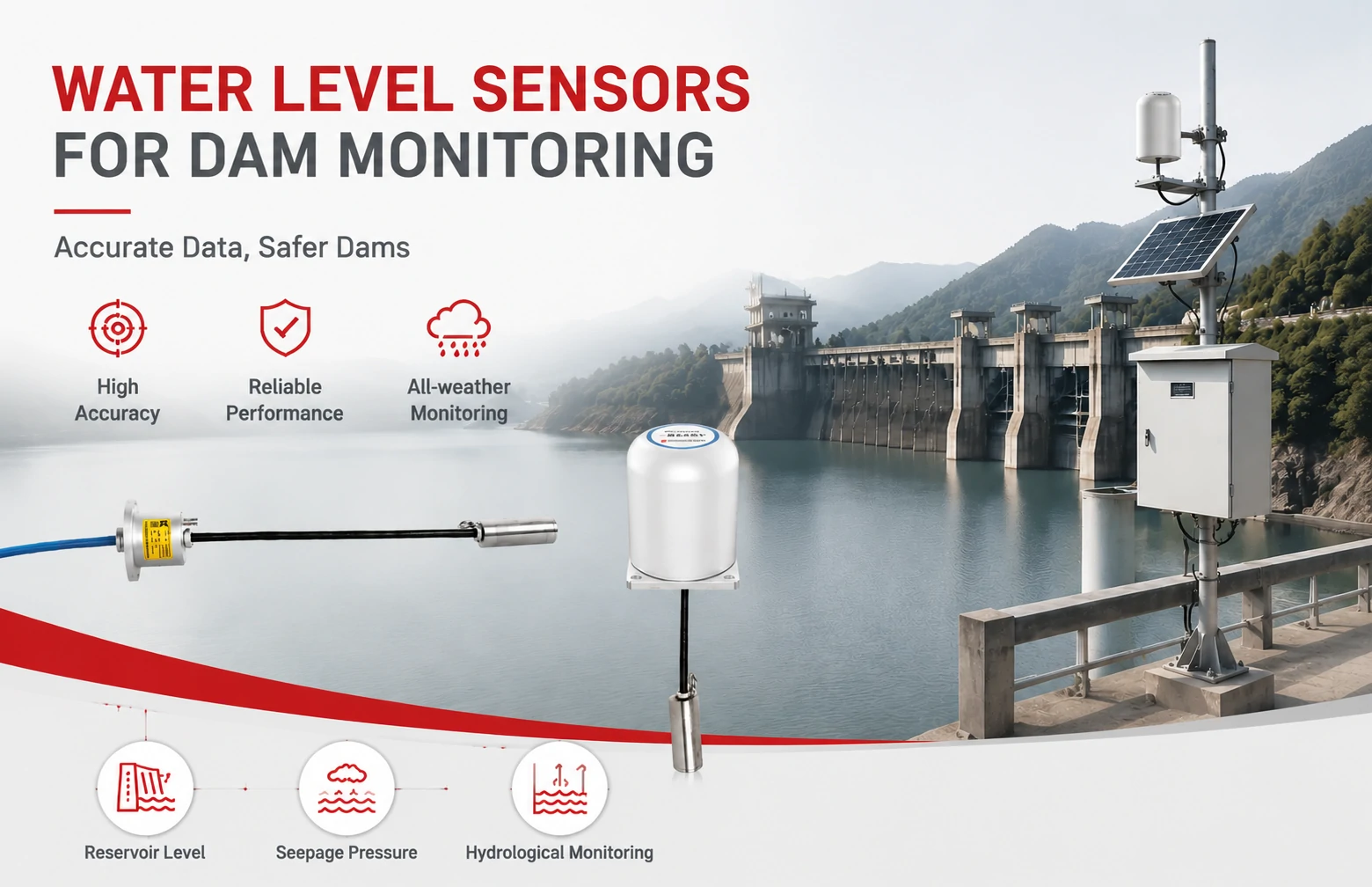
Kingmach Water Level Sensors for Dam Monitoring: A Buyer's Guide to Differential Pre...
Products
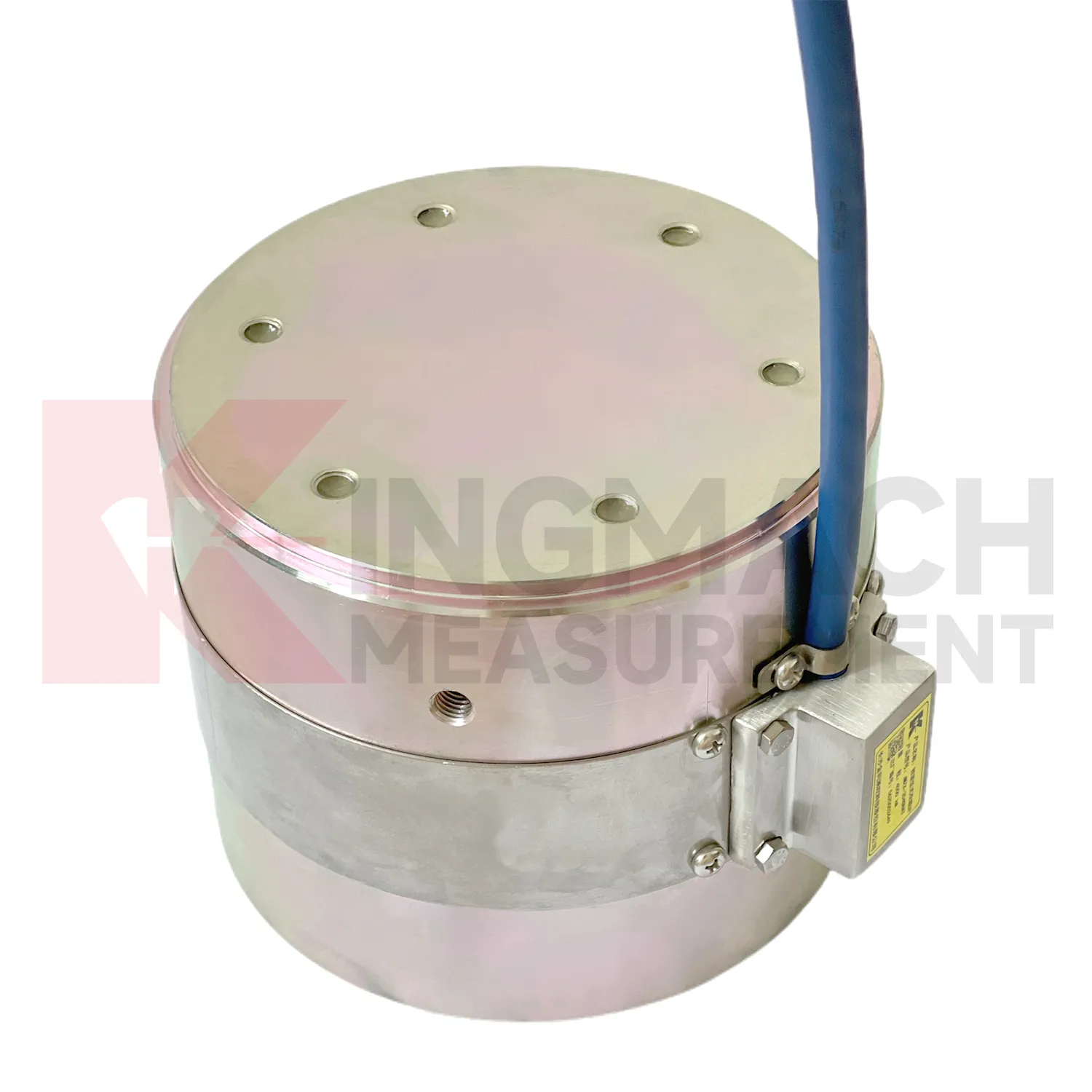
Solid load cell JMZX-34XXHAT、35XXHAT、36XXHAT
View Details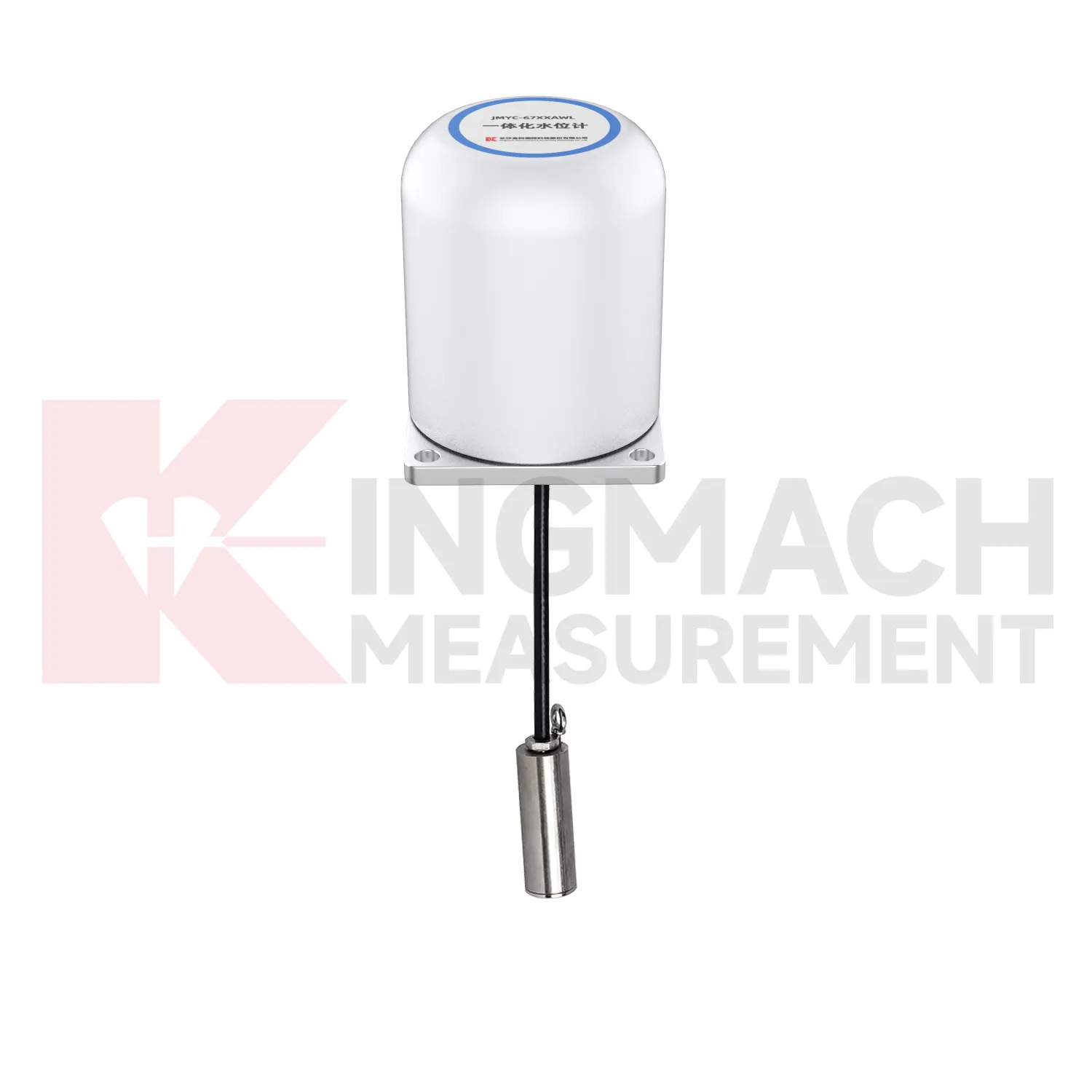
Integrated Wide-Range Differential Pressure Water Level Meter JMYC-67XXAWL
View Details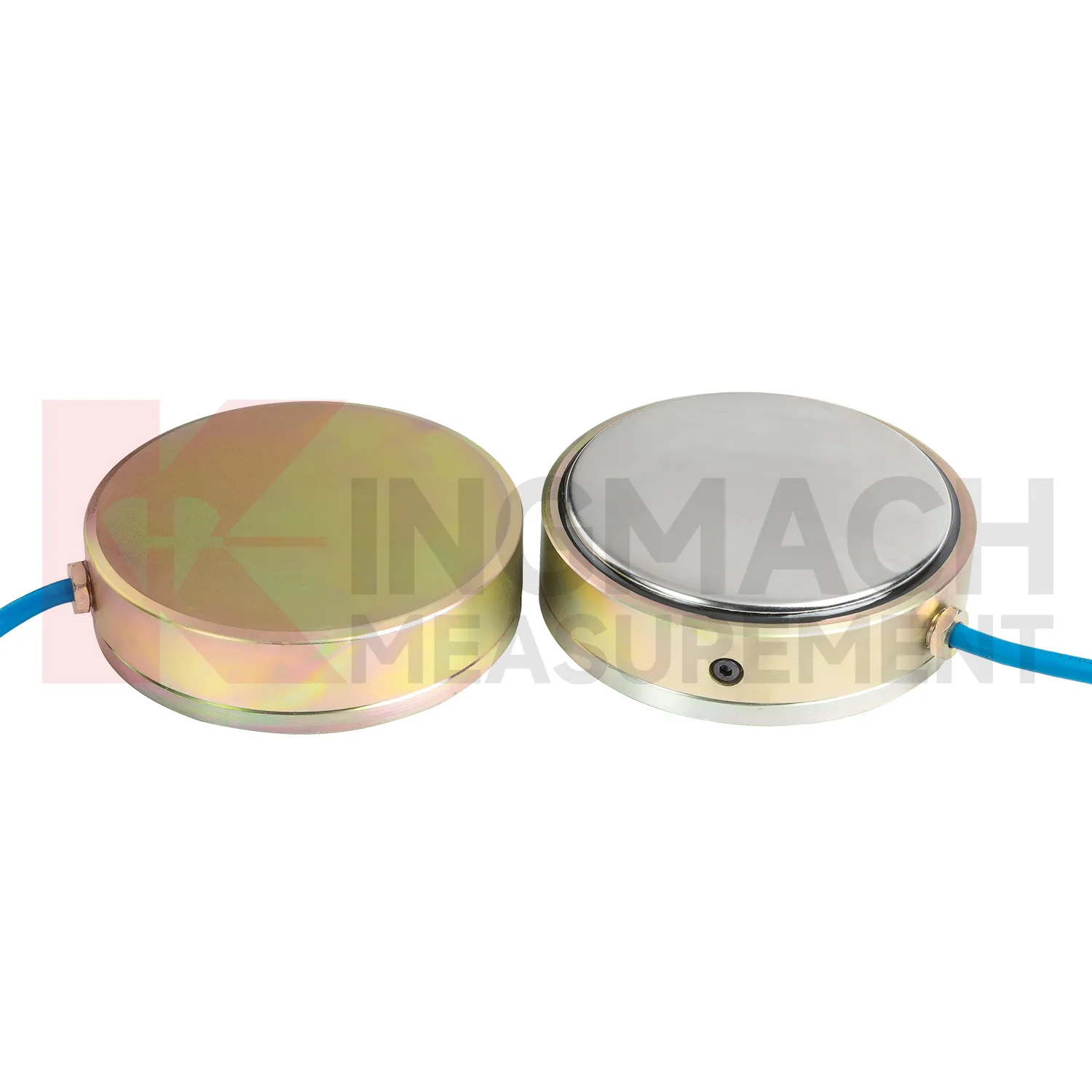
Earth Pressure Cell ( VW & Smart Type) JMZX-50XXAT/ ATM
View DetailsFAQ
The inputs are configurable for full-bridge strain gauge load cells (common resistances like 350Ω and 1 kΩ work out of the box) and 4-20mA two-wire transmitters. Excitation and gain are set per channel, so mixed sensor setups are straightforward. For special cases—like vibrating wire or potentiometric load cells—we’ll spec a compatible front-end module.
We offer base configurations with 4, 8, or 16 analog channels. Multiple units link together over a single communication bus, so you can expand to 100+ channels without adding separate loggers. Synchronization between modules stays within a few milliseconds, which is fine for most geotechnical measurements where loads change gradually.
Yes, power consumption is low enough for a small solar panel and battery. The hardware runs on 12 V DC and has a sleep mode between readings. We’ve had units operating unattended for over a year with a 50W panel and a deep-cycle battery. The internal battery health is logged too, so you get a heads-up before it fails.
The desktop software lets you export to CSV or directly into a project database. If you need integration with SCADA or cloud platforms, there’s a documented REST API. Some users prefer an automatic FTP upload of daily files; we can set that up during configuration.
We provide pre-sales help with sensor compatibility and system architecture, plus commissioning support by remote session or on site. After that, you get access to our engineers—not a tiered helpdesk. Most issues get a workable answer within a day.
Share your product type, target capacity, and application requirements. Our team can review the details and recommend a practical next step.
If you are interested in our products or want to become our partner.
Please leave your contact information, our team will contact you as soon as possible.
Mail: [email protected]
Contact Us: +8613808434127
Address: No. 188 Tongzipo West Rd, Changsha, Hunan, China