
 EN
EN
 ar
ar bg
bg hr
hr cs
cs da
da nl
nl fi
fi fr
fr de
de el
el hi
hi it
it ko
ko no
no pl
pl pt
pt ro
ro ru
ru es
es sv
sv tl
tl iw
iw id
id lv
lv lt
lt sr
sr sk
sk sl
sl uk
uk vi
vi et
et hu
hu th
th tr
tr fa
fa ms
ms hy
hy ka
ka ur
ur bn
bn mn
mn ta
ta kk
kk uz
uz ku
ku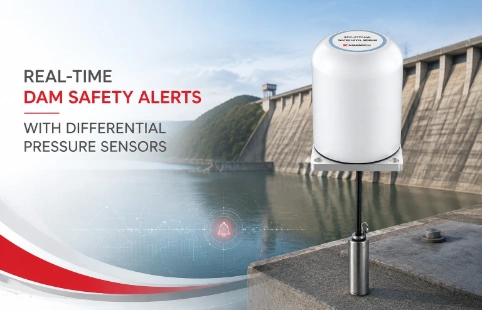
Real-Time Dam Safety Alerts with Differential Pressure Water Level Sensors
Key Takeaways An alert chain needs more than a sensor: define field in...

100kg Load Cell – When Accuracy Matters on the Job
A 100kg load cell is a practical choice for a lot of mid-range force measurement tasks. You see them in batching scales, material test rigs, and tension monitoring systems that don’t need extreme capacities. The trick is getting a sensor that holds its calibration over months of real use, especially in dusty workshops or outdoor installations. Kingmach, a manufacturer focused on geotechnical and monitoring instruments, has spent years adapting standard load cell designs to field conditions that are rarely ideal. Their 100kg units typically feature bonded foil strain gauge construction, with options for low-profile or S-beam shapes depending on how you mount them. What sets them apart isn’t one single spec—it’s the willingness to tweak cable lengths, output signals, and even metal alloys for a specific project. Engineers who’ve used off-the-shelf sensors that drift after a few hundred cycles usually notice the difference. In this article, we’ll go through the key technical points, explain where these 100kg sensors fit, and answer questions that come up when you’re trying to pick one for a new or replacement application.
Technical Detail
The 100kg load cell from Kingmach is built around a few consistent engineering choices. Most units use a strain gauge bridge with temperature compensation already baked in, so zero balance and sensitivity don’t wander when the environment changes. Standard output is 2.0 mV/V, which matches the majority of weight indicators and PLC modules on the market. A common pain point with medium-capacity sensors is side load sensitivity; the mechanical design here often includes built-in overload stops and flexible couplings to protect the sensing element from installation misalignment. For geotechnical monitoring, like measuring cable tension in a slope stabilization system or small-scale pile testing, the 100kg range hits a sweet spot—it’s sensitive enough to pick up subtle load changes but robust enough to survive weeks of continuous data logging. Kingmach’s manufacturing process allows specifying stainless steel instead of alloy steel when corrosion is a concern, or choosing a hermetically sealed version for high-humidity tunnels. Calibration certificates are traced to national standards. Since the company has a global distribution network, lead times for standard configurations tend to be reasonable, and technical support can answer rigging questions before you even place an order. Custom options include different thread sizes, built-in amplifiers for 4-20 mA or 0-10V output, and wireless connectivity if wired connections become a hassle on site. Rather than pushing a one-size-fits-all product, Kingmach seems to approach each inquiry by asking what kind of loading pattern and space constraints you’re dealing with. That usually saves time compared to reading generic datasheets.
News
Key Takeaways An alert chain needs more than a sensor: define field in...
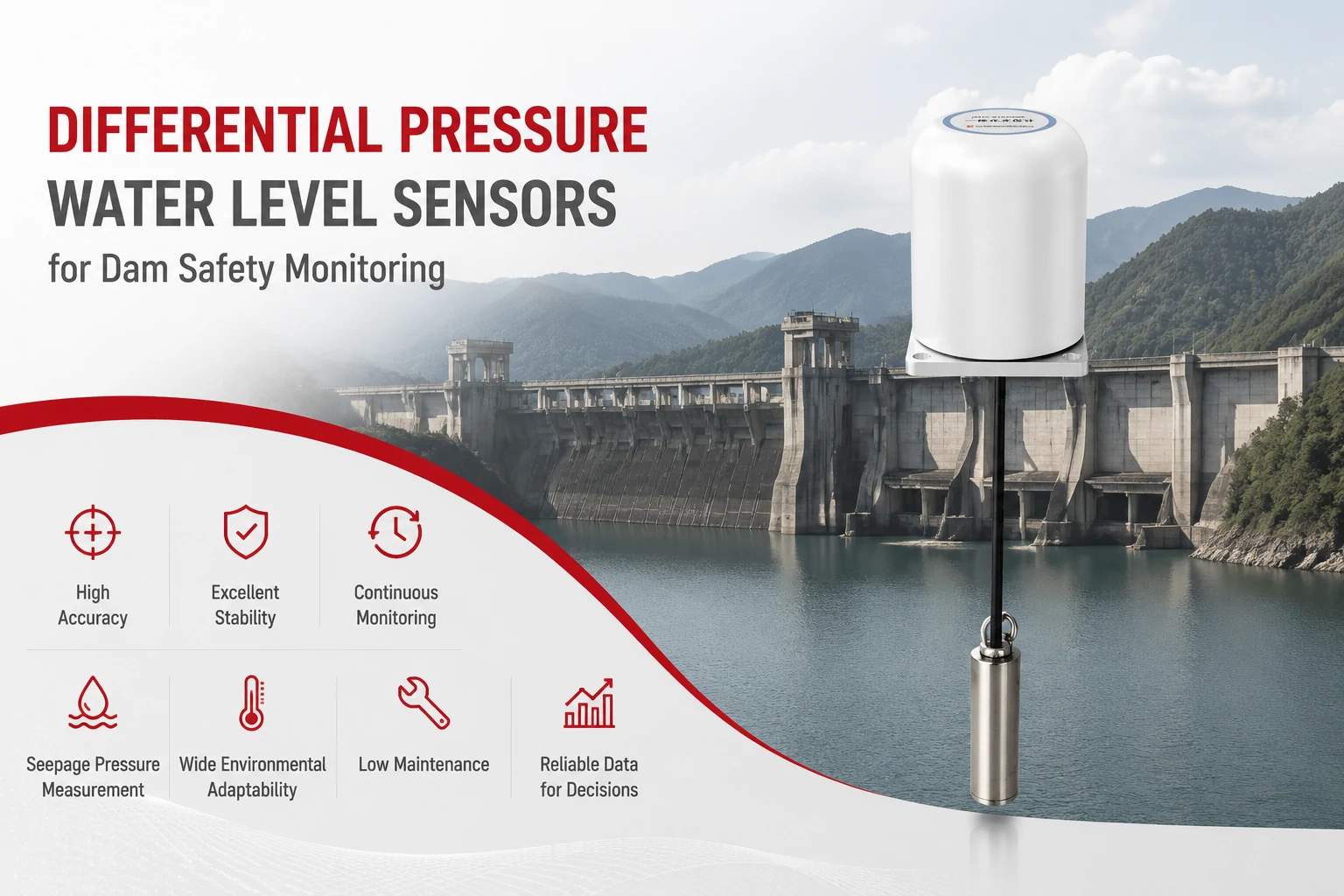
Key Takeaways The strongest fit is usually a confined, submerged, or s...
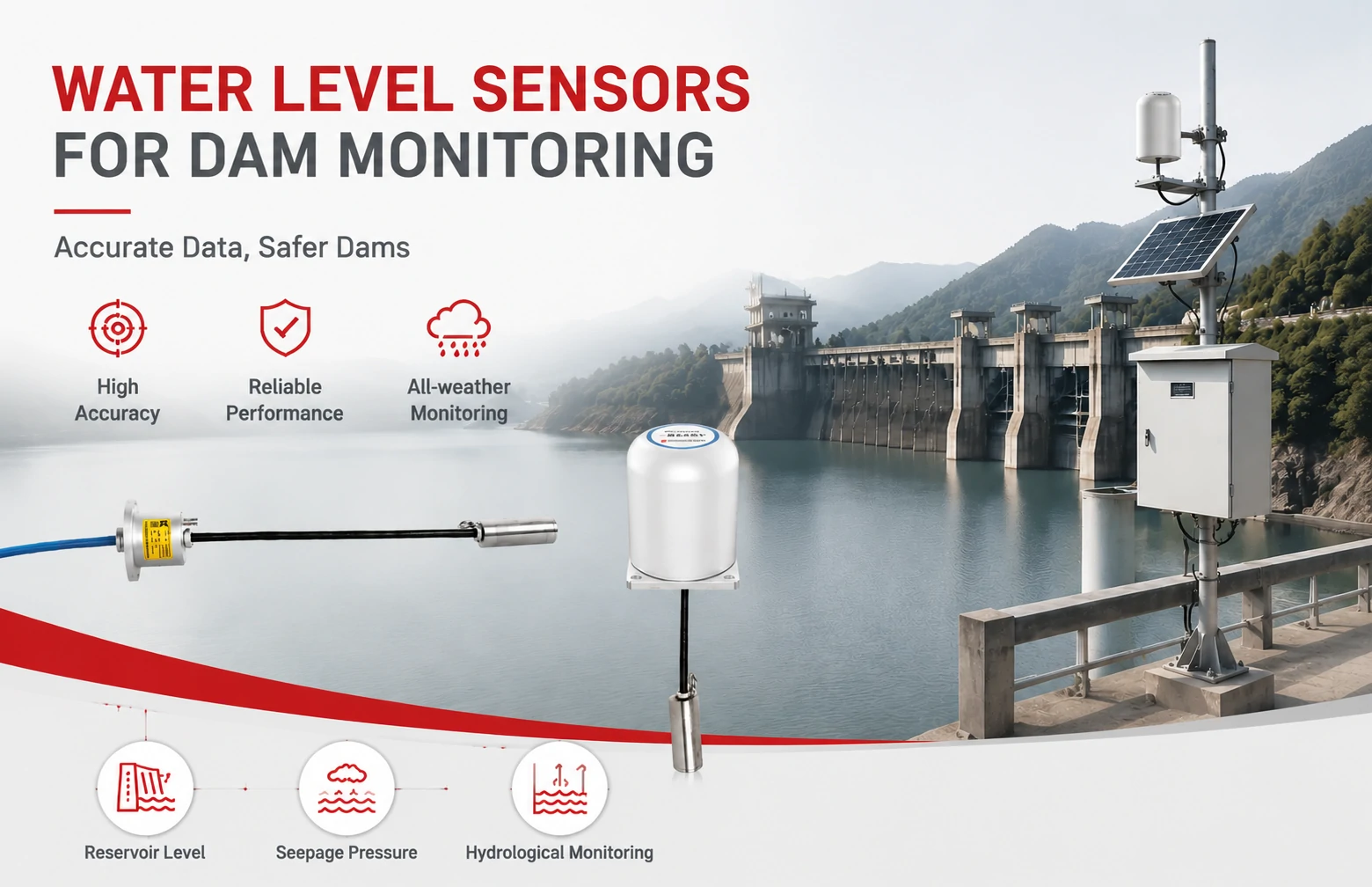
Kingmach Water Level Sensors for Dam Monitoring: A Buyer's Guide to Differential Pre...
Products
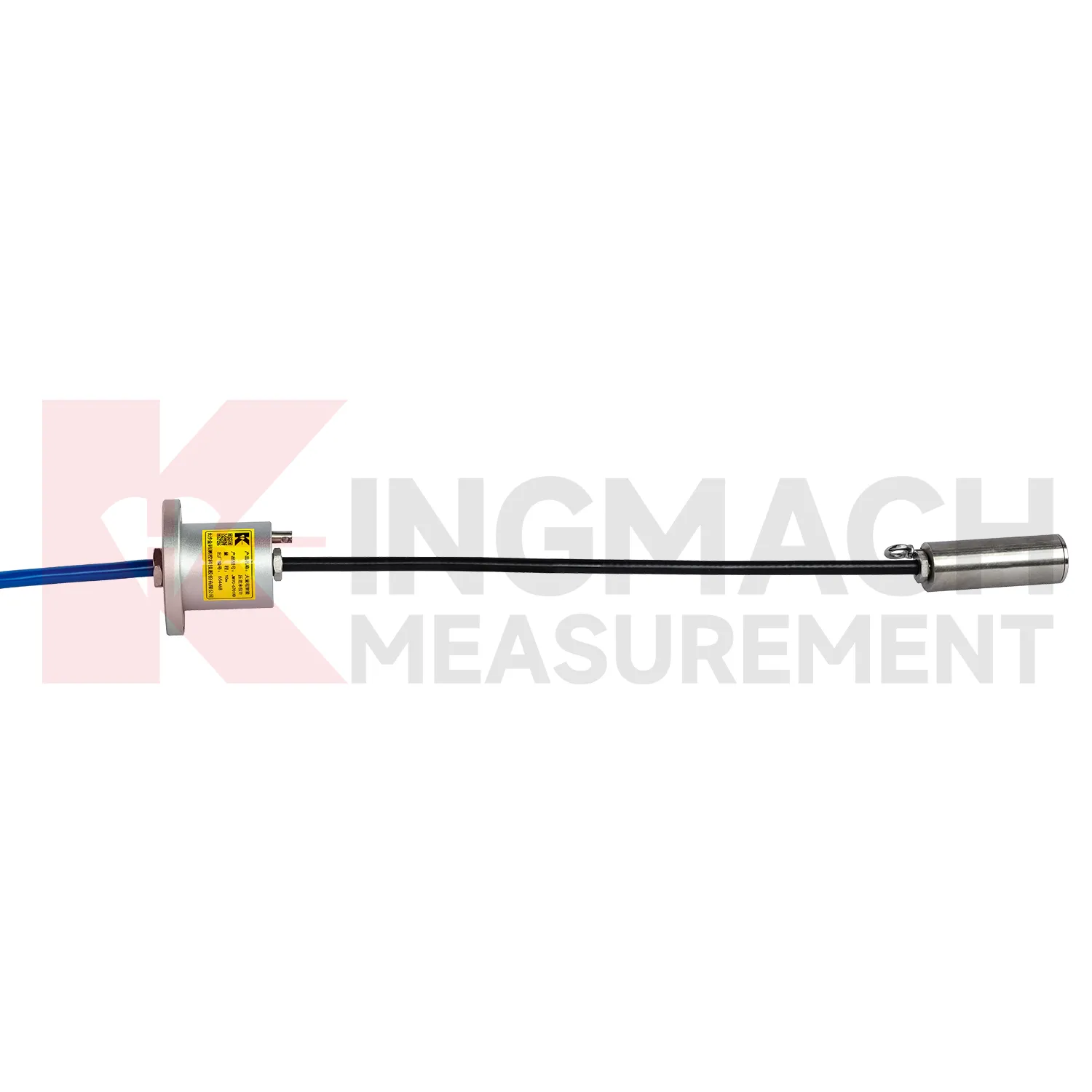
Wide-Range Smart Differential Pressure Water Level Meter JMYC-67XXAD
View Details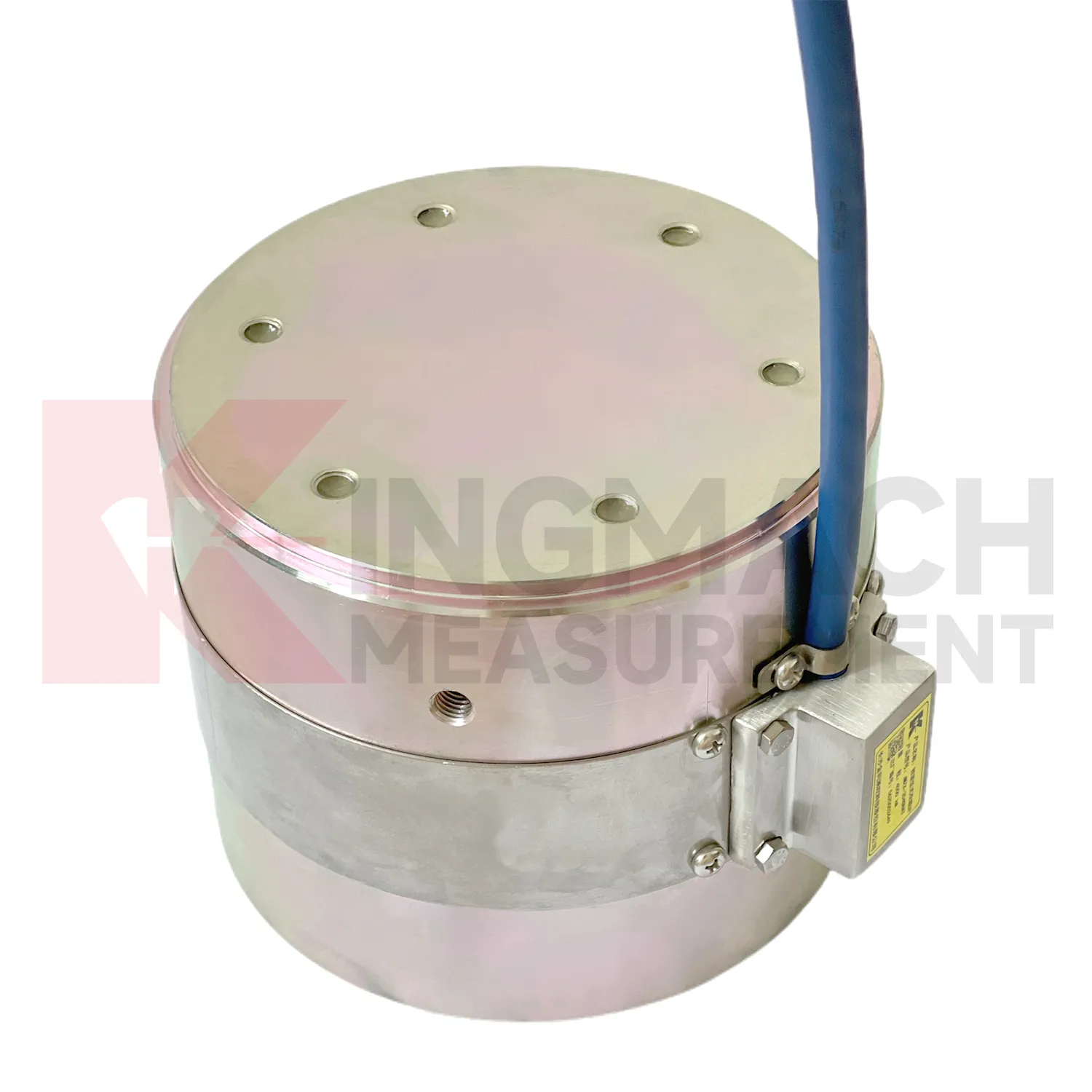
Solid load cell JMZX-34XXHAT、35XXHAT、36XXHAT
View Details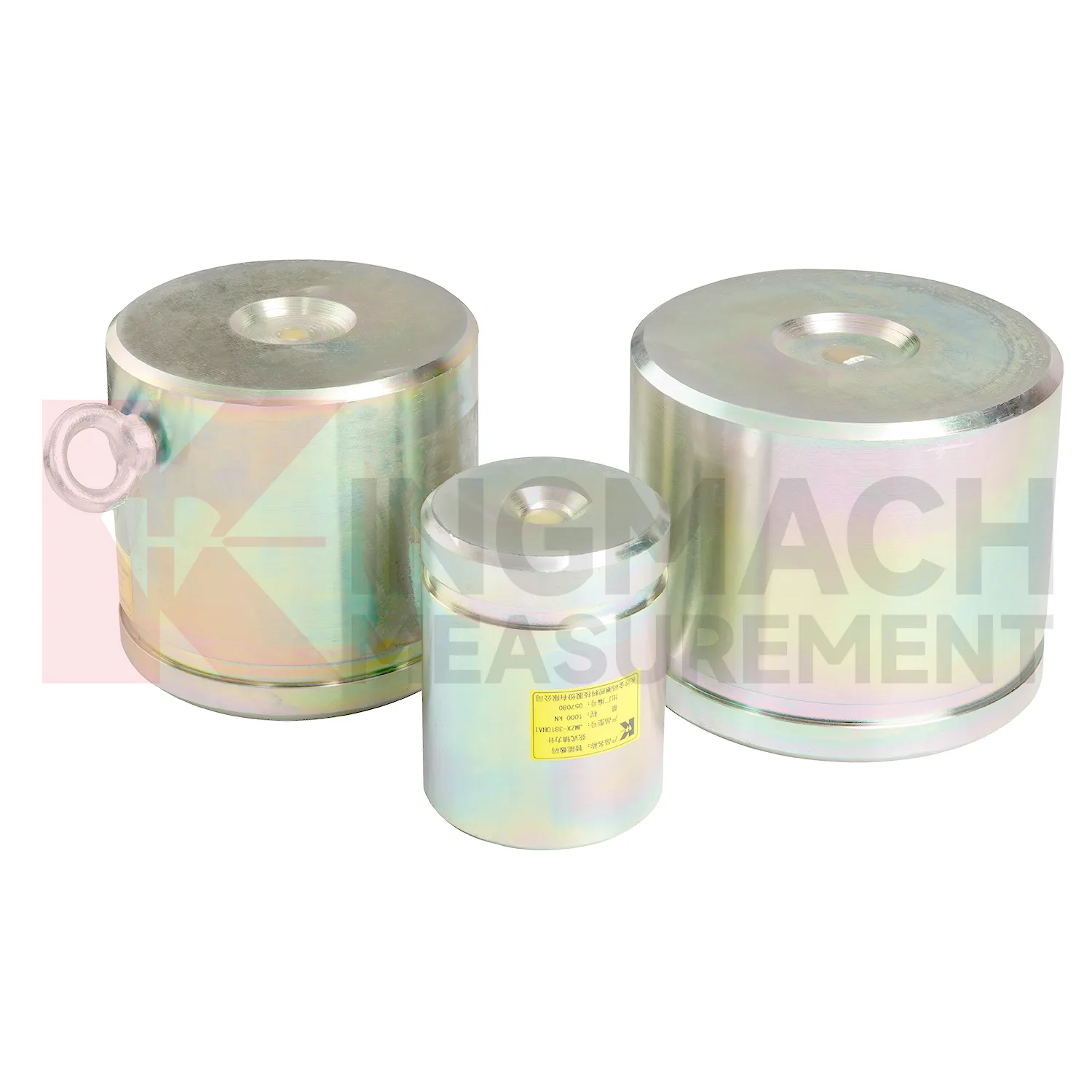
Axial Force Load Meter ( VW & Smart Type)JMZX-38XXHAT
View DetailsFAQ
Most quality units fall into the C3 accuracy class, meaning they maintain about 0.02% of rated output over the full scale. In practice this translates to a repeatability of ±20 grams or so, assuming proper installation and no extreme temperature swings. Kingmach provides calibration certificates with each sensor, so you can check the exact non-linearity and hysteresis figures for your specific unit. For applications that demand tighter tolerances, their technical team can sometimes sort higher-grade cells.
Yes, if you choose an S-beam or universal pancake style. Many 100kg sensors are bidirectional by design, but you need to check the data sheet—some single-point cells are compression-only. Kingmach offers both types. For tension measurements, make sure you use proper rod end bearings to keep the load axis straight; angular force can damage the cell and throw off readings quickly.
The standard output is millivolt (2.0 mV/V typically), which requires an external amplifier or weight indicator. If you prefer direct connection to a PLC or DAQ, Kingmach can integrate a signal conditioner to output 4-20 mA, 0-10V, or RS485 digital data. Wireless modules are also an option for field setups where wiring is impractical.
Start with a stainless steel body and a hermetically sealed version if the budget allows. IP67 or IP68 ratings are common for these. Avoid pressing the cable entry against a wall where water can pool, and use a breather drain if you’re submerging it. Kingmach’s engineers usually suggest adding a protective stainless steel bellows or rubber boot around the sensing section if the cell will be exposed to cement slurry or abrasive dust.
The biggest difference is application support and customization. Many generic suppliers sell a fixed specification list. Kingmach, being focused on geotechnical and monitoring work, often modifies mounting dimensions, cable lengths, or output protocols to match your test setup. They also keep a chain of calibration records that’s useful if your project needs to meet ISO or ASTM standards. This kind of flexibility usually means fewer modifications on your end.
Share your product type, target capacity, and application requirements. Our team can review the details and recommend a practical next step.
If you are interested in our products or want to become our partner.
Please leave your contact information, our team will contact you as soon as possible.
Mail: [email protected]
Contact Us: +8613808434127
Address: No. 188 Tongzipo West Rd, Changsha, Hunan, China