
 EN
EN
 ar
ar bg
bg hr
hr cs
cs da
da nl
nl fi
fi fr
fr de
de el
el hi
hi it
it ko
ko no
no pl
pl pt
pt ro
ro ru
ru es
es sv
sv tl
tl iw
iw id
id lv
lv lt
lt sr
sr sk
sk sl
sl uk
uk vi
vi et
et hu
hu th
th tr
tr fa
fa ms
ms hy
hy ka
ka ur
ur bn
bn mn
mn ta
ta kk
kk uz
uz ku
ku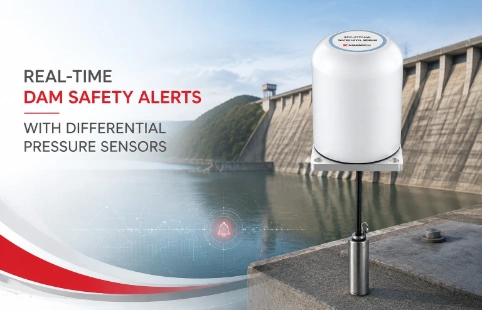
Real-Time Dam Safety Alerts with Differential Pressure Water Level Sensors
Key Takeaways An alert chain needs more than a sensor: define field in...

Laser Displacement Meter: Precision for Structural Health
In tunneling and slope monitoring, a few millimeters of movement can signal a developing problem. A laser displacement meter that delivers consistent readings under harsh conditions is not just helpful—it’s necessary. Kingmach’s laser displacement meters are built for these exact situations. We don’t rely on generic sensors; each unit is part of a measurement ecosystem developed from decades of geotechnical field work. The non-contact design means no physical targets are needed, reducing installation headaches. Whether you’re tracking convergence in a cavern or deformation in a dam, the device provides real-time data you can act on. And because every site is different, we offer customization on cable length, output protocol, and mounting brackets—avoiding the one-size-fits-all trap. This isn’t about selling a gadget; it’s about giving engineers a tool that integrates into their existing monitoring setup without extra fuss.
Technical Detail
Kingmach laser displacement meters use time-of-flight or phase-shift measurement principles, depending on the range requirement. The sensor head is built into an IP65-rated aluminum housing, so it holds up in tunnels and construction sites where dust and moisture are constant. Measurement ranges span from 0.1 meters up to 50 meters for long-distance applications, with typical accuracy better than ±1 mm at close range. Output options include 4-20 mA, RS485, and Modbus, so integration with existing data loggers or SCADA systems is straightforward. A visible laser spot makes alignment quick, and the built-in heating element prevents condensation on the lens in humid environments. Power consumption is low enough to support solar-powered remote stations. Each unit comes with a factory calibration certificate traceable to national standards, and we offer periodic recalibration services if your QA protocol requires it. Custom cable lengths up to 100 meters are available. For mining convergence measurement, our models can be paired with reflective targets or natural surfaces, and the software applies moving average filtering to reduce noise from dust or vibration. Installation is simple: a stainless steel bracket and two bolts are all you need. Technical support is available in English and Spanish via phone or remote desktop during project commissioning.
News
Key Takeaways An alert chain needs more than a sensor: define field in...
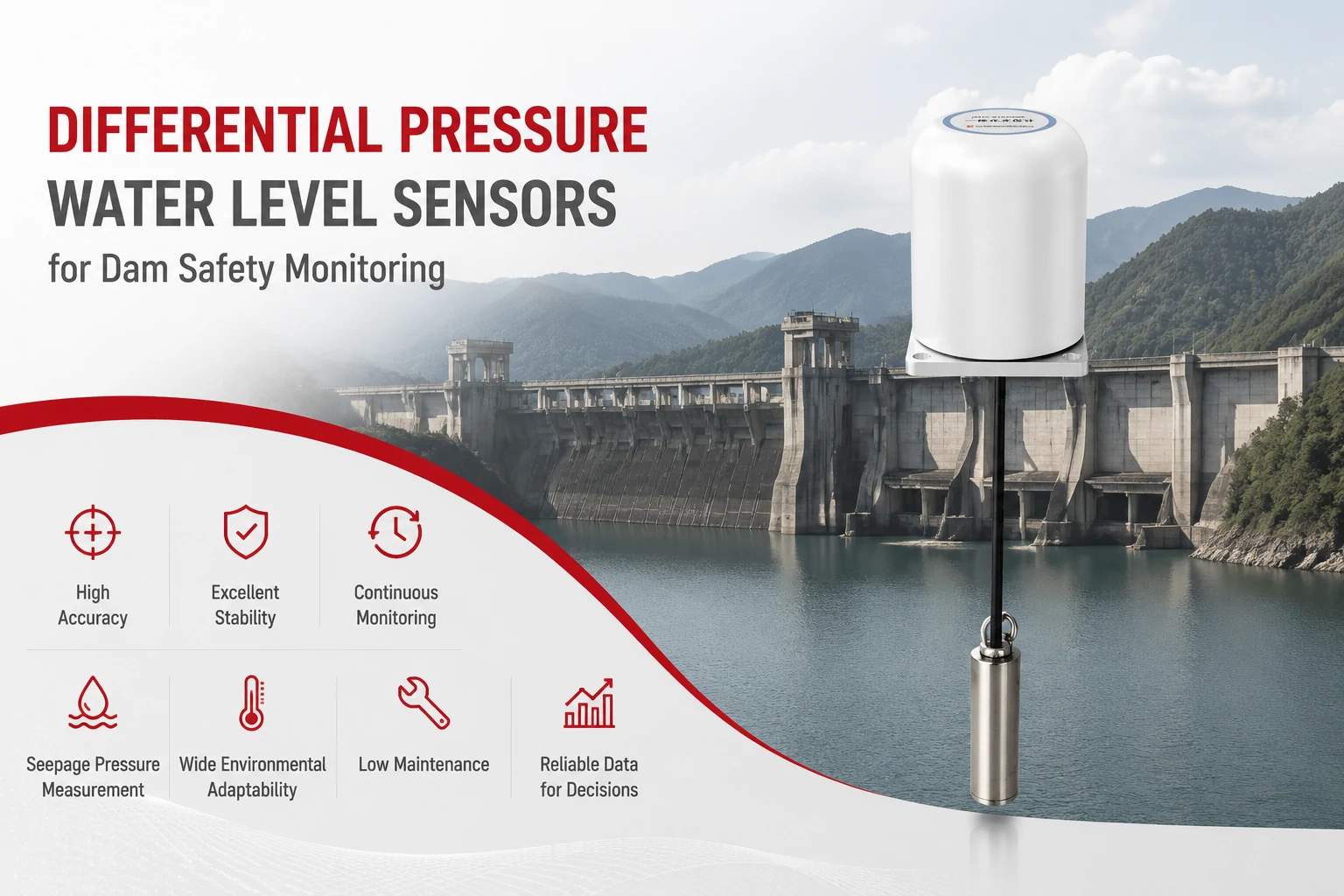
Key Takeaways The strongest fit is usually a confined, submerged, or s...
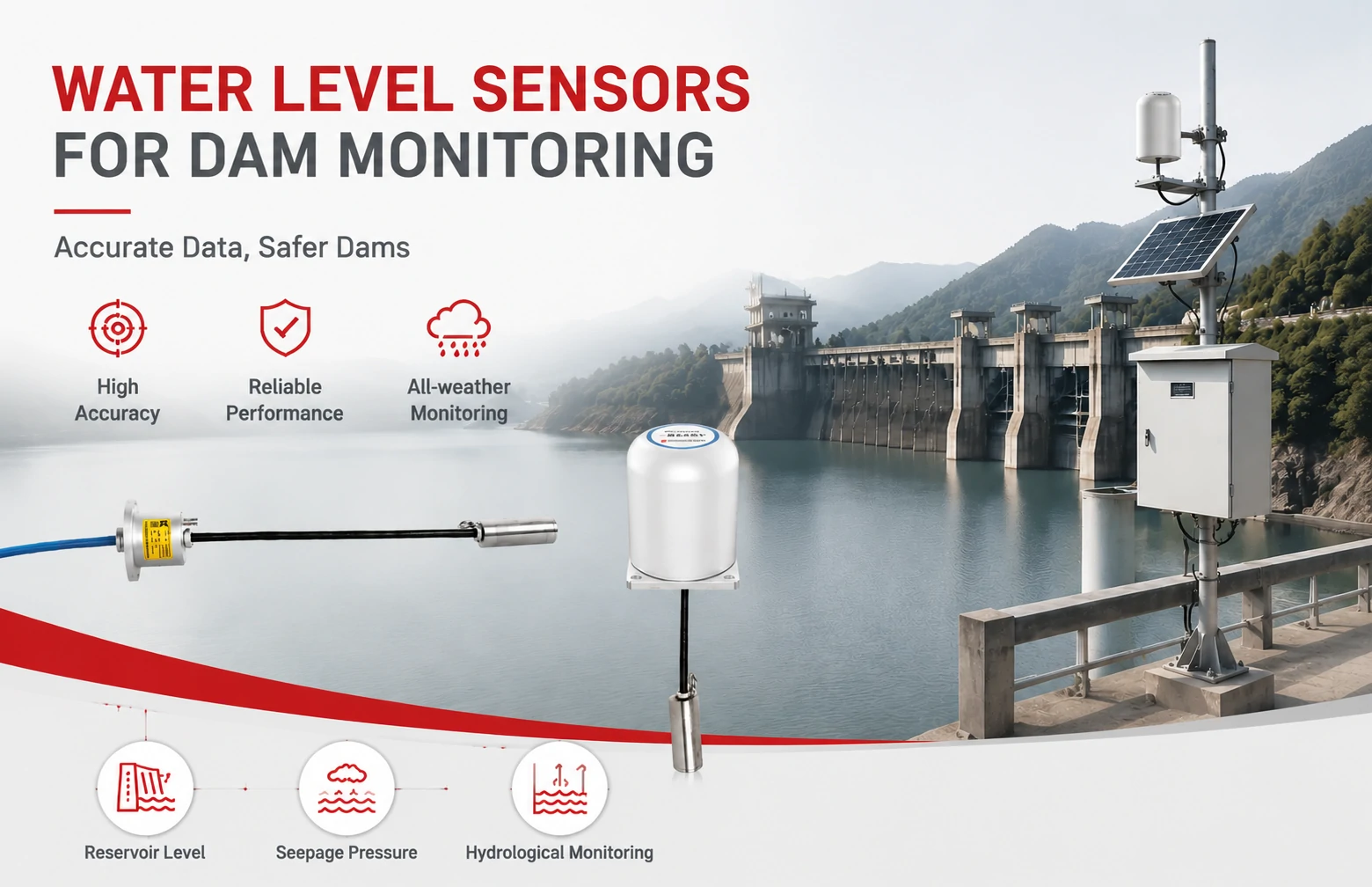
Kingmach Water Level Sensors for Dam Monitoring: A Buyer's Guide to Differential Pre...
Products
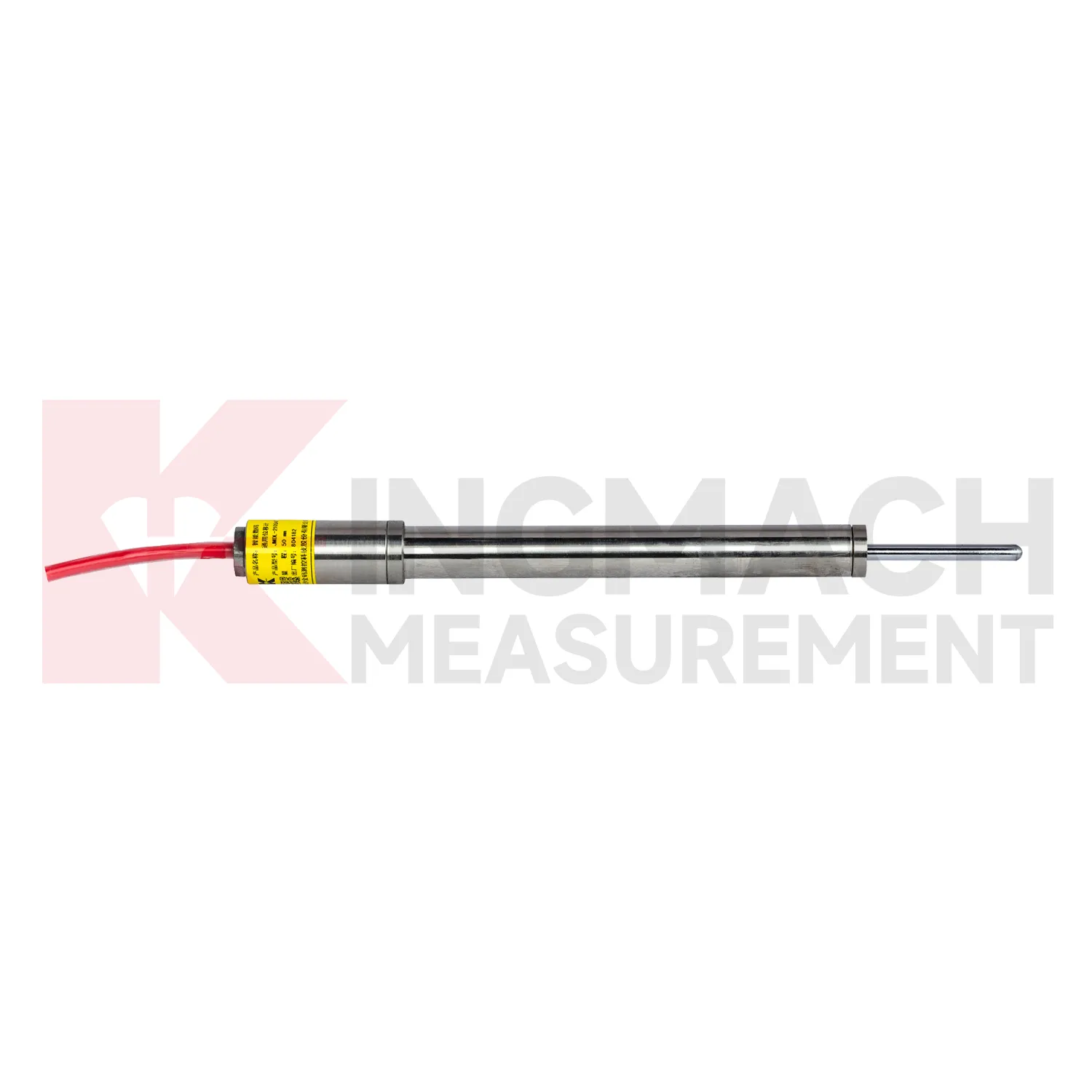
Smart General-Purpose Displacement MeterJMDL-21XXAT
View Details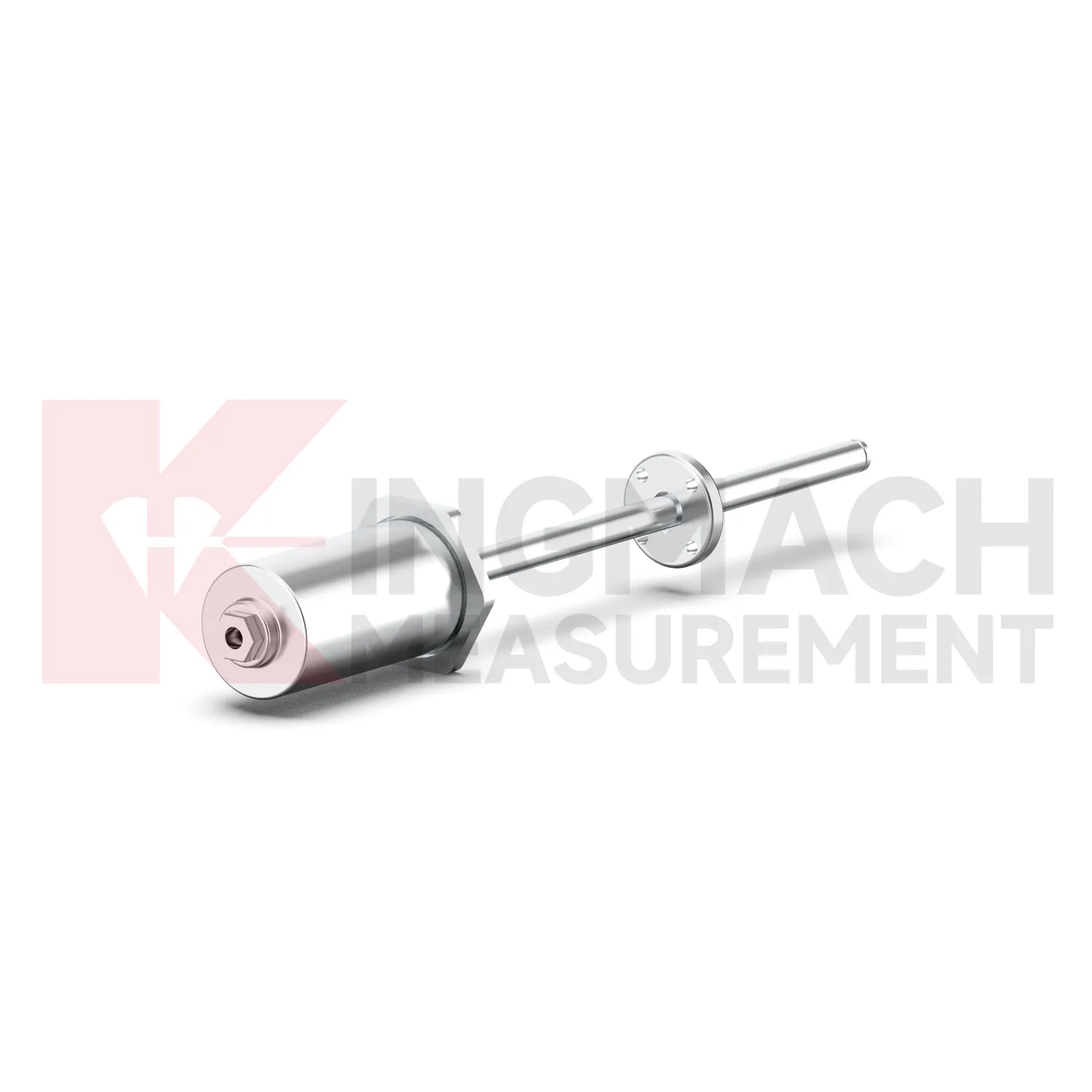
Magnetostrictive Displacement Meter JMCW-21XXADT
View Details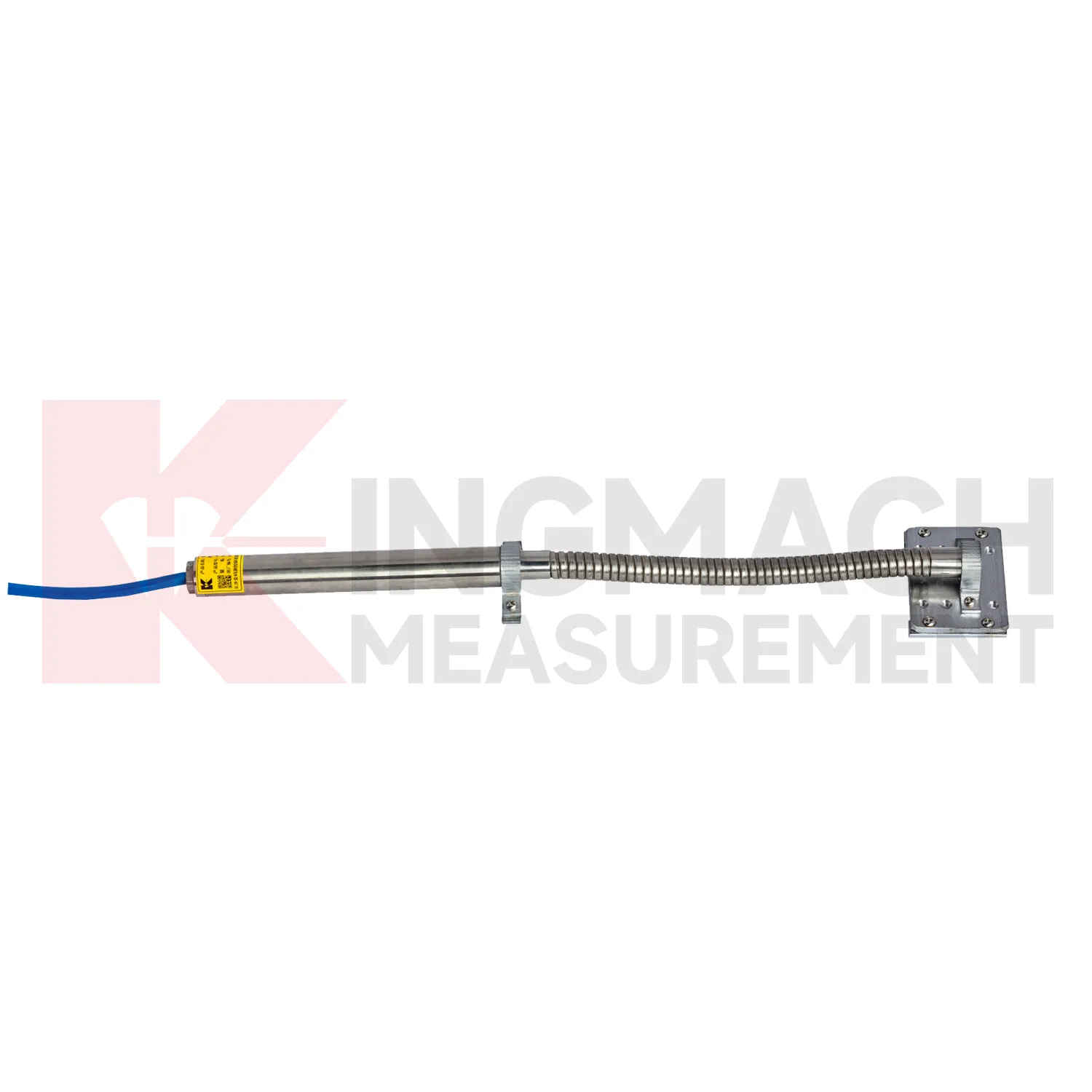
Smart Flexible Displacement Meter JMDL-24XXAT
View DetailsFAQ
Laser meters have a clear advantage when you need to cover longer distances without physical contact. LVDTs and draw-wire sensors are fine for sub-meter ranges, but in a tunnel, you might need to measure across a 10-meter span. Lasers also avoid the mechanical wear that affects draw-wire systems over time. On the other hand, if the target surface is very shiny or transparent, a laser may need a reflector—something to consider during site selection.
A dark surface can reduce the sensor's range because less light reflects back. On uneven surfaces, the laser spot averages the distance over the illuminated area, which is generally fine if you're monitoring slow deformation. In these cases, we often suggest adding a small reflective target or painting a light-colored stripe to improve signal return. Our technical team can help you assess the surface before you buy.
Standard outputs are 4-20 mA current loop and RS485 with Modbus RTU. We can also supply SDI-12 for environmental monitoring networks. Protocol documents are supplied with every sensor, and we can email you a copy in advance for system integration planning. If your logger uses a different protocol, let us know—custom firmware is sometimes possible for volume orders.
For qualified projects, we do offer a loan unit for a 30-day trial. It’s a fully calibrated sensor, not a demo version. Lead time for standard models is about 2-3 weeks. Custom cable lengths or output modifications might extend that to 4 weeks. We ship globally, and our logistics team will handle the customs paperwork.
Drift is minimal—typically less than 0.1 mm per year under normal conditions. We attribute this to the robust optical design and internal temperature compensation. There’s no practical field calibration procedure because it requires a traceable reference rail. We recommend returning the sensor to our lab every 2-3 years for recalibration, or we can provide a field check fixture if your site has a known reference distance. Each return includes a new certificate and a health report on the laser diode.
Share your product type, target capacity, and application requirements. Our team can review the details and recommend a practical next step.
If you are interested in our products or want to become our partner.
Please leave your contact information, our team will contact you as soon as possible.
Mail: [email protected]
Contact Us: +8613808434127
Address: No. 188 Tongzipo West Rd, Changsha, Hunan, China