
 EN
EN
 ar
ar bg
bg hr
hr cs
cs da
da nl
nl fi
fi fr
fr de
de el
el hi
hi it
it ko
ko no
no pl
pl pt
pt ro
ro ru
ru es
es sv
sv tl
tl iw
iw id
id lv
lv lt
lt sr
sr sk
sk sl
sl uk
uk vi
vi et
et hu
hu th
th tr
tr fa
fa ms
ms hy
hy ka
ka ur
ur bn
bn mn
mn ta
ta kk
kk uz
uz ku
ku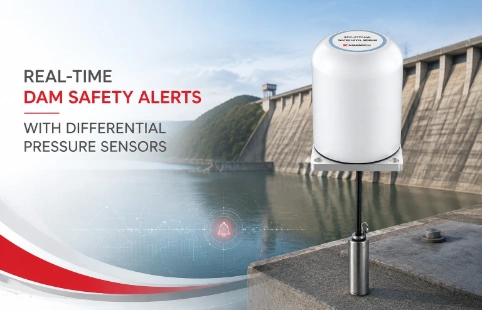
Real-Time Dam Safety Alerts with Differential Pressure Water Level Sensors
Key Takeaways An alert chain needs more than a sensor: define field in...

Inductive Displacement Sensors That Work Where Others Fail
Displacement measurement may seem simple, but maintaining long-term stability on a slope, tunnel or dam is not. Humidity, temperature difference, electromagnetic interference, any one of them may make the data of ordinary sensors unusable. Inductive displacement sensors work on the principle of electromagnetic induction, have no physical contact and wear, and are inherently resistant to pollution. Kingmach has accumulated many cases In geotechnical monitoring in recent years. From sensor selection to on-site installation, we have a better understanding of what kind of probe can withstand real working conditions. Customizing the measuring range, output signal, and protection level are all commonplace, but we will also adjust the details according to the actual needs of the project, rather than issuing a manual for you to figure out on your own.
Technical Detail
Inductive displacement sensors detect displacement through changes in coil impedance and have no sliding contacts, so there is no wear problem. It is commonly used in engineering scenarios such as crack monitoring, structural joint displacement, and tunnel convergence. The output signal is stable and the anti-interference ability is much better than the potentiometer type. The sensor housing provided by Kingmach can achieve IP68 sealing, and the cable joint position has also been strengthened. The data will not drift after being soaked in water for two or three months. The measuring range usually ranges from a few millimeters to tens of millimeters, and even larger displacements are generally covered by pull-wire sensors. When we make solutions for customers, we do not just recommend one model, but consider factors such as on-site cabling, collector interfaces, and long-term maintenance. The price is mid-range, cheaper than imported first-tier brands, but much more expensive than the 300 to 500 yuan sensors on Taobao. The advantage is that each sensor comes with a traceable calibration certificate from the factory, instead of just affixing a certificate of compliance. It takes about one to two weeks for overseas customers to ship to Southeast Asia or South America through the logistics channels we cooperate with, provided that the warehouse has the goods in stock. Customized orders require advance communication and the delivery time will be longer. The technical support team can remotely help debug the collection parameters, saving on-site engineers the time of repeated trial and error.
News
Key Takeaways An alert chain needs more than a sensor: define field in...
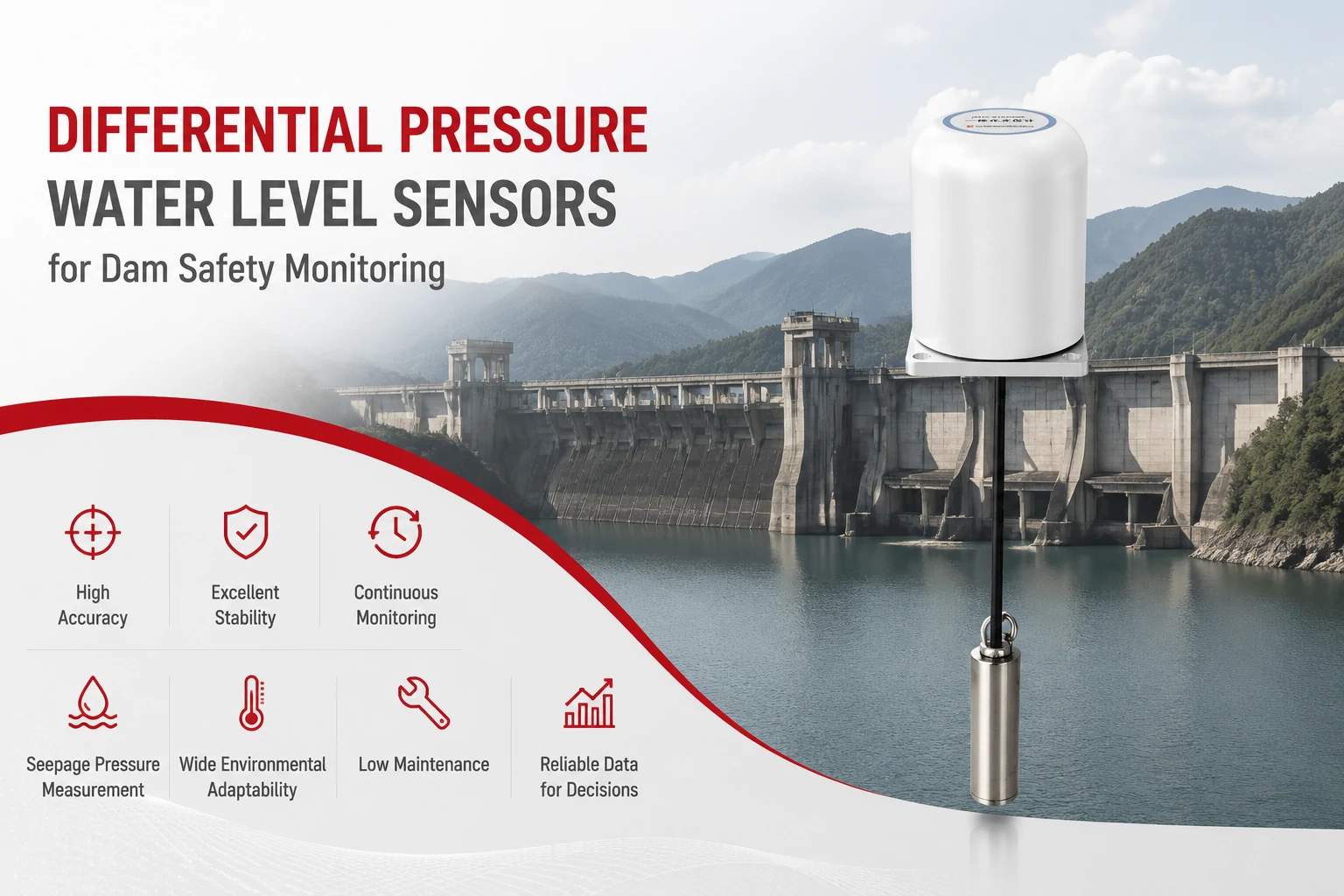
Key Takeaways The strongest fit is usually a confined, submerged, or s...
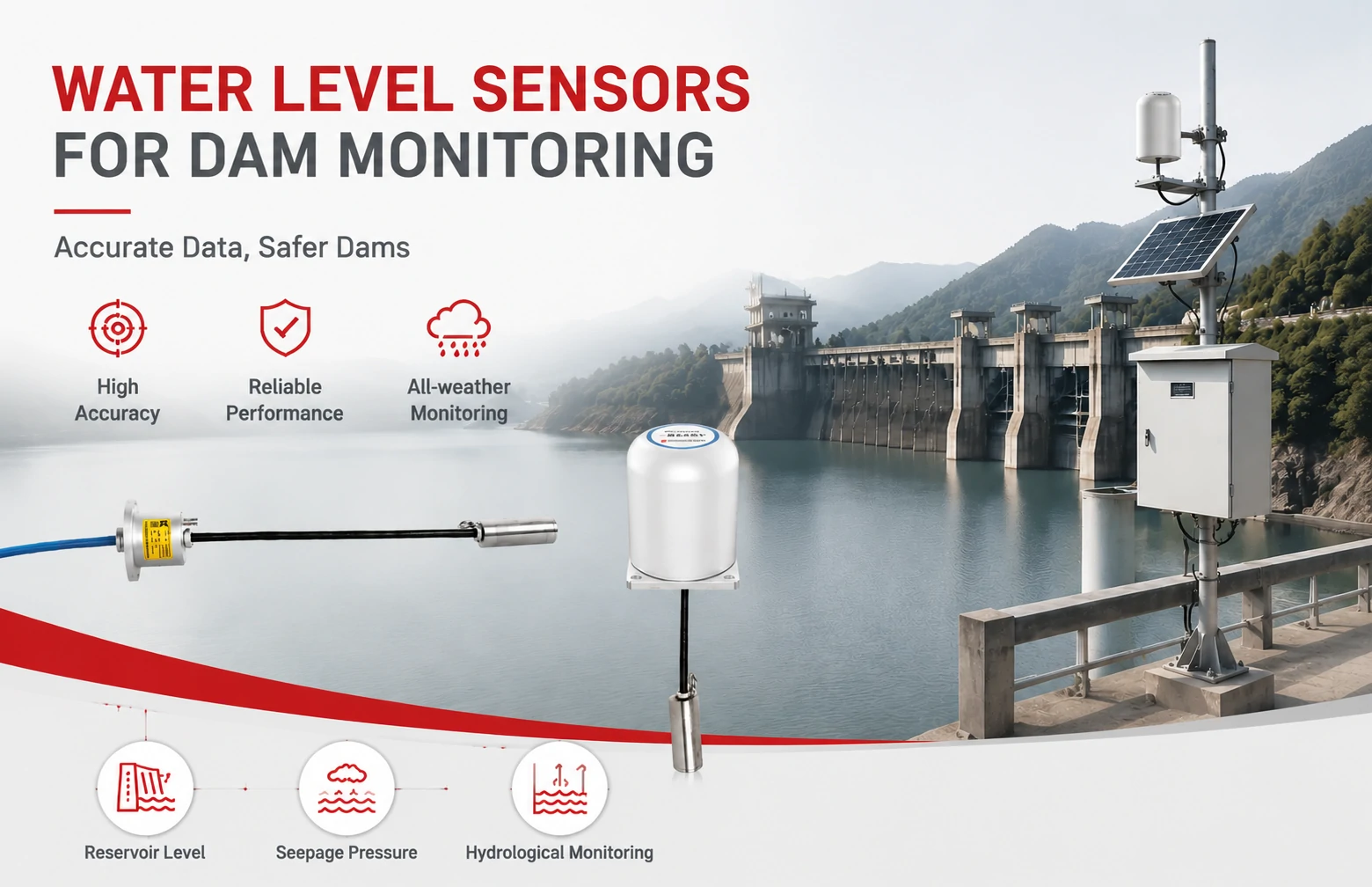
Kingmach Water Level Sensors for Dam Monitoring: A Buyer's Guide to Differential Pre...
Products
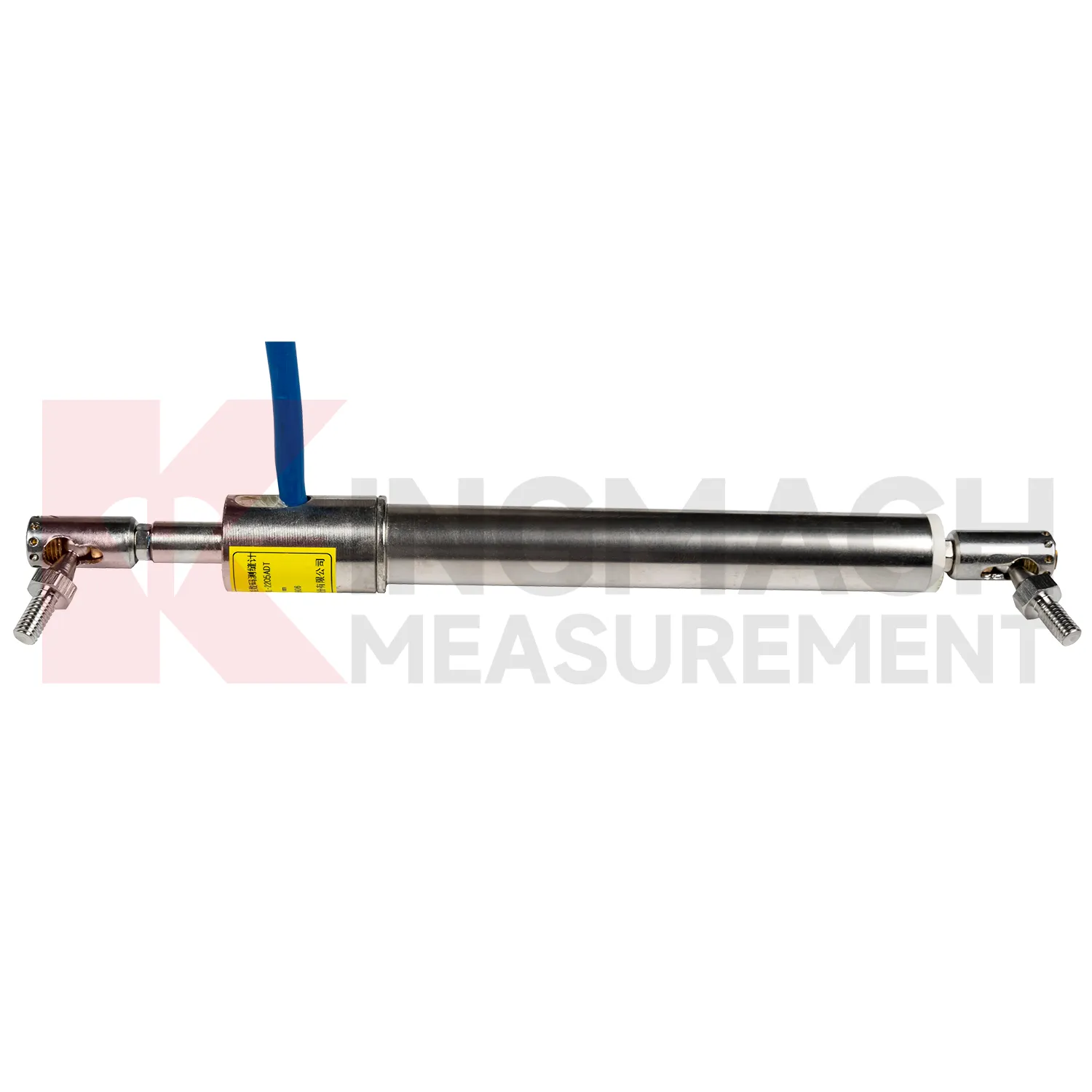
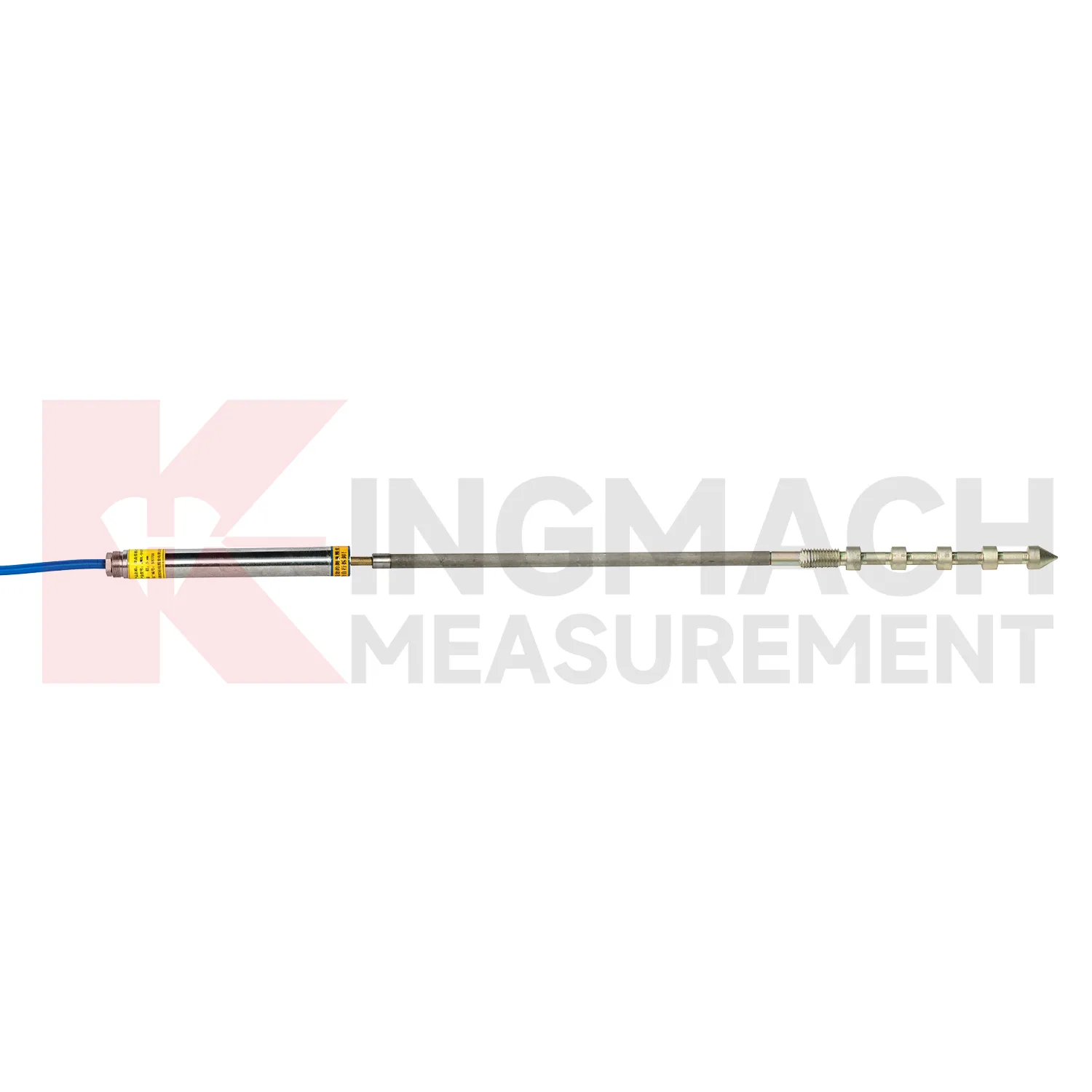
Smart Single-Point Bedrock Displacement Meter JMDL-32XXAT
View Details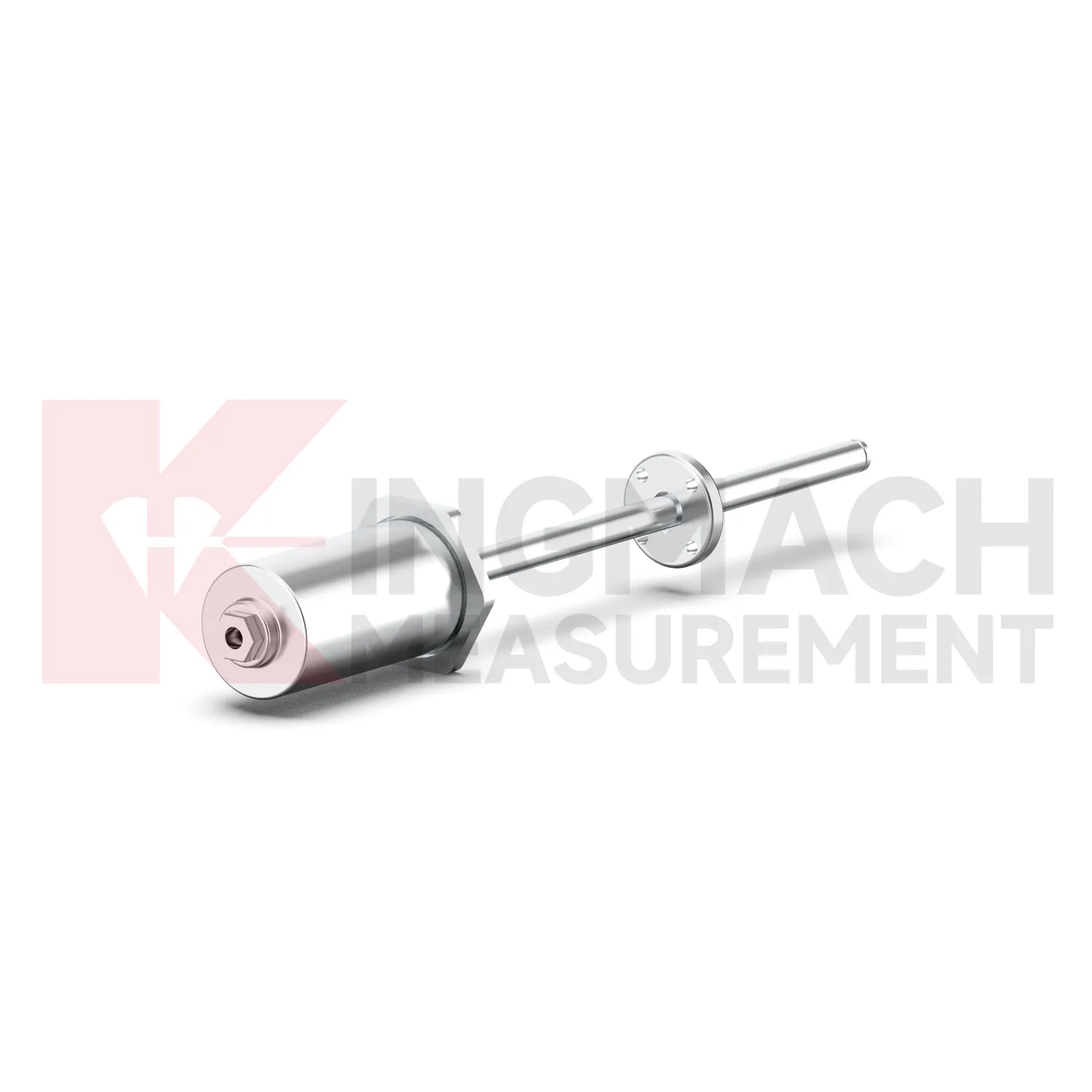
Magnetostrictive Displacement Meter JMCW-21XXADT
View DetailsFAQ
LVDT also has an inductive principle, but its internal structure is more complex. It is usually used in laboratories or scenes that require extremely high precision, and the cost is higher. Ordinary inductive displacement sensors are sufficient for engineering monitoring, are more cost-effective, and are more easily packaged to be waterproof and vibration-resistant.
This depends on the range of displacement changes you monitor. The general experience is that it is safer to use 1.5 to 2 times the estimated maximum displacement as the upper limit of the measuring range. If you are not sure, we can give you a suggestion based on the type of project and geological conditions. For many projects, a 10mm or 25mm measuring range is enough.
Our sensors are equipped with IP68 protection as standard, and the cable outlet uses double sealing rings. As long as the wire sheath is not scratched during installation, soaking in water for half a year is normal. The most important thing in the tunnel is that the installation bracket must be rust-proof, and the sensor itself is fine.
Yes. The output signal is usually 4-20mA or 0-10V. The cable length can be from two meters to dozens of meters. However, the longer it is, the higher the cost, and it is recommended to use current signals for long-term transmission. Customized solutions must first check what your data acquisition equipment is compatible with.
First communicate with us technically. Most of the time it is a cable or connector problem. We can guide you to replace it yourself. If it is confirmed that the sensor itself is faulty, we will directly replace it with a new one within the warranty period. If it is out of warranty, it can be repaired and the cost will be quoted according to the actual situation. There are cooperative after-sales points at home and abroad, and the response speed is not bad.
Share your product type, target capacity, and application requirements. Our team can review the details and recommend a practical next step.
If you are interested in our products or want to become our partner.
Please leave your contact information, our team will contact you as soon as possible.
Mail: [email protected]
Contact Us: +8613808434127
Address: No. 188 Tongzipo West Rd, Changsha, Hunan, China