
 EN
EN
 ar
ar bg
bg hr
hr cs
cs da
da nl
nl fi
fi fr
fr de
de el
el hi
hi it
it ko
ko no
no pl
pl pt
pt ro
ro ru
ru es
es sv
sv tl
tl iw
iw id
id lv
lv lt
lt sr
sr sk
sk sl
sl uk
uk vi
vi et
et hu
hu th
th tr
tr fa
fa ms
ms hy
hy ka
ka ur
ur bn
bn mn
mn ta
ta kk
kk uz
uz ku
ku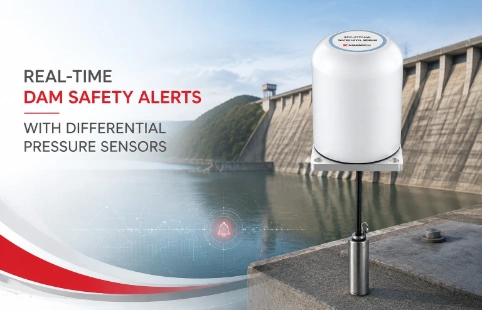
Real-Time Dam Safety Alerts with Differential Pressure Water Level Sensors
Key Takeaways An alert chain needs more than a sensor: define field in...

Accelerometer Cable That Survives the Real World
An accelerometer is only as good as the cable linking it to your logger. Most projects lose more data to connector corrosion and cable noise than they do to sensor drift. At Kingmach, we see this a lot in geotechnical monitoring – cables routed through wet trenches, kinked around rebar, trampled on busy sites. That led us to offer our own accelerometer cables designed specifically for these conditions. We are not a cable factory; we are a monitoring system integrator that got tired of replacing stock cables every few months. Our cables use heavy-duty polyurethane jackets, high-flex copper conductors, and IP68-rated molded connectors. Whether you are wiring a single triaxial accelerometer on a bridge pier or daisy-chaining dozens of sensors across a tailings dam, we build each assembly to your length and pinout, test it, and get it to you fast.
Technical Detail
The accelerometer cables we supply at Kingmach are built around two things that matter most in field monitoring: signal integrity and physical durability. Standard ribbon cables pick up electrical noise from nearby equipment, and PVC jackets crack in cold weather. Our assemblies use individually shielded, twisted-pair conductors to keep the signal clean even when routed alongside power lines. The jacket is a matte-black polyurethane that stays flexible down to -40°C and resists cuts, diesel, and UV degradation. Connector options include military-spec MIL-C-5015, MS-style, or simple pigtail terminations, all molded with a single-piece strain relief boot that passes a pull test of over 200 N. Because every project pinout is different – some accelerometers need a 4-wire ICP® connection, others a 6-wire differential charge output – we do not sell off-the-shelf cables. You tell us the sensor model, the distance between the transducer and the junction box, and any site-specific constraints (like conduit size or chemical exposure). We then select the right conductor gauge, shielding, and jacket compound, assemble the cable, and pressure-test every connector. We also include a traceable test report with each order. On the support side, our engineers can help you troubleshoot grounding loops or recommend cable routing to minimize triboelectric noise if you are doing low-frequency structural monitoring.
News
Key Takeaways An alert chain needs more than a sensor: define field in...
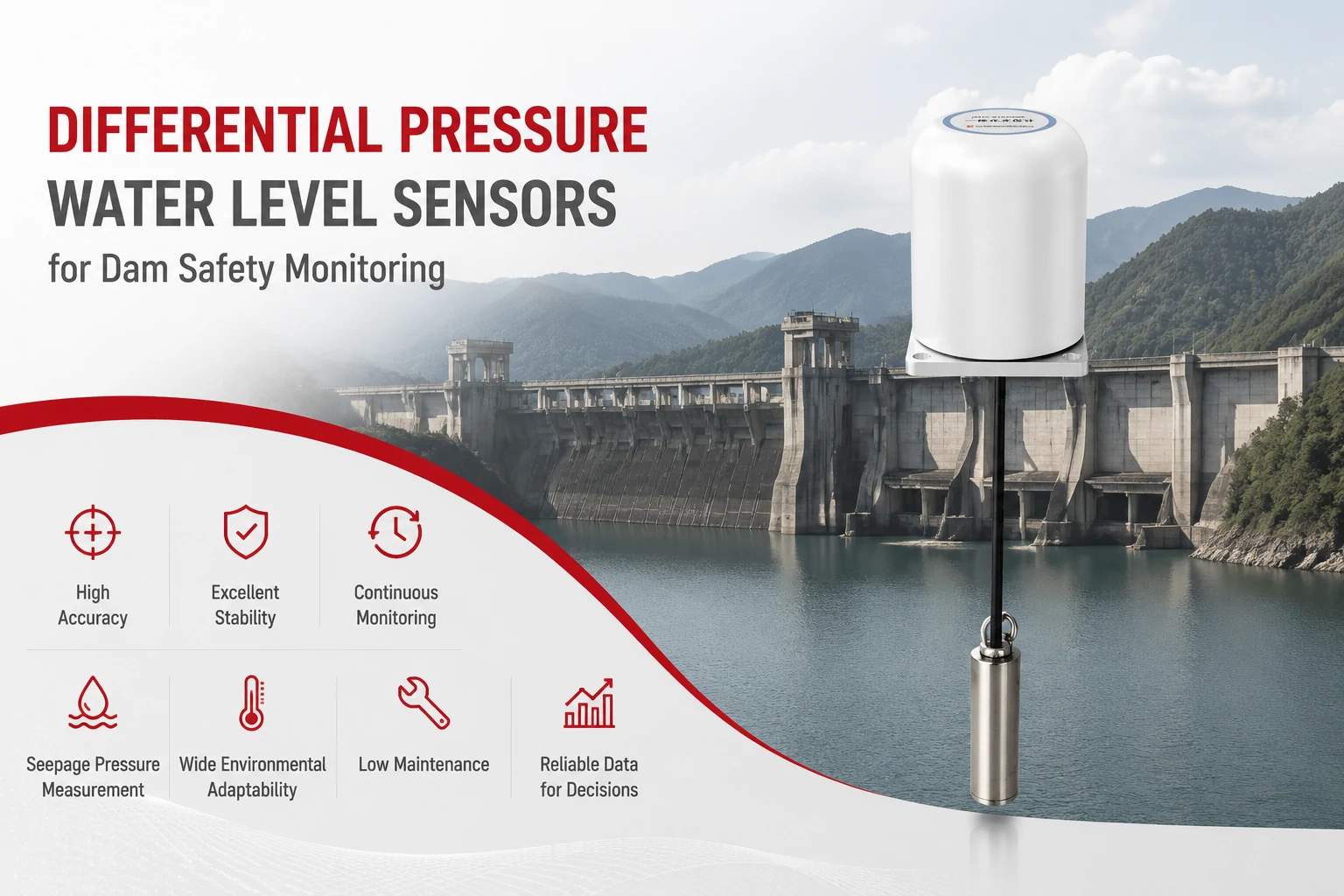
Key Takeaways The strongest fit is usually a confined, submerged, or s...
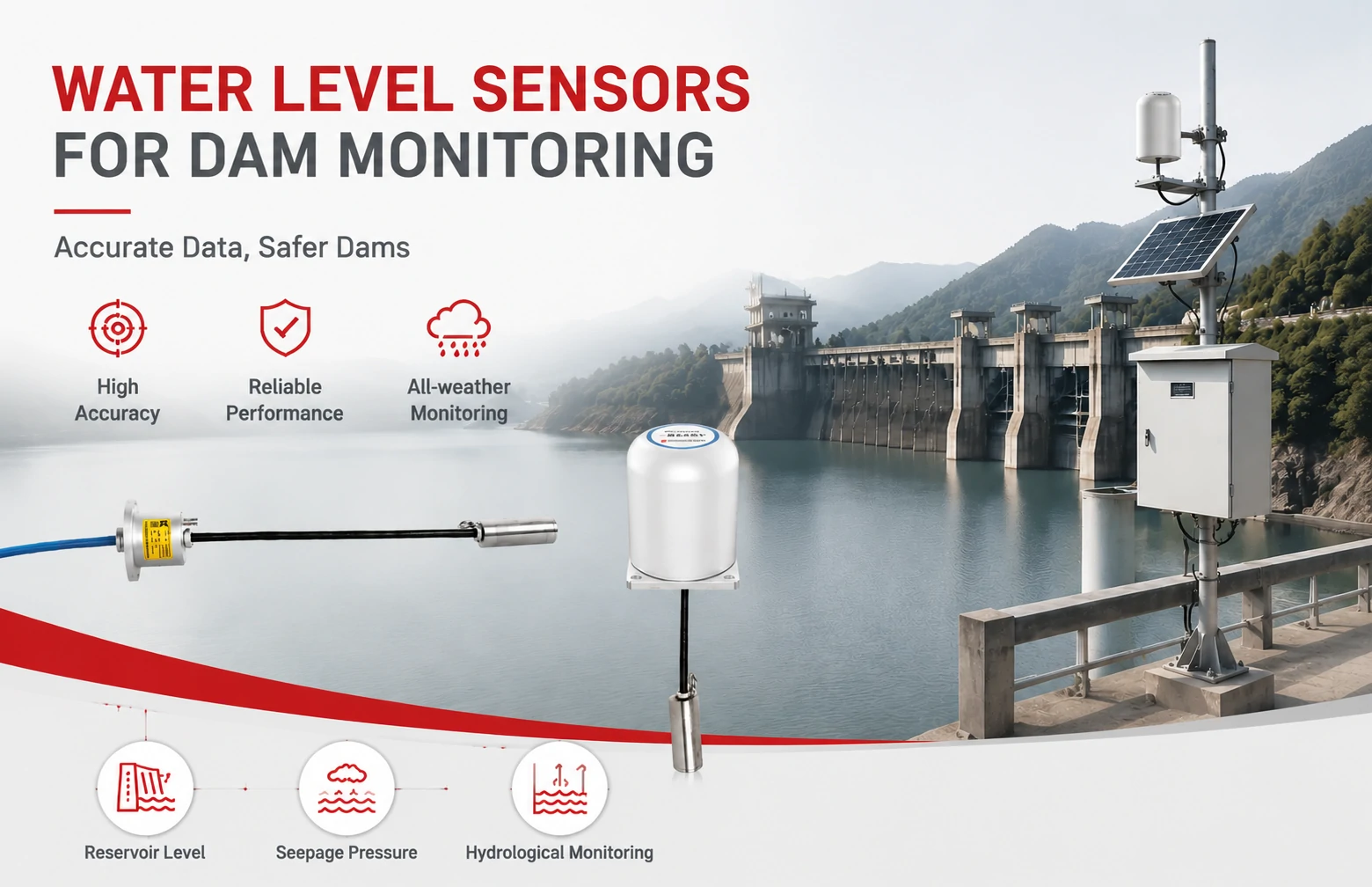
Kingmach Water Level Sensors for Dam Monitoring: A Buyer's Guide to Differential Pre...
Products
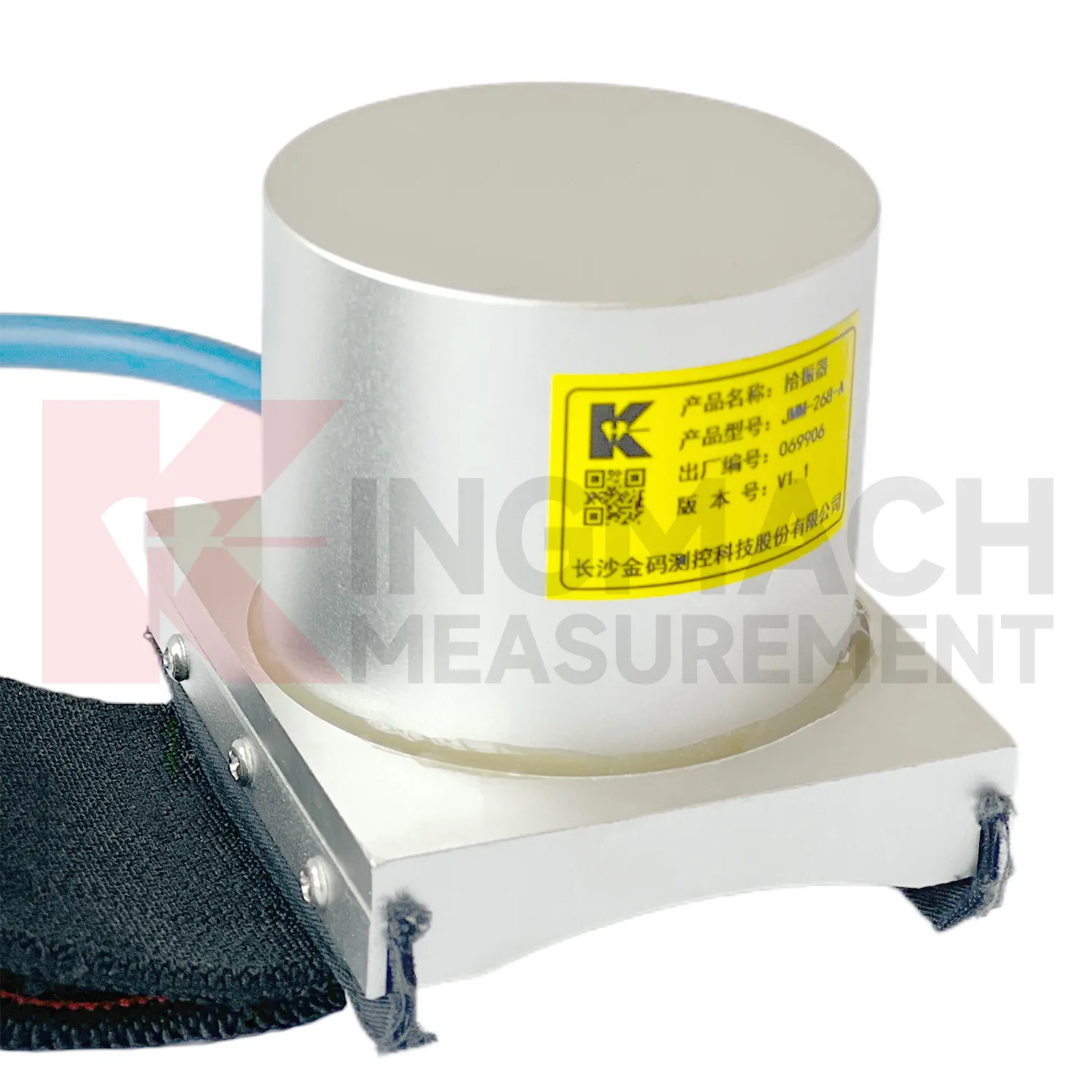
FAQ
Typical configuration is a twisted, shielded pair with an overall braid and foil layer. We can also do double-shielded or triaxial shielding for charge-mode accelerometers in very noisy environments. The exact construction is noted on the order drawing we send for your approval.
Yes, we offer polyurethane-jacketed cables with molded connectors rated to IP68. For depths beyond 10 meters, we recommend a vented jacket or pressure-compensated connector to prevent water ingress along the conductors. We have supplied cables for dam monitoring and offshore platform vibration measurement.
The easiest way is to send us the sensor datasheet or a photo of the connector face. We also maintain a library of common pinouts from major accelerometer manufacturers. If you have a custom wiring scheme, just note it on a sketch and we will match it.
For standard polyurethane cable with MIL-C-5015 connectors, we usually ship within 2 weeks. If you need something unusual, like ETFE insulation for high-temperature use or an armored cable with spiral steel conduit, budget 3–4 weeks.
Yes, we can cut off a damaged connector and mold a new one onto your existing cable, as long as the jacket and conductors are intact. You just need to ship us the cable end or a short sample, and we will match the materials and process. This can save a lot of time compared to pulling a new cable in a conduit.
Share your product type, target capacity, and application requirements. Our team can review the details and recommend a practical next step.
If you are interested in our products or want to become our partner.
Please leave your contact information, our team will contact you as soon as possible.
Mail: [email protected]
Contact Us: +8613808434127
Address: No. 188 Tongzipo West Rd, Changsha, Hunan, China