
 EN
EN
 ar
ar bg
bg hr
hr cs
cs da
da nl
nl fi
fi fr
fr de
de el
el hi
hi it
it ko
ko no
no pl
pl pt
pt ro
ro ru
ru es
es sv
sv tl
tl iw
iw id
id lv
lv lt
lt sr
sr sk
sk sl
sl uk
uk vi
vi et
et hu
hu th
th tr
tr fa
fa ms
ms hy
hy ka
ka ur
ur bn
bn mn
mn ta
ta kk
kk uz
uz ku
ku
temperature acquisition module
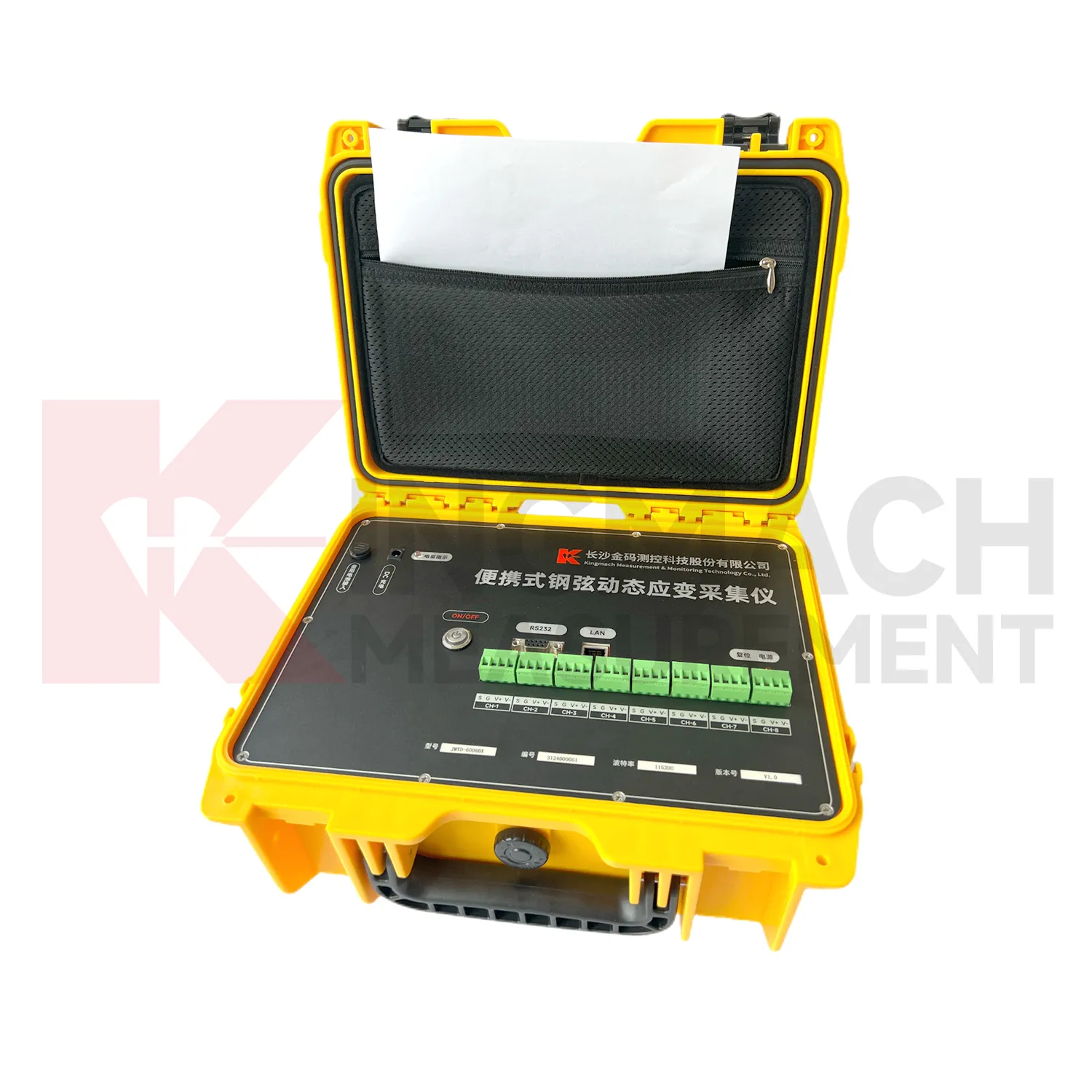
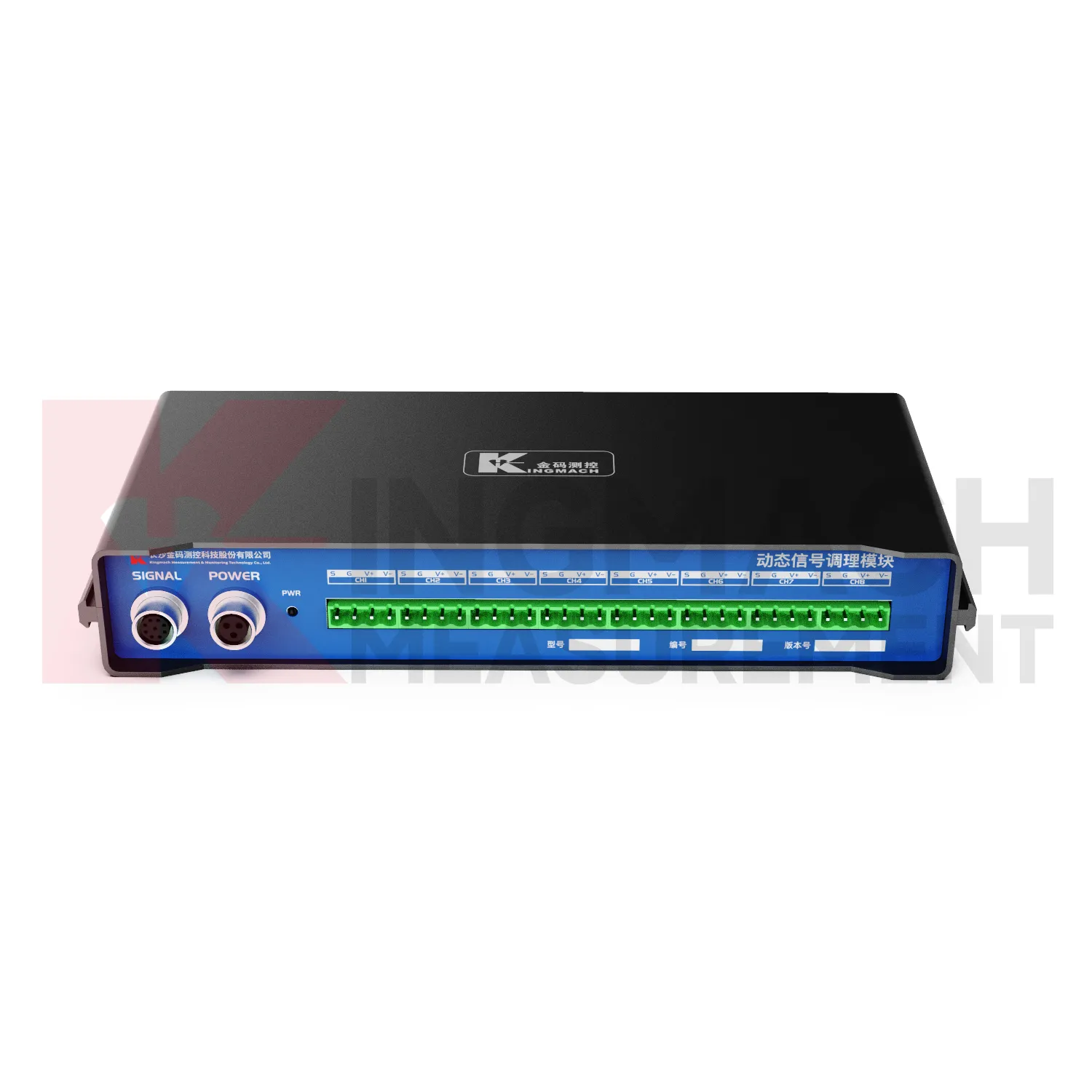
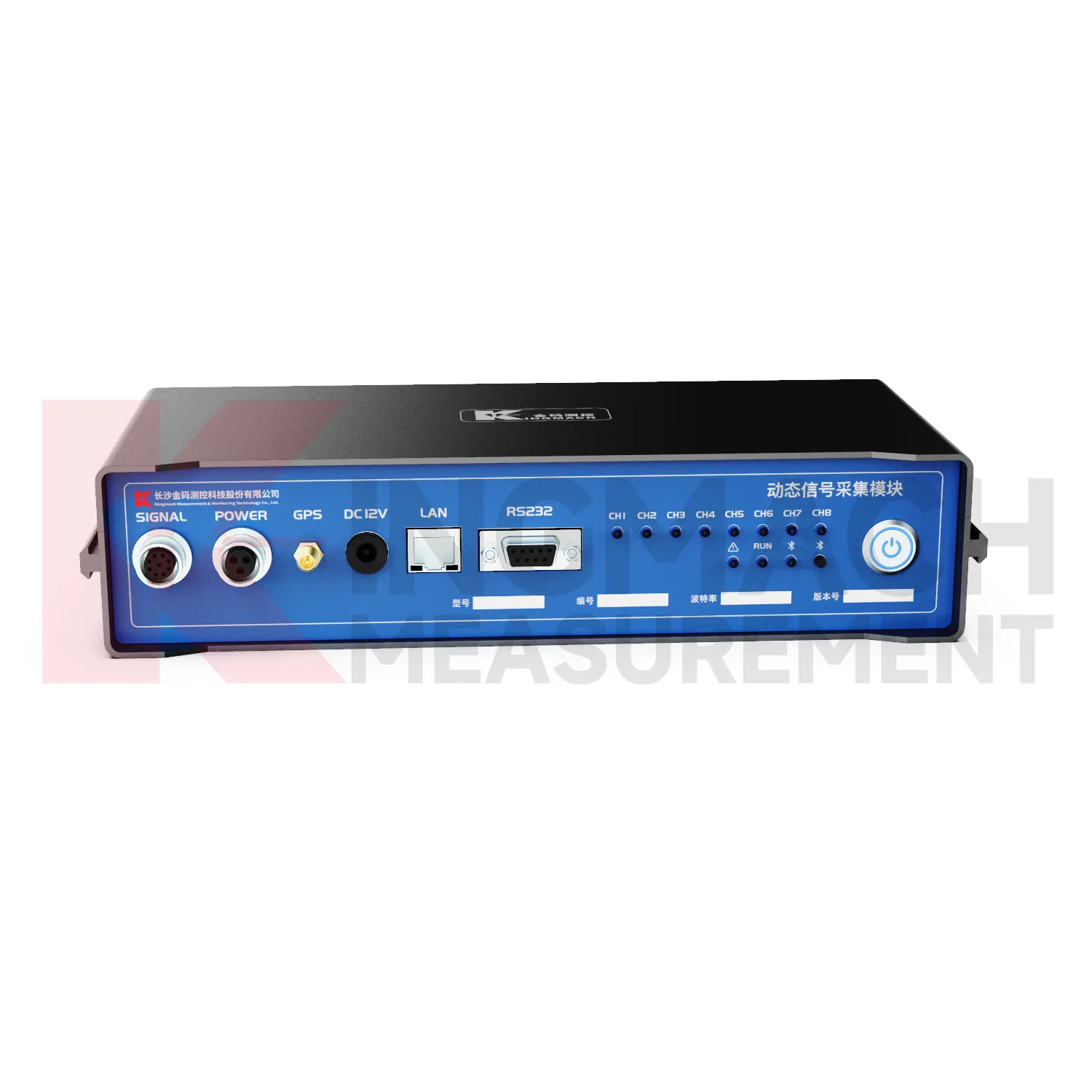
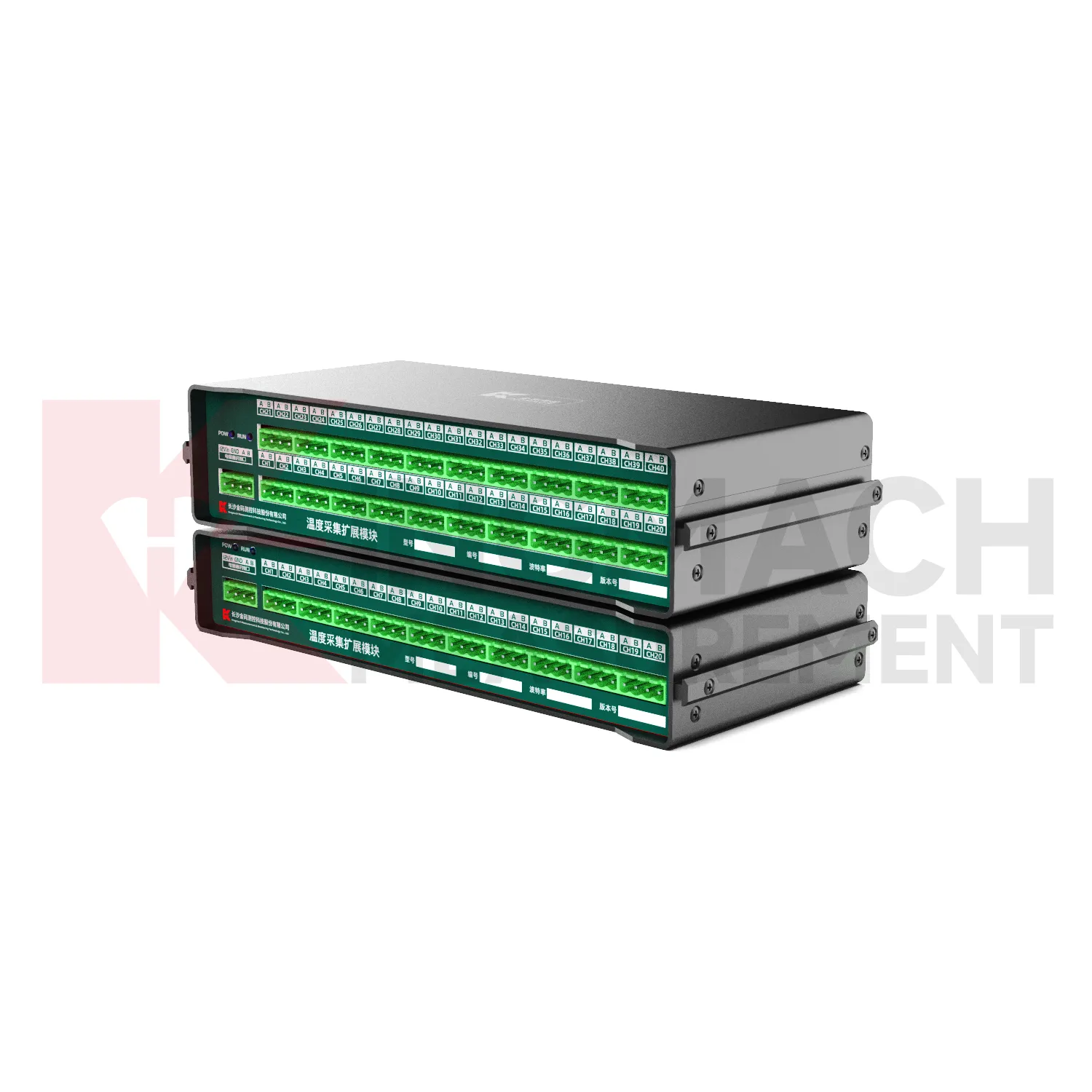
Kingmach temperature acquisition module provide acquisition support for projects where readings must remain traceable long after the first inspection round has ended. A single number rarely explains the condition of a structure by itself. Engineers need the measuring point, time, operating mode, instrument status, field activity, and reviewer responsibility to stay connected as one usable record. Portable units help crews confirm sensors during installation, investigate doubtful values, and take comparison readings during maintenance visits. Fixed and wireless units help the owner keep a regular history when the station is difficult to reach or when readings are needed outside normal working hours. The acquisition plan should define how channel names are created, how files are exported, who checks missing readings, who confirms alarms, and how corrected notes are preserved. This is especially important on bridges, tunnels, dams, slopes, railways, deep excavations, and industrial test areas where several teams may handle the same station over time. When the logger, readout, communication path, and reporting process are arranged as one operating chain, long-term monitoring becomes easier to audit, compare, and hand over without losing the meaning behind the measured values. During procurement, it also helps to confirm whether the instrument will be used by trained monitoring staff, general site personnel, or a remote service team, because each working pattern affects display clarity, file handling, enclosure access, communication recovery, and daily checking routines.
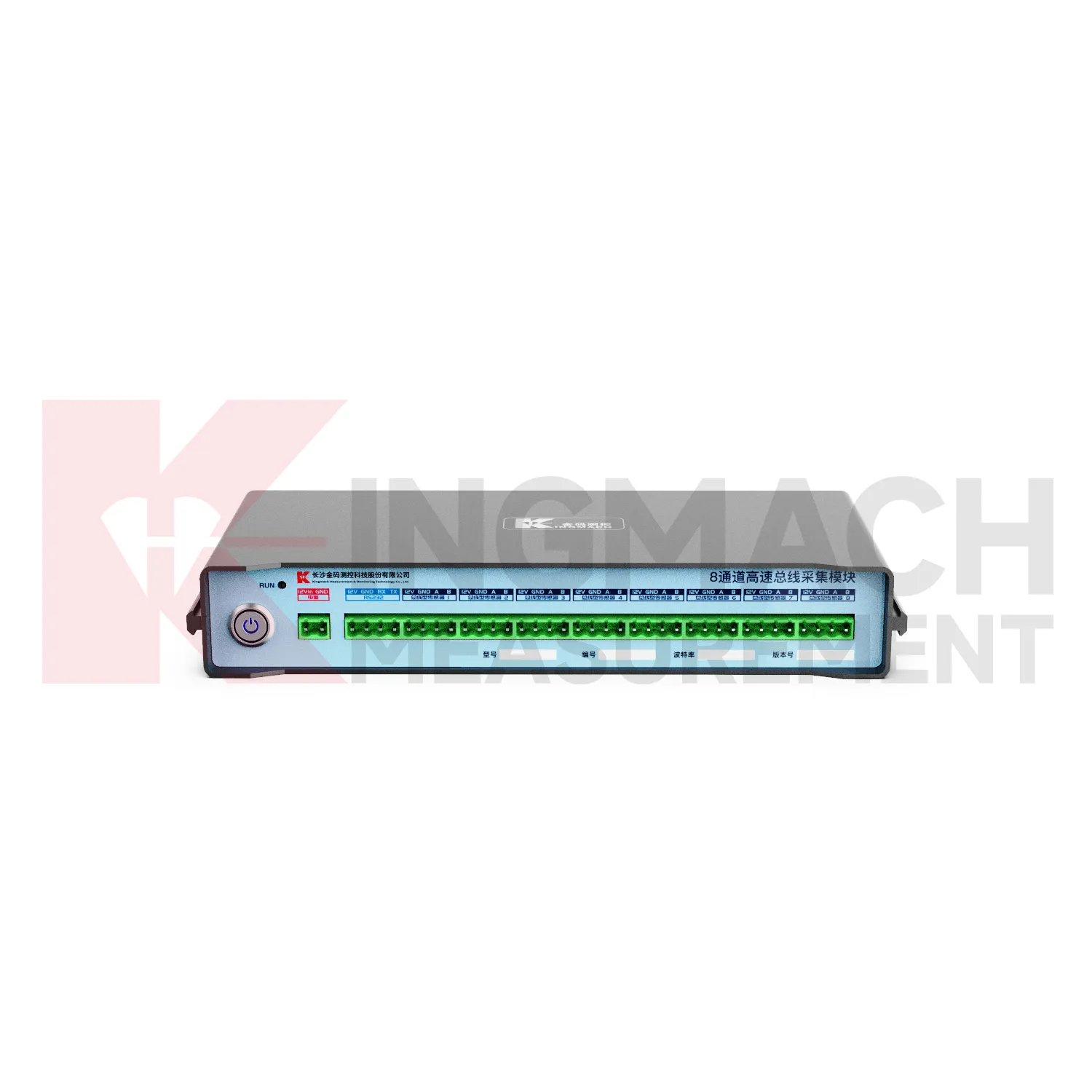
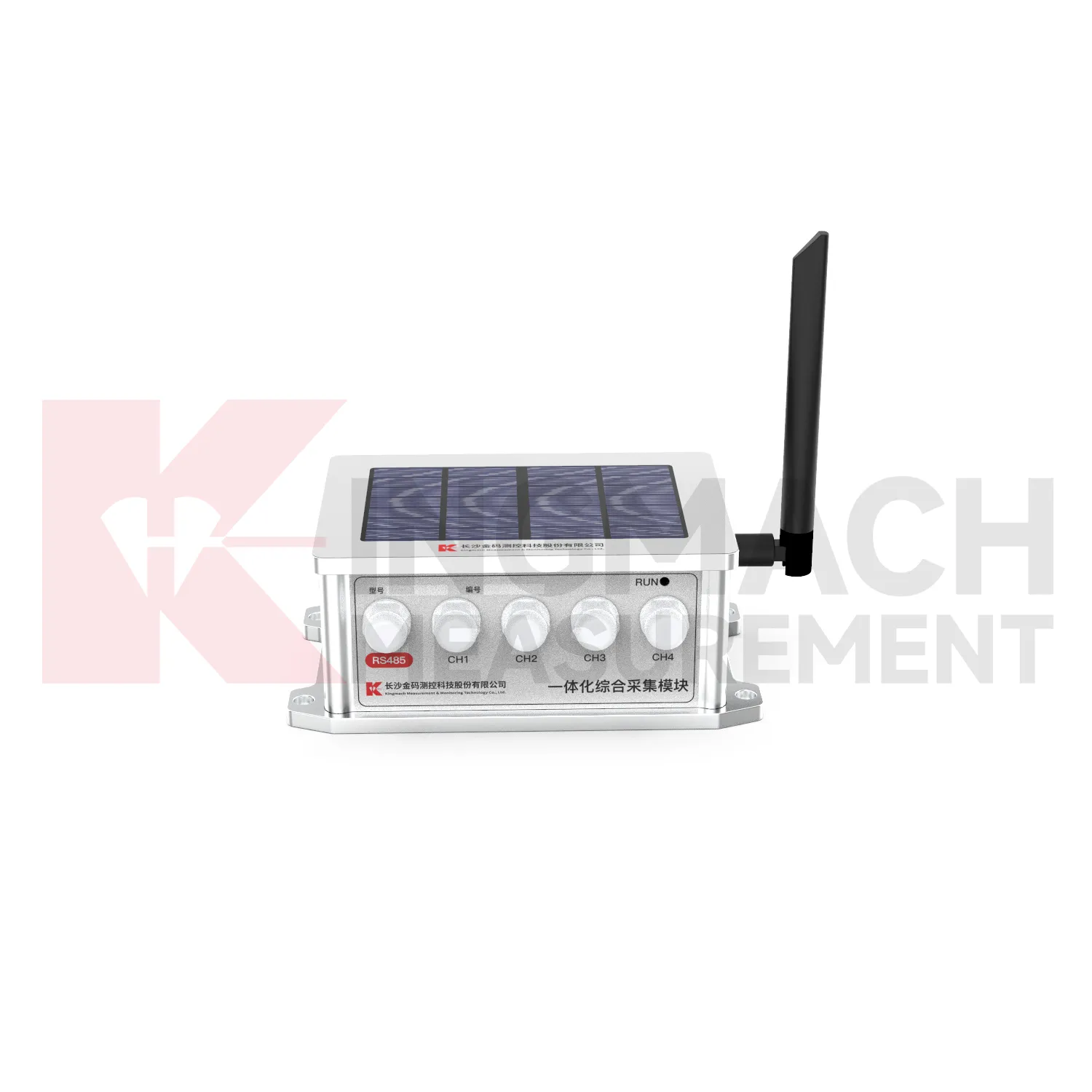
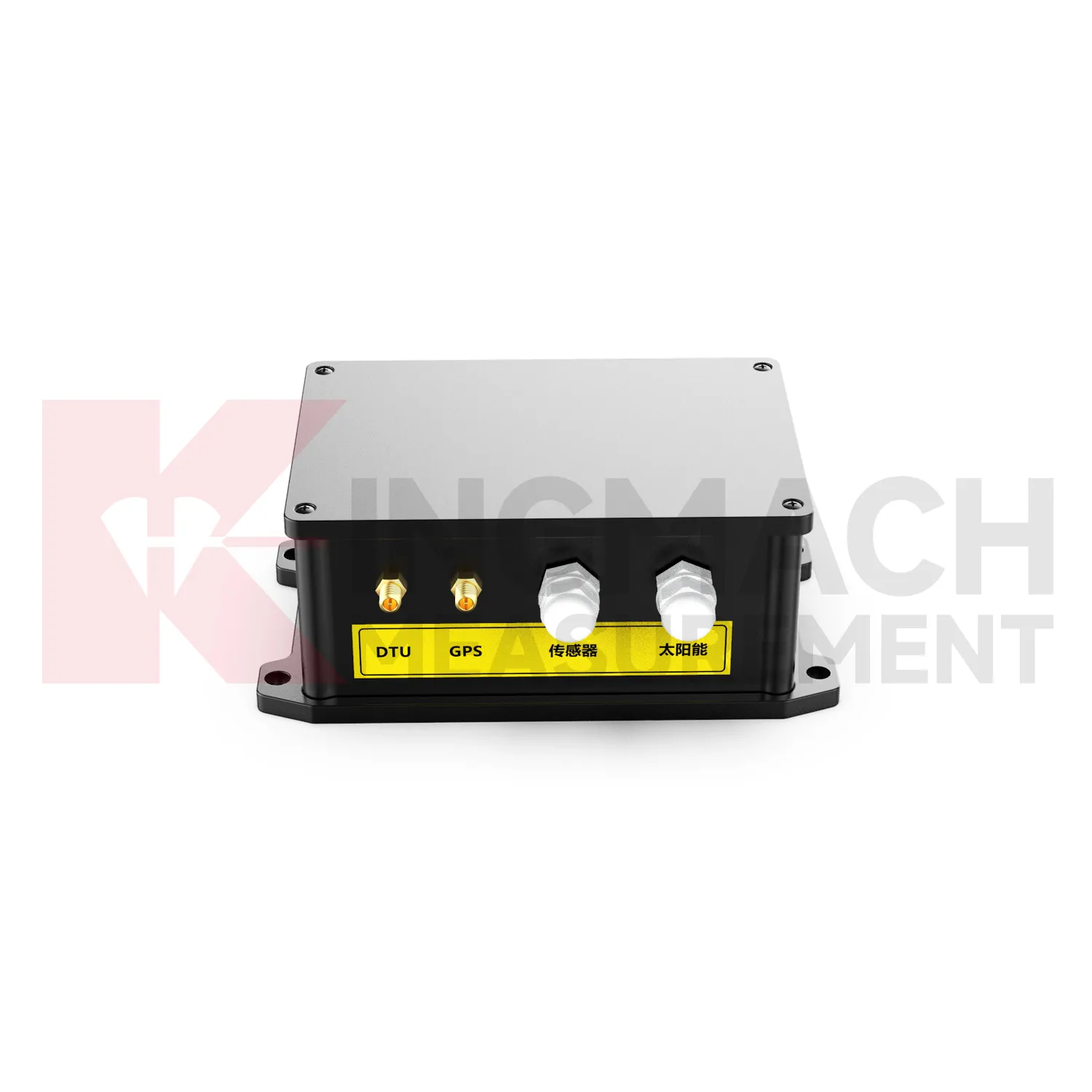
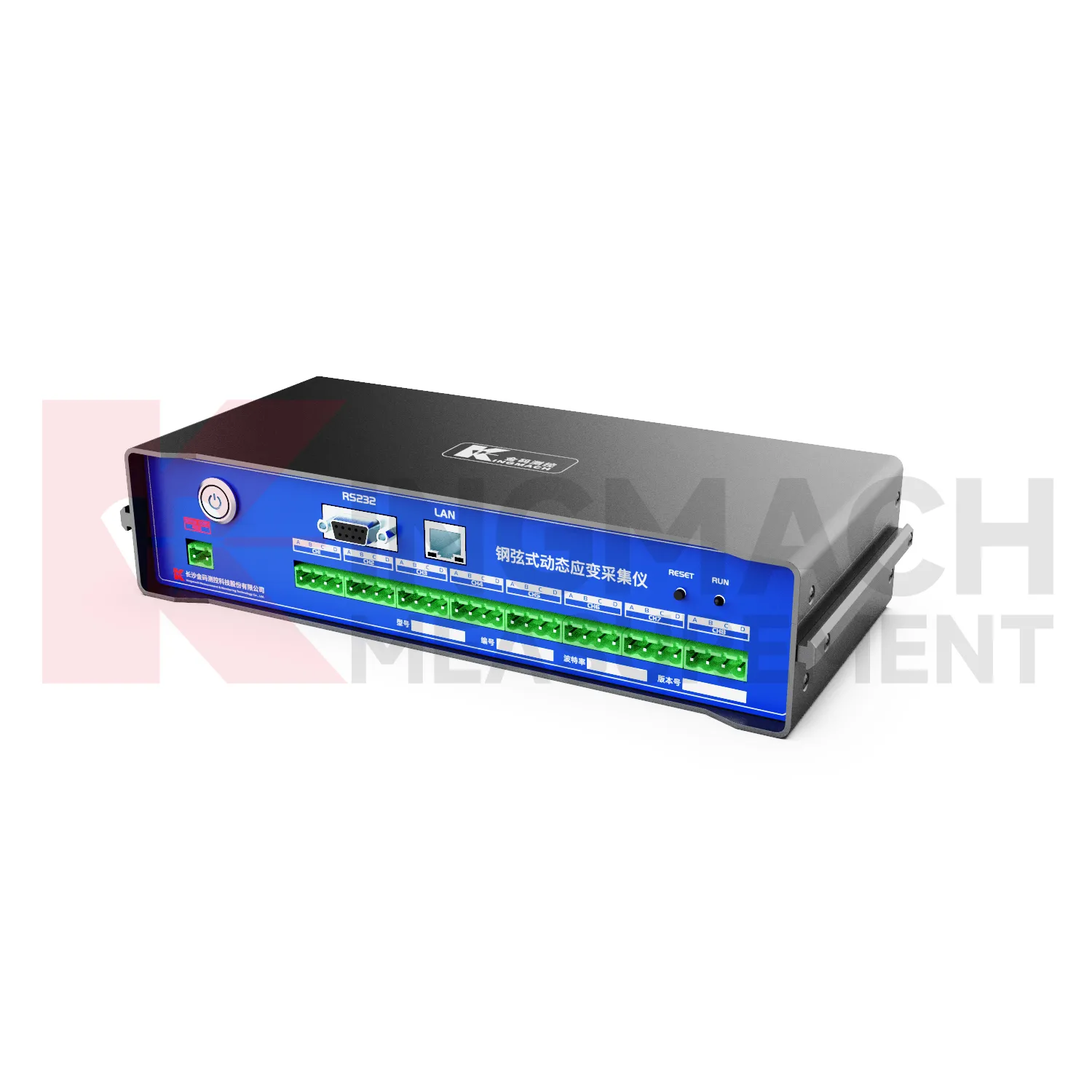
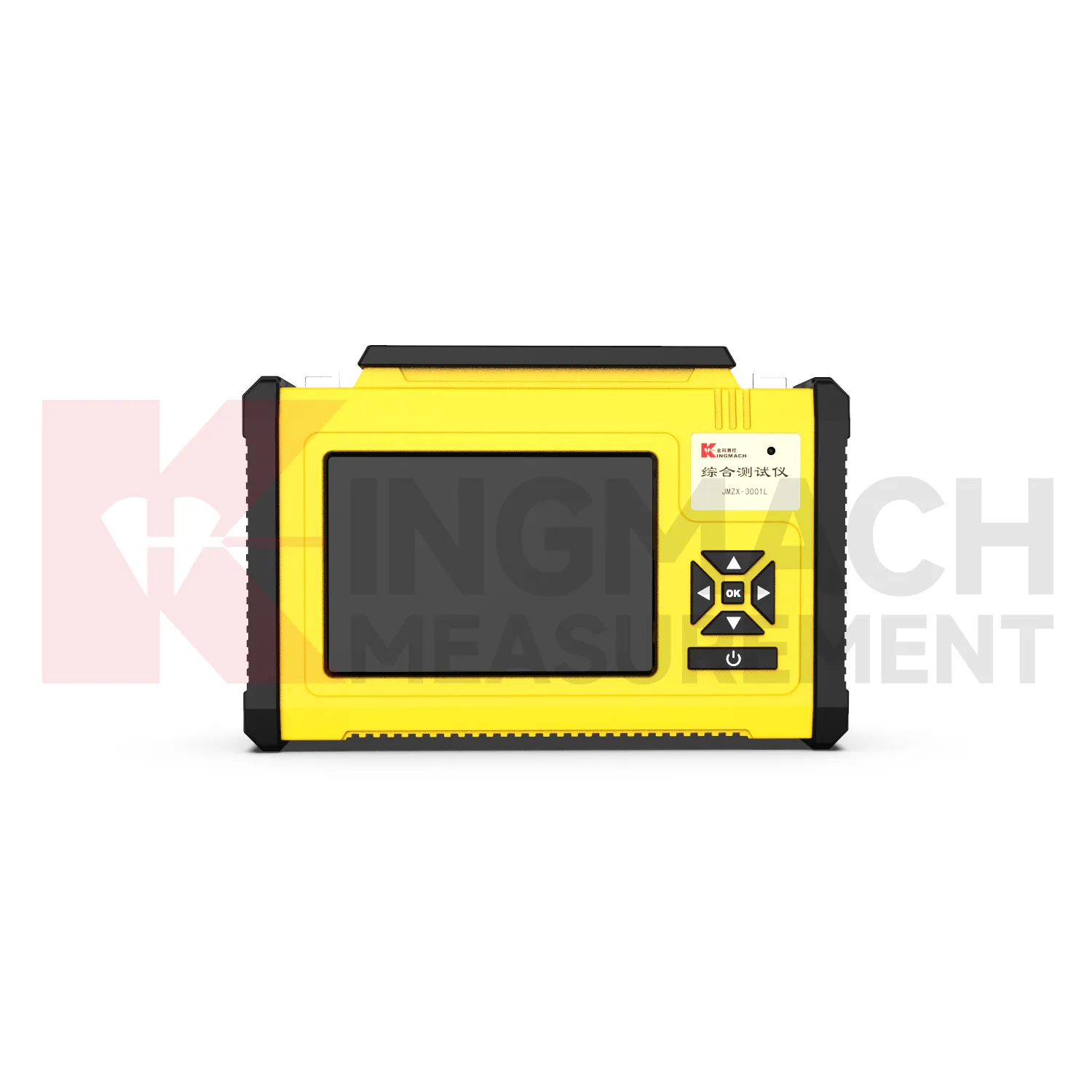
Application of temperature acquisition module
Mining, nuclear plant, and civil infrastructure monitoring can use Kingmach temperature acquisition module where remote or safety-related locations require dependable acquisition. Wireless data loggers reduce the need for repeated manual entry in areas with difficult access. Portable readouts help technicians verify sensor condition during scheduled inspections. Dynamic or multi-channel equipment supports event capture when movement or strain changes quickly. These projects often need strict record discipline because later review may involve construction managers, safety engineers, owners, and maintenance teams. The acquisition system should keep measurement time, point identity, device status, and maintenance history visible so abnormal readings can be reviewed with the proper context. Safety-related stations also need clear evidence of device health. If a remote logger misses uploads, loses power, or reports a suspicious value, the team should know whether the concern comes from the site or from the acquisition chain. Battery history, enclosure notes, access records, and upload status help engineers decide which field action should happen first. For high-consequence infrastructure, this traceability supports faster review during abnormal periods and reduces uncertainty when multiple teams share responsibility for monitoring, maintenance, and reporting. The device record can also support audits, emergency review, and long-term asset documentation when access to the station is limited.
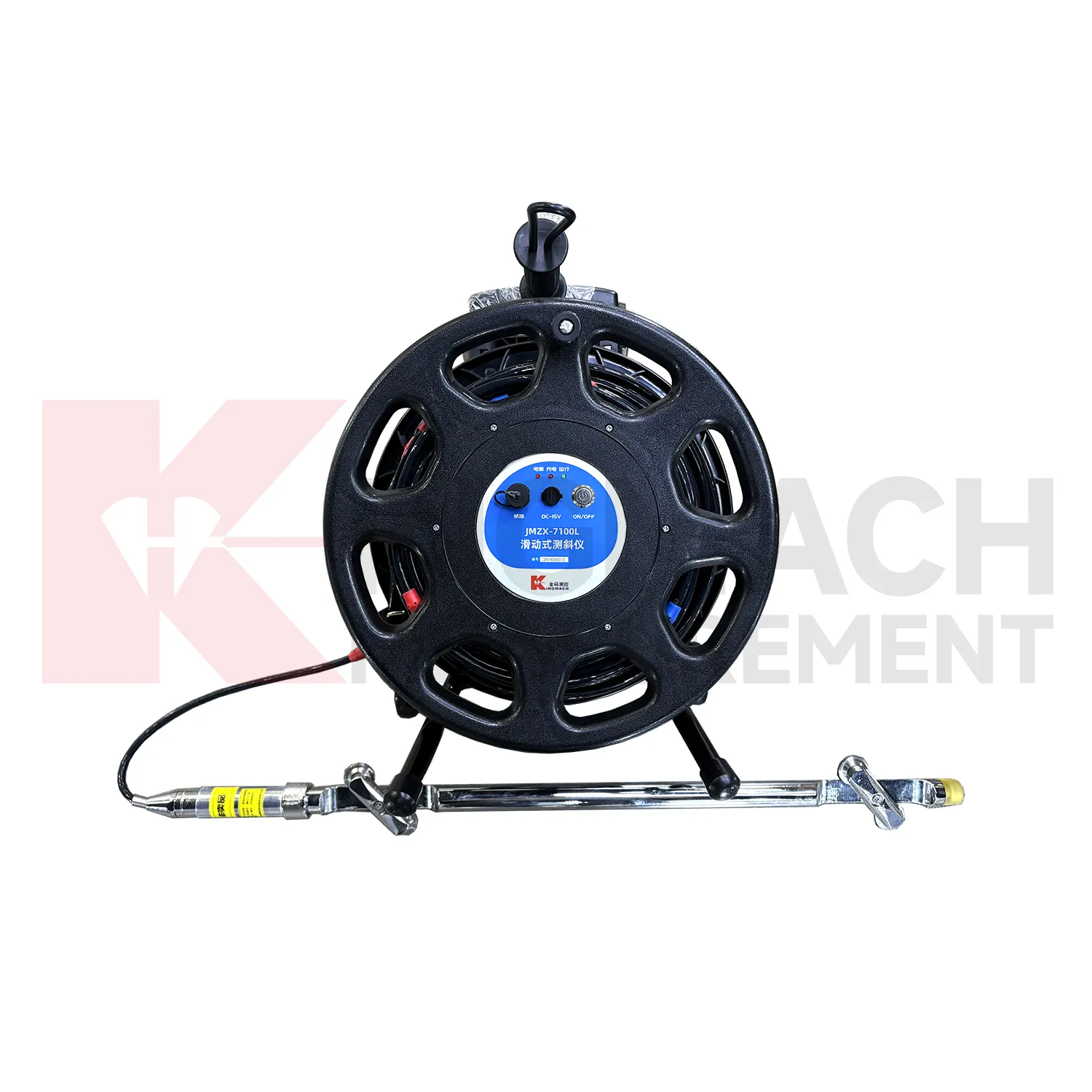
The future of temperature acquisition module
Future Kingmach temperature acquisition module will put more attention on data handover. Monitoring projects often outlast the team that installed the sensors. Future readouts and loggers should support records that remain understandable after staff changes, repairs, and platform updates. A handover package can include sensor lists, channel maps, baseline values, acquisition intervals, communication settings, and examples of normal readings. When this information stays connected with the data logger history, the owner can continue review without guessing how the system was configured. Digital handover should also record what changed after installation. If a logger is replaced, a channel is renamed, or an interval is adjusted, the station history should show the reason and date. This keeps the monitoring file usable for future contractors, maintenance teams, and asset managers. A good handover record can prevent repeated troubleshooting and helps new teams understand the monitoring logic before they make changes. during operation safely. over time.
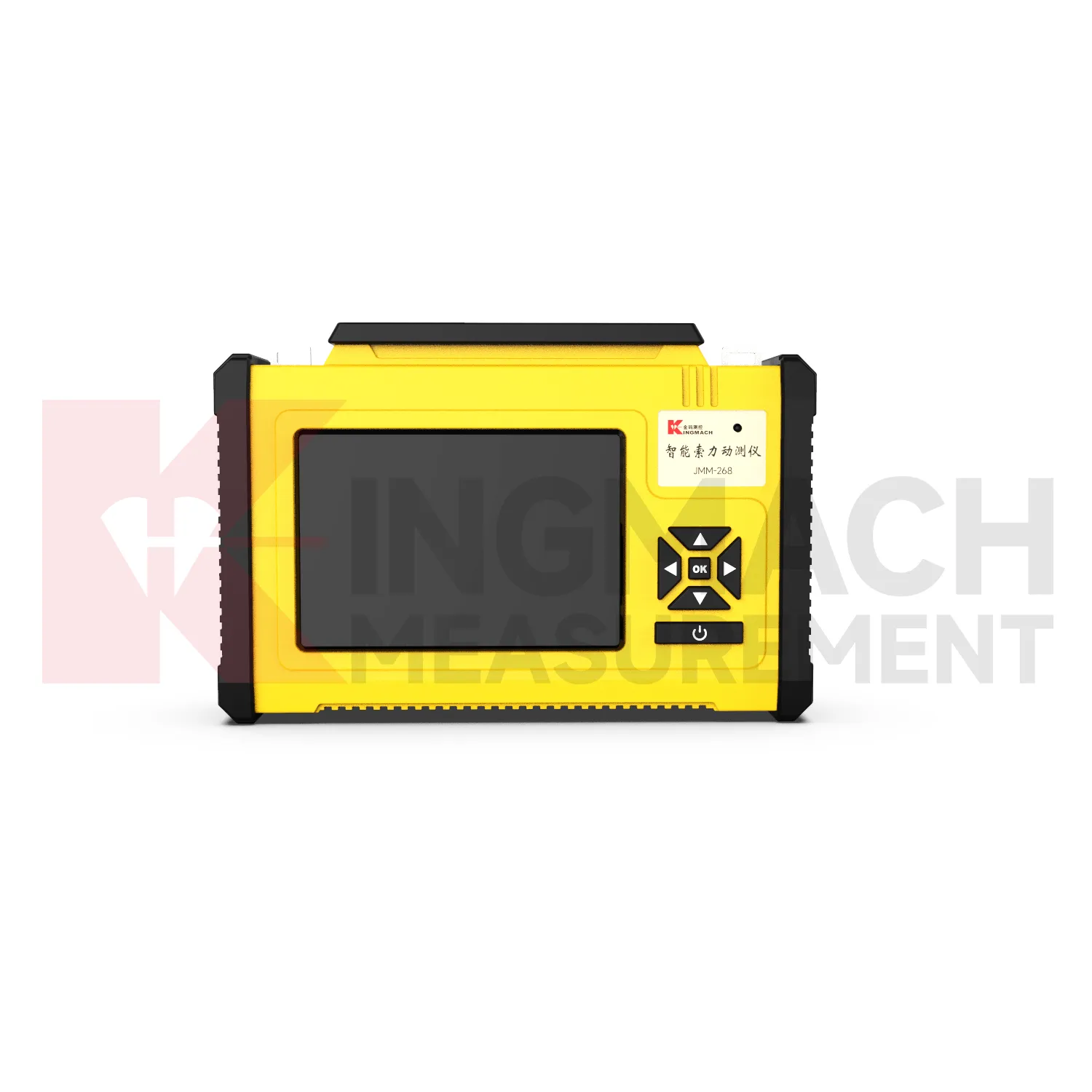
Care & Maintenance of temperature acquisition module
Firmware, settings, and communication checks help Kingmach temperature acquisition module remain dependable. Remote upgrade, communication mode, sampling interval, baud rate, platform channel, and storage behavior should be documented when changed. A setting change can alter the meaning of the record if it is not visible to reviewers. Before changing intervals or upload rules, the team should confirm why the change is needed and which channels are affected. After the change, a short verification reading should be saved. This makes the acquisition history easier to audit. Settings maintenance should include a before-and-after note. If a station changes from frequent readings to slower routine acquisition, the report should show that timing change. If communication is moved from local export to wireless upload, the platform channel should be checked against the field label. These notes protect interpretation after updates. and reduce avoidable disputes. during audits and handover. over time. for teams. clearly and safely. consistently.
Kingmach temperature acquisition module
Kingmach temperature acquisition module support projects when monitoring duties shift between installation teams, testing teams, owners, and maintenance contractors. Early readings may come from a handheld instrument during sensor acceptance, while later readings may be gathered by a fixed cabinet, a wireless station, or a portable unit brought back for verification. The important requirement is continuity: every channel should keep a recognizable identity, every reading should carry enough field context to be interpreted, and every operating change should be traceable. A good handover package explains sensor grouping, channel labels, collection rhythm, communication route, power arrangement, and review responsibility in language that a new technician can follow. This prevents routine monitoring from depending on one person?s memory. When a bridge, tunnel, dam, slope, building, railway section, or industrial test rig remains under observation for months, the acquisition system must make daily work orderly: connect, confirm, collect, review, report, and keep the history usable for engineering judgement.
FAQ
Q: How should devices be maintained?
A: Maintain batteries, connectors, labels, cable routes, enclosures, communication settings, storage, and exported records according to site conditions.
Q: Why record setting changes?
A: A changed interval, communication method, channel name, or firmware state can affect later interpretation, so the date and reason should remain visible.
Q: Can data be reviewed remotely?
A: Wireless and platform-connected devices can support remote review when communication, power, upload settings, and channel identity are configured correctly.
Q: What makes long-term records useful?
A: Long-term records stay useful when baseline values, maintenance notes, device status, sensor locations, and normal behavior examples remain available.
Q: What should buyers ask suppliers?
A: Buyers should ask about sensor compatibility, channel capacity, power planning, storage, communication, export format, field protection, and after-sales support. The record stays useful when point names, channel labels, sensor type, measurement time, and field condition are kept together, because later reviewers can connect the number with the actual structure and inspection history.
Reviews
Daniel Brown
Excellent environmental monitoring sensors. The data is consistent, and the system integrates smoothly with our existing setup.
Ryan Lewis
Fast delivery and excellent product quality. The accelerometers and tiltmeters are highly reliable. Strongly recommend this company.
Latest Inquiries
To protect the privacy of our buyers, only public service email domains like Gmail, Yahoo, and MSN will be displayed. Additionally, only a limited portion of the inquiry content will be shown.
Emma***@gmail.comCanada
Dear Sir/Madam, we are interested in displacement transducers and settlement sensors for a geotechni...
Olivia***@gmail.comUnited States
Hello, we are currently sourcing high-precision strain gauges and load cells for a bridge monitoring...
Related product categories
- Platforms & Services
- Structural Health Monitoring (SHM) System
- Structural Monitoring Cloud Platform
- IoT Online Monitoring System
- Structural Safety Assessment
- Monitoring System Platform & Services
- Engineering Pulse Intelligent Monitoring Cloud Platform
- Fullprocess Service
- Onestop Installation Service
- Construction Monitoring
- Safety Warning / Alert System
- Big Data Analysis