
 EN
EN
 ar
ar bg
bg hr
hr cs
cs da
da nl
nl fi
fi fr
fr de
de el
el hi
hi it
it ko
ko no
no pl
pl pt
pt ro
ro ru
ru es
es sv
sv tl
tl iw
iw id
id lv
lv lt
lt sr
sr sk
sk sl
sl uk
uk vi
vi et
et hu
hu th
th tr
tr fa
fa ms
ms hy
hy ka
ka ur
ur bn
bn mn
mn ta
ta kk
kk uz
uz ku
ku
weir flow meter Instant
Kingmach weir flow meter Instant is built around the practical task of measuring flow in a controlled open-channel section. The system concept combines a weir structure with precise water head observation, then converts that head change into a flow record that can be reviewed over time. This approach is useful in water conservancy, drainage, irrigation, tunnel discharge, small hydraulic structures, and water resource management because it gives teams a repeatable way to compare changing flow conditions. A useful product description can follow the field chain: water approaches the weir, the control section creates a stable relationship, the head is measured, the data is transmitted, and the record is reviewed with site notes. Accuracy depends not only on the instrument but also on the shape and condition of the channel. Sediment, debris, turbulence, backwater, poor leveling, or an unclear reference point can all make a clean sensor record less meaningful. For that reason, a complete project should define installation location, cleaning access, data review, and maintenance responsibility before the point is put into service. For water accounting or resource management, the same section, reference point, and maintenance discipline make seasonal and operational comparison reliable. If the channel is modified, the record should not hide the change. A repair, new crest, cleaned approach, moved enclosure, or changed data channel can affect comparability and should be visible beside the next flow trend.
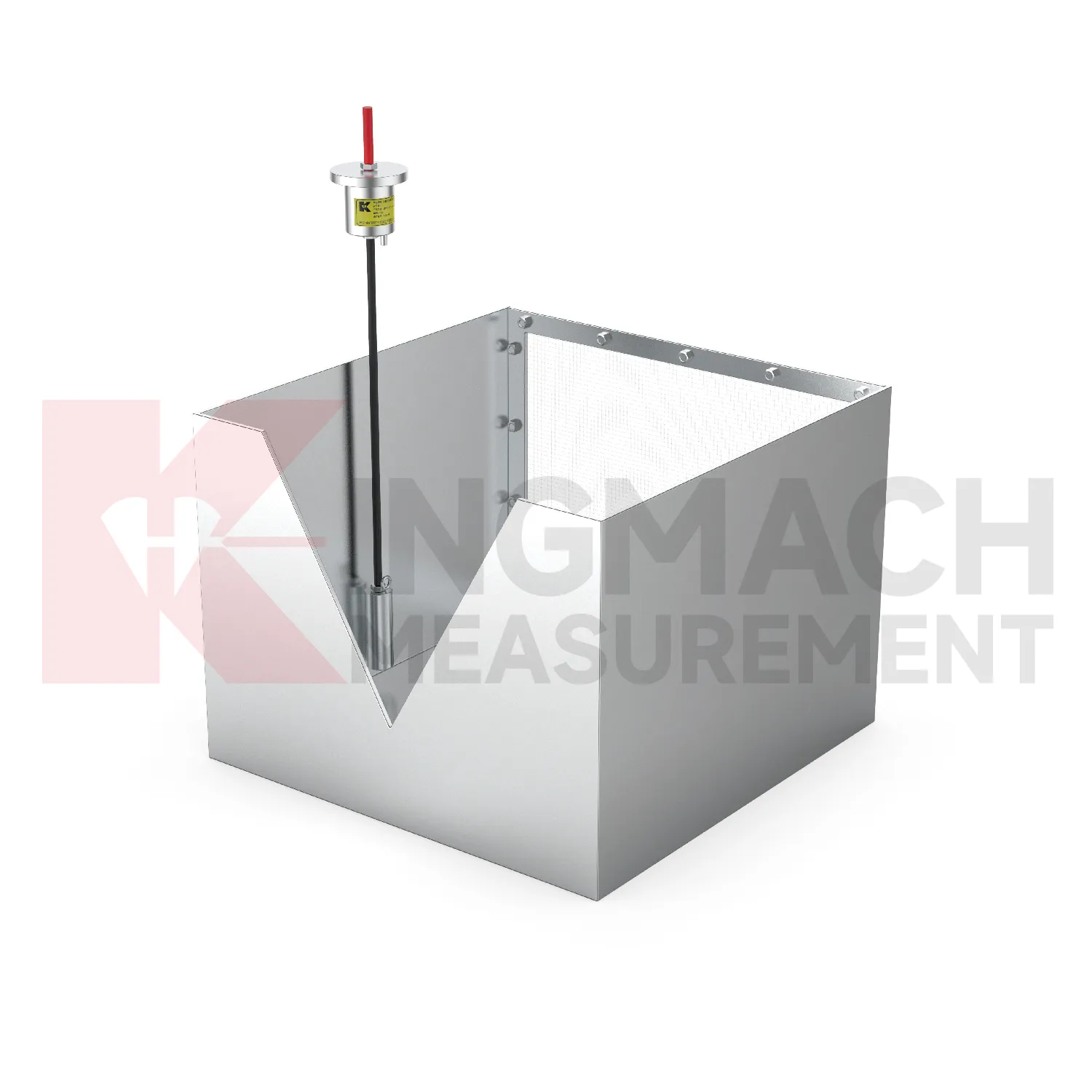
Application of weir flow meter Instant
Tunnel and underground projects use Kingmach weir flow meter Instant when discharge, seepage collection, or drainage flow needs to be observed over time. A tunnel drainage point may behave differently after rainfall, excavation, lining work, groundwater change, or maintenance cleaning. Flow records should be reviewed with seepage notes, water level observations, settlement, convergence, crack records, and inspection photographs. The measuring point must remain accessible because underground channels can collect sediment, scale, or debris. Point names should include section, side, drainage path, and purpose so future maintenance teams know what the record represents. A reliable flow curve helps distinguish routine drainage from a change that may require closer investigation. In underground work, the context around the number matters. A rising flow trend near a known seepage zone may require a different response from a brief rise after planned washing or pumping. Operators should keep notes about access restrictions, lighting, ventilation, cleaning time, and visible deposits near the measuring section. Those details help engineers review the record without guessing what happened on site. When the tunnel enters long-term service, the same monitoring point can continue to support drainage maintenance, seasonal review, and early discussion of unusual water movement. It also helps compare different tunnel sections without relying only on memory or scattered inspection notes.
The future of weir flow meter Instant
Future Kingmach weir flow meter Instant will be designed around user roles. Operators may need alarms and daily trends. Engineers may need event detail and comparison with rainfall or water level. Maintenance crews may need cleaning access and inspection status. Owners may need monthly water management summaries. A single data stream can support all of these users when the platform is organized well. The key is to define how each user will act on the flow record before the point is installed. This prevents the monitoring system from collecting data that nobody knows how to use. Role-based reporting should show each team the action that matters to them. An operator may check whether discharge returned to normal after a storm. A maintenance crew may check whether sediment is reducing channel capacity. An owner may compare several stations across a season. The same measurement becomes more useful when the display matches the decision being made.
Care & Maintenance of weir flow meter Instant
Enclosure and cable care helps Kingmach weir flow meter Instant remain reliable in wet sites. Flow monitoring points may be exposed to splashing, flooding, insects, mud, temperature change, and accidental impact during cleaning or construction. Inspect cable glands, junction boxes, conduit, mounting hardware, grounding, labels, and cabinet seals. A water-related fault can create missing data or unstable readings during storms, flooding, or other high-demand periods. After storms or maintenance work, check the enclosure before trusting unusual data. Field protection should allow safe access for cleaning without putting cables or boxes in the path of tools and debris. Maintenance notes should record whether a cabinet was opened, whether seals were wet, whether cable routes were disturbed, and whether power or communication recovered after inspection. These details are practical because electrical problems often appear at the same time as hydraulic stress. A short note can prevent repeated diagnosis when a later reviewer sees a gap or spike during bad weather.
Kingmach weir flow meter Instant
Kingmach weir flow meter Instant supports projects where small water level changes need to be converted into meaningful flow information. In a weir structure, a slight rise or fall in water head can represent a real change in discharge. That is why the measurement point must be stable, clean, and tied to the correct hydraulic geometry. The record becomes stronger when water level, channel condition, rainfall, pump operation, gate activity, and inspection notes are reviewed together. A flow curve by itself may show an increase, but the site record explains whether that increase came from stormwater, controlled discharge, blockage, leakage, or upstream operation. This kind of interpretation is important for operators who must act on the data. They need to know whether a change is normal, whether a channel needs cleaning, or whether another instrument record should be checked. A clear flow history turns small water-head movement into a practical operating signal instead of an isolated reading.
FAQ
Q: What maintenance is needed?
A: Inspect the crest, approach channel, downstream condition, sensing area, enclosure, cable route, labels, and recent flow trend.
Q: How often should cleaning happen?
A: Cleaning frequency depends on debris, sediment, season, upstream activity, rainfall, and how critical the flow record is for the project.
Q: What should be checked after storms?
A: Check debris, sediment, water marks, downstream backwater, enclosure water entry, cable damage, and whether the first post-storm reading is plausible.
Q: Why record maintenance notes?
A: Maintenance notes explain whether a flow change came from real water behavior, cleaning, repair, blockage, or measuring-section disturbance.
Q: What if the weir point is modified?
A: Record the date, reason, old condition, new condition, and first stable reading so future reviewers can compare the curve correctly. Designers, operators, maintenance staff, and owners may read the same curve, so the record needs clear site conditions, inspection notes, and action history in plain engineering language.
Reviews
Daniel Brown
Excellent environmental monitoring sensors. The data is consistent, and the system integrates smoothly with our existing setup.
Christopher Martinez
Very satisfied with the readouts & data loggers. User-friendly interface and supports multiple sensor inputs.
Latest Inquiries
To protect the privacy of our buyers, only public service email domains like Gmail, Yahoo, and MSN will be displayed. Additionally, only a limited portion of the inquiry content will be shown.
Mia***@gmail.comNetherlands
Dear team, we are interested in your readouts & data loggers compatible with multiple sensors. Do yo...
Sophia***@gmail.comUnited Kingdom
Good day, we need environmental monitoring sensors including temperature, humidity, and wind sensors...
Related product categories
- weir flow meter Supplier
- weir flow meter Solution
- weir flow meter System Integration
- weir flow meter Localization
- weir flow meter Domestic Manufacturing
- weir flow meter China
- weir flow meter Factory Price
- weir flow meter Cost effective
- weir flow meter Instant
- weir flow meter custom
- weir flow meter steep discount
- weir flow meter introductory