
 EN
 ar
 bg
 hr
 cs
 da
 nl
 fi
 fr
 de
 el
 hi
 it
 ko
 no
 pl
 pt
 ro
 ru
 es
 sv
 tl
 iw
 id
 lv
 lt
 sr
 sk
 sl
 uk
 vi
 et
 hu
 th
 tr
 fa
 ms
 hy
 ka
 ur
 bn
 mn
 ta
 kk
 uz
 ku

weir flow meter Cost effective
A Kingmach weir flow meter Cost effective installation works as a hydraulic measurement point, not simply a sensor mounted near water. The weir body, crest, approach channel, water head location, enclosure, cable route, and inspection access all affect the quality of the flow record. A good site has stable approach flow and enough access for cleaning, verification, and safe maintenance. If the water surface is turbulent, if sediment collects near the crest, or if downstream water backs up toward the measuring section, the record may not represent the intended relationship between head and flow. Product information can help project teams evaluate these conditions before installation. It also reminds owners that long-term reliability comes from both equipment and routine channel care. A well-installed point can provide useful data for years, while a poorly placed point can create repeated uncertainty even when the electronics are working. Maintenance teams need a record that tells them where to look. If a curve drops slowly, cleaning and sediment checks may come first. If it rises suddenly during dry conditions, upstream operation or a changed drainage path may deserve attention. The strongest flow reports are written around decisions. They show whether to keep observing, clean the channel, inspect upstream conditions, check downstream backwater, or compare the point with another water-level or rainfall record.
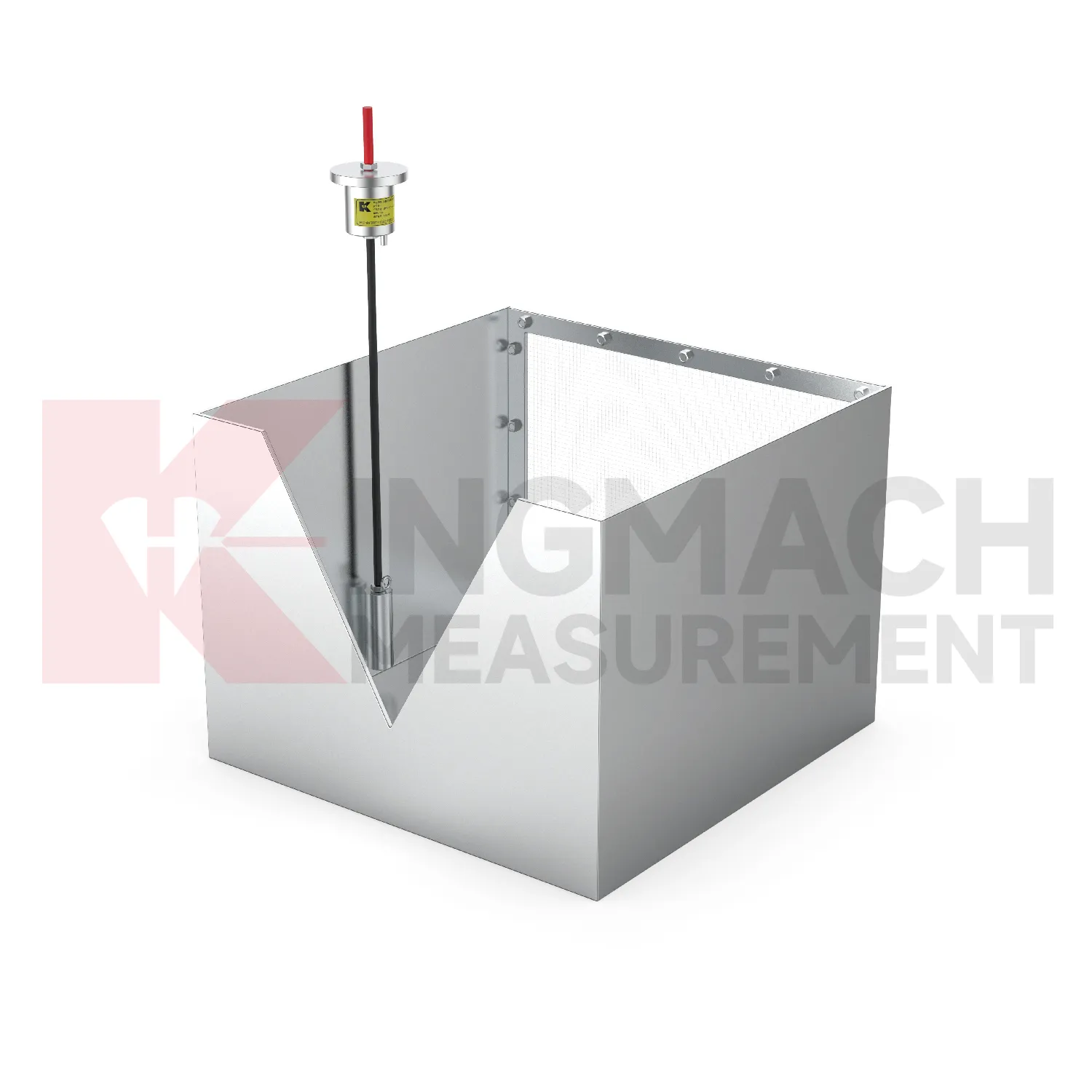
Application of weir flow meter Cost effective
Construction sites use Kingmach weir flow meter Cost effective to document temporary drainage, dewatering discharge, runoff control, or water diversion during staged work. Temporary systems can change quickly as excavation, rainfall, pumping, and channel layout change. A weir point gives the project team a dated flow record that can be compared with weather, pumping logs, inspection notes, and site activities. The installation should be protected from equipment traffic, sediment, concrete washout, and debris. Because temporary drainage often becomes a source of disagreement, a consistent flow record helps contractors, owners, and supervisors discuss the same facts. The record should show not only the flow trend, but also when channels were cleaned, pumps were adjusted, or site conditions changed. On active sites, the measuring location should be easy to identify and hard to disturb. Simple barriers, labels, access notes, and photo records can reduce confusion when crews rotate or work shifts change. The data is most useful when it is tied to daily events such as rain, excavation depth, pump relocation, discharge permit checks, and planned channel cleaning. That connection turns temporary drainage monitoring into a practical record for project control. It also gives managers a clearer basis for scheduling cleaning and documenting discharge changes during busy work periods.
The future of weir flow meter Cost effective
The future of Kingmach weir flow meter Cost effective will place more attention on readable reporting. Flow monitoring often serves mixed audiences: hydraulic engineers, maintenance teams, water managers, construction supervisors, and asset owners. A useful report should explain the measured channel, the time period, the event, the flow trend, the site condition, and the action taken. It should not require every reader to interpret raw curves. Clear reporting will make flow data easier to use during storm review, irrigation planning, tunnel maintenance, drainage management, and long-term asset reporting. Future reports should separate observation from judgment. The chart may show a rise or drop, while the note explains rainfall, pumping, cleaning, blockage, or downstream influence. When those layers are visible, different teams can discuss the same event without losing the field context. Readable reporting saves time because it makes the next action easier to agree on. It also makes monthly review easier for non-specialist managers.
Care & Maintenance of weir flow meter Cost effective
Seasonal maintenance should be planned for Kingmach weir flow meter Cost effective. In wet seasons, debris and sediment may increase. In dry seasons, algae, scale, or low-flow conditions may affect the control section. In cold areas, freezing or ice can distort the water path. In construction areas, temporary works may change runoff and sediment. A seasonal checklist should be tied to the actual site, not copied from a generic calendar. The best maintenance schedule reflects weather, land use, upstream activity, and the owner?s need for reliable flow records during critical periods. Before the high-risk season begins, teams can inspect access, labels, crest condition, outlet clearance, and data communication. After the season, they can review which alarms were useful, which visits were unnecessary, and which channel conditions caused uncertainty. That review turns maintenance history into a better plan for the next operating period. It also supports cleaner budgeting for field labor and spare parts.
Kingmach weir flow meter Cost effective
Kingmach weir flow meter Cost effective can be part of a wider monitoring network where flow is reviewed beside rainfall, water level, seepage, settlement, displacement, and inspection records. In a dam or slope project, changing flow may signal water movement that deserves attention. In a tunnel, drainage flow may help explain seepage or maintenance demand. In an irrigation or drainage system, flow records may support allocation and operating schedules. The point is not to collect another curve; it is to connect flow behavior with field conditions. When the flow record is time-aligned with related data, engineers can understand cause and effect more quickly. The field record should explain the water path, the condition before the reading changed, the inspection access, and whether nearby operations or weather events affected the channel. This keeps the flow curve connected to real site behavior rather than leaving it as an isolated number. A practical review also checks whether the measuring section remained clean and hydraulically stable. Sediment, debris, vegetation, downstream backwater, or a disturbed approach can change the meaning of the same water-head reading, so those conditions belong in the project notes.
FAQ
Q: What maintenance is needed?
A: Inspect the crest, approach channel, downstream condition, sensing area, enclosure, cable route, labels, and recent flow trend.
Q: How often should cleaning happen?
A: Cleaning frequency depends on debris, sediment, season, upstream activity, rainfall, and how critical the flow record is for the project.
Q: What should be checked after storms?
A: Check debris, sediment, water marks, downstream backwater, enclosure water entry, cable damage, and whether the first post-storm reading is plausible.
Q: Why record maintenance notes?
A: Maintenance notes explain whether a flow change came from real water behavior, cleaning, repair, blockage, or measuring-section disturbance.
Q: What if the weir point is modified?
A: Record the date, reason, old condition, new condition, and first stable reading so future reviewers can compare the curve correctly. Designers, operators, maintenance staff, and owners may read the same curve, so the record needs clear site conditions, inspection notes, and action history in plain engineering language.
Reviews
David Wilson
We purchased displacement transducers and settlement sensors, and the quality exceeded our expectations. Easy installation and reliable performance.
Joshua Clark
We ordered a full monitoring solution including sensors and data loggers. Everything works seamlessly together. Great supplier!
Latest Inquiries
To protect the privacy of our buyers, only public service email domains like Gmail, Yahoo, and MSN will be displayed. Additionally, only a limited portion of the inquiry content will be shown.
Sophia***@gmail.comUnited Kingdom
Good day, we need environmental monitoring sensors including temperature, humidity, and wind sensors...
Isabella***@gmail.comGermany
Hello, we are evaluating weir flow meters for a water management project. Please share accuracy deta...
Related product categories
- Intelligent Weir Flow Meter
- Smart Weir Flow Meter
- weir flow meter
- weir type flow meter
- weir flow meter Price
- weir flow meter Manufacturer
- weir flow meter Supplier
- weir flow meter Solution
- weir flow meter System Integration
- weir flow meter Localization
- weir flow meter Domestic Manufacturing
- weir flow meter China