
 EN
EN
 ar
ar bg
bg hr
hr cs
cs da
da nl
nl fi
fi fr
fr de
de el
el hi
hi it
it ko
ko no
no pl
pl pt
pt ro
ro ru
ru es
es sv
sv tl
tl iw
iw id
id lv
lv lt
lt sr
sr sk
sk sl
sl uk
uk vi
vi et
et hu
hu th
th tr
tr fa
fa ms
ms hy
hy ka
ka ur
ur bn
bn mn
mn ta
ta kk
kk uz
uz ku
ku
strain gauge application
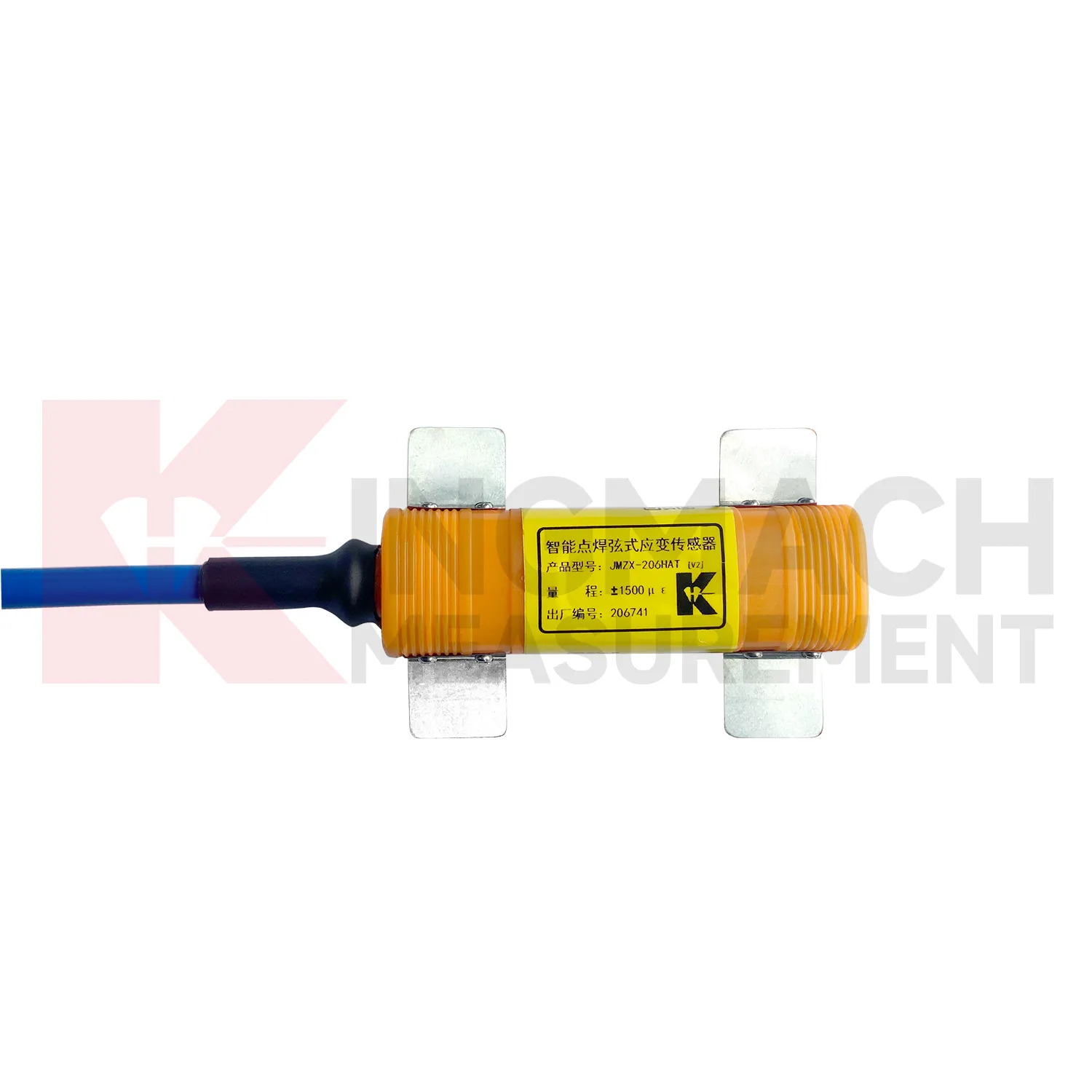
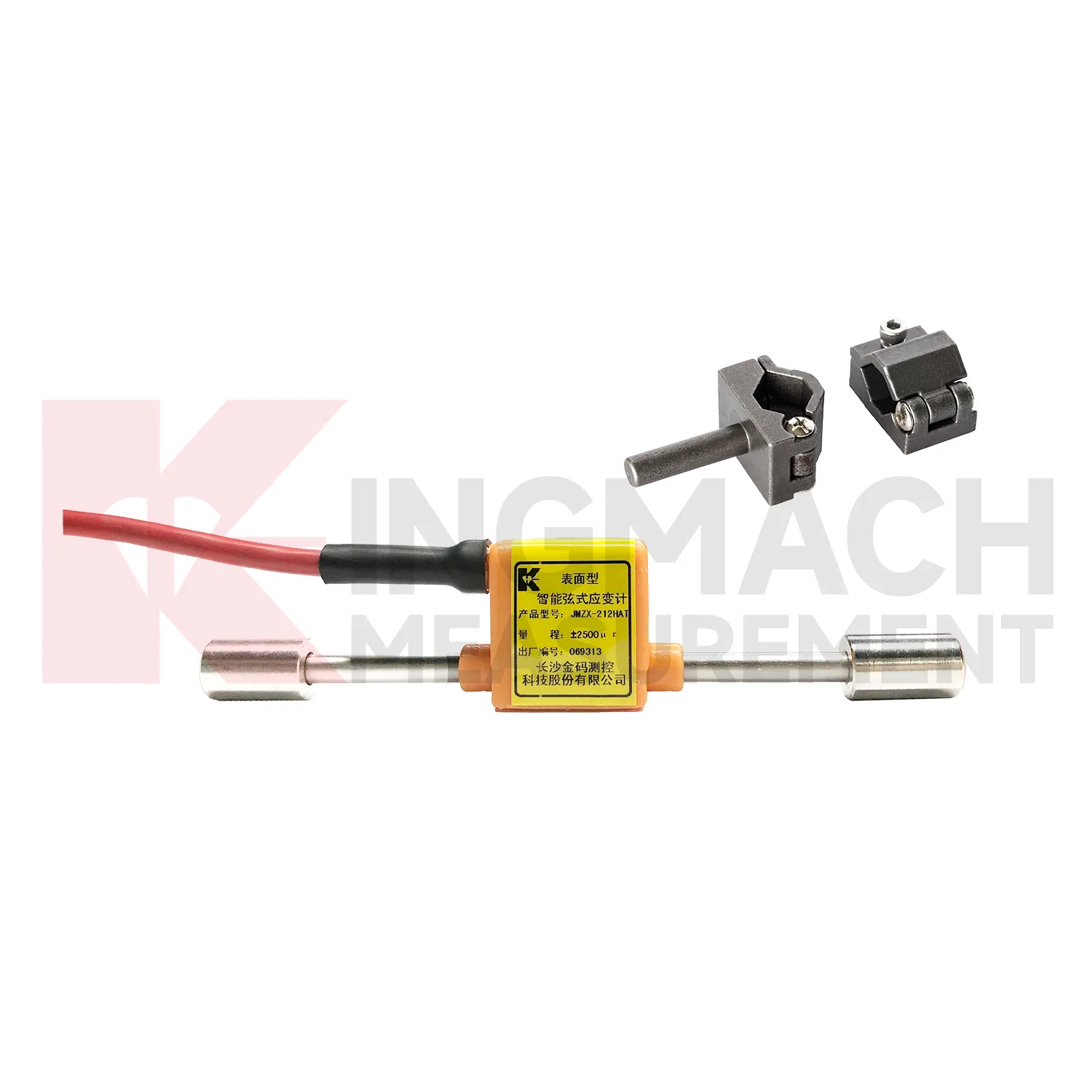
For steel members, Kingmach {keyword} includes the JMZX-206HAT surface welded model. It is built for strain measurement on steel structures such as bridges, buildings, railway facilities, pipes, tunnel linings, support members, and hydropower structures. The model has a measuring range from -1500 microstrain to +2500 microstrain, 0.5%FS accuracy, and 0.1 microstrain resolution. Installation uses a polished 10 x 80 mm flat surface and spot welding, which helps preserve the structural integrity of the steel member while forming a stable sensor connection. The low height design reduces strain error caused by bending deformation. An intelligent chip supports full digital detection, long distance signal transmission, and strong anti interference performance. An embedded memory chip stores the model, serial number, calibration coefficients, and up to 800 measurement records, which is useful when project teams need traceable sensor information in the field. The model information is useful during design review, procurement, and installation planning. Engineers can match the gauge length, range, and waterproof rating to the structure, while site teams can plan cable routing, data logger channels, and protection details before work begins. For field teams, those details also shape installation tools, spare cable length, readout selection, and protection work. They also help the owner decide whether manual reading, scheduled logging, or unattended monitoring is the better operating method.
Application of strain gauge application
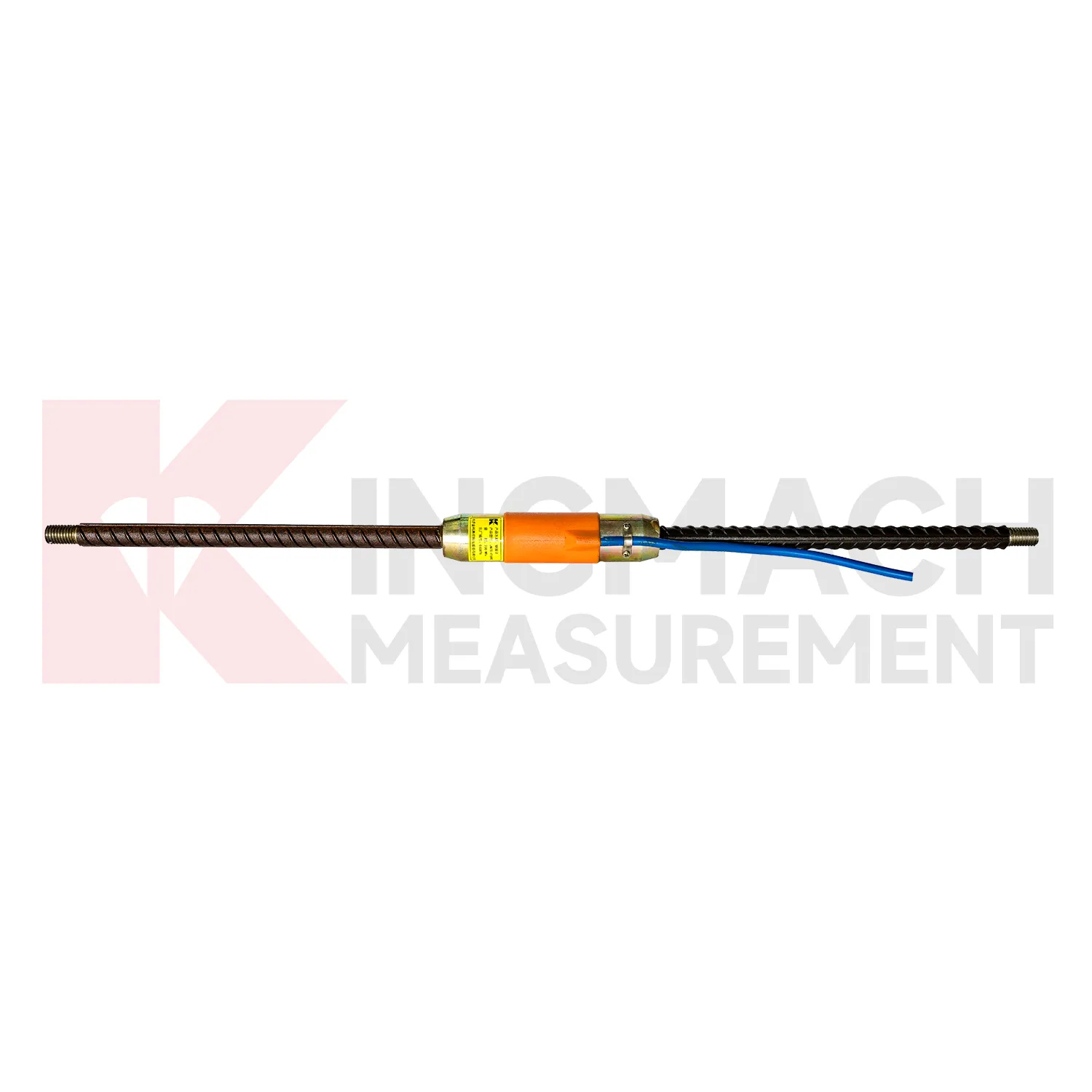
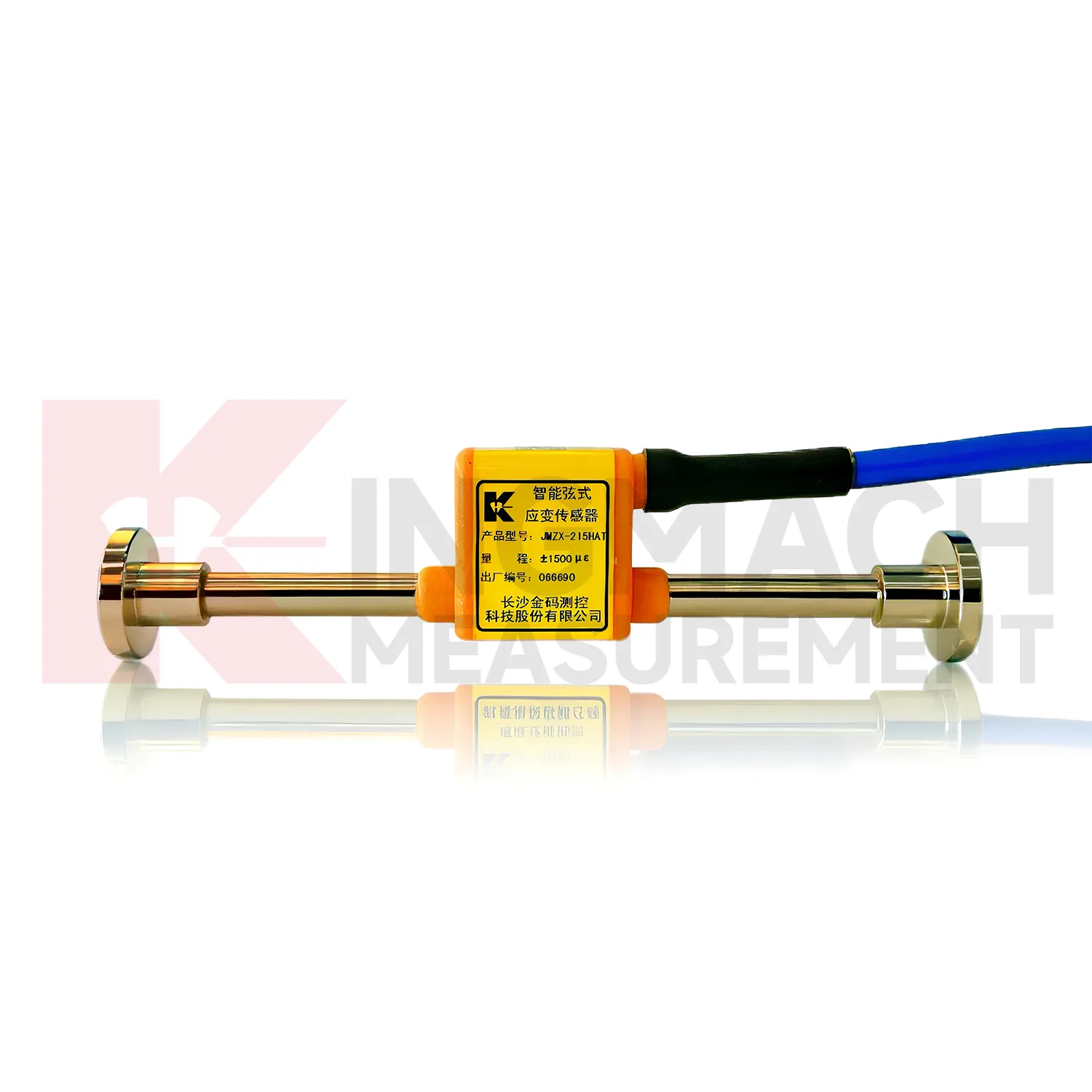
For pile foundations and cast in place concrete work, {keyword} helps engineers observe internal strain, reinforcement stress, concrete shrinkage, and load transfer after the member is no longer visible. Kingmach JMZX-215HA/215HAT/HB embedded gauges are tied to rebar or special supports before pouring, then used after the concrete reaches strength. They provide a ±1500 microstrain range, 0.1 microstrain resolution, 146 mm gauge length, and temperature measurement accuracy of ±0.5℃ when equipped with the temperature version. For rebar stress, the JMZX-4XXHAT/HB model covers -200 MPa to 350 MPa. These parameters support pile load tests, foundation performance monitoring, and long term settlement related stress review. The readings help separate normal concrete curing behavior from structural stress changes caused by loading or ground movement. Parameters such as 0.5%F.S. accuracy, 0.1 microstrain resolution, temperature correction, and waterproof protection give engineers a reason to trust the readings when the monitored point is exposed to field conditions. When data is collected automatically, engineers can compare daily movement instead of relying on occasional manual readings. This gives the project team a better way to separate normal behavior from a change that needs inspection. For field use, the strain point should be named, mapped, protected, and reviewed with nearby sensors before any alarm is judged.
The future of strain gauge application
Standards and owner requirements are pushing {keyword} toward more traceable monitoring records. Kingmach strain gauge products reference standards such as GB/T 13606-2007, GBT 3408.2-2008, DL/T 1044-2022, SL 363-2006, and DL/T 1136-2022 across related models. As structural health monitoring specifications become more data driven, buyers will care more about calibration records, sensor identity, installation photos, channel naming, and long term data export. Digital twins will also need measured strain inputs that are consistent and time stamped. In that environment, the sensor is no longer just a component on a structure. It becomes a documented data source within a larger asset management record. As standards ask for more traceable structural monitoring, calibration data, model numbers, channel maps, and installation records will become part of the product value, not paperwork afterthoughts. It also makes sensor data easier to use in owner reports and maintenance meetings. The strongest gains will come from cleaner records and faster fault checks.
Care & Maintenance of strain gauge application
Calibration and documentation keep {keyword} useful after the installation crew has left. Record the model, serial number, calibration coefficients, range, accuracy, installation position, cable route, data logger channel, and photos. The JMZX-206HAT welded model includes an embedded memory chip that stores model data, serial number, calibration coefficients, and up to 800 measurement records, but project files should still keep their own copy. During long term use, schedule periodic data review and calibration checks according to project requirements, especially before load tests or major maintenance work. If a reading changes sharply, compare it with nearby sensors, visual inspection notes, and recent site activity before making a repair decision. If the site has heavy vibration, water inflow, corrosion, or frequent repair work, inspection intervals should be shortened and any affected channels should be flagged in the monitoring log. Keep these checks in the project log. Review the channel after major site work.
Kingmach strain gauge application
For steel structures, {keyword} gives engineers a direct way to watch stress behavior on beams, pipes, braces, trusses, towers, and bridge members. Kingmach's surface and surface welded strain gauge models are designed for exposed steel or concrete surfaces, with the JMZX-206HAT model using spot welding on a polished 10 x 80 mm flat area. This kind of installation can be useful when adhesive bonding is not preferred or when long term steel monitoring is required. Once connected to acquisition equipment, the strain record can reveal bending response, support force variation, fatigue trends, or stress redistribution after repair work. The same approach supports a complete measurement chain, from the sensing point to protected cabling, acquisition hardware, stored records, and engineering review. The same data can guide inspection notes and repair timing. Site records matter. That field record supports later inspection. It also gives engineers a cleaner baseline for later comparison.
FAQ
Q: How do I select {keyword} for concrete structures?
A: Use embedded gauges for internal concrete strain, surface gauges for exposed concrete, and rebar strainmeters when reinforcement stress is the main concern.
Q: Which model fits steel structures?
A: JMZX-206HAT is designed for surface welded installation on steel members and covers -1500 to +2500 microstrain.
Q: Can it measure temperature too?
A: Temperature versions can measure the monitoring point temperature, with a thermometer range from -40℃ to +120℃ and ±0.5℃ accuracy on listed models.
Q: What should be checked before installation?
A: Confirm surface preparation, model type, cable route, channel name, acquisition setting, waterproof protection, and calibration data.
Q: Can it connect to automatic data collection?
A: Yes. Kingmach gauges can be paired with comprehensive readouts and automated acquisition systems for unattended measurement.
Reviews
Robert Taylor
The weir flow meter is well-built and delivers accurate measurements. Great value for water management applications.
James Thompson
The tiltmeters and accelerometers are very sensitive and provide precise data. Perfect for our structural health monitoring system.
Latest Inquiries
To protect the privacy of our buyers, only public service email domains like Gmail, Yahoo, and MSN will be displayed. Additionally, only a limited portion of the inquiry content will be shown.
Ava***@gmail.comAustralia
Hi, I am looking for reliable tiltmeters and accelerometers for structural health monitoring. Please...
Isabella***@gmail.comGermany
Hello, we are evaluating weir flow meters for a water management project. Please share accuracy deta...