
 EN
 ar
 bg
 hr
 cs
 da
 nl
 fi
 fr
 de
 el
 hi
 it
 ko
 no
 pl
 pt
 ro
 ru
 es
 sv
 tl
 iw
 id
 lv
 lt
 sr
 sk
 sl
 uk
 vi
 et
 hu
 th
 tr
 fa
 ms
 hy
 ka
 ur
 bn
 mn
 ta
 kk
 uz
 ku

full bridge strain gauge
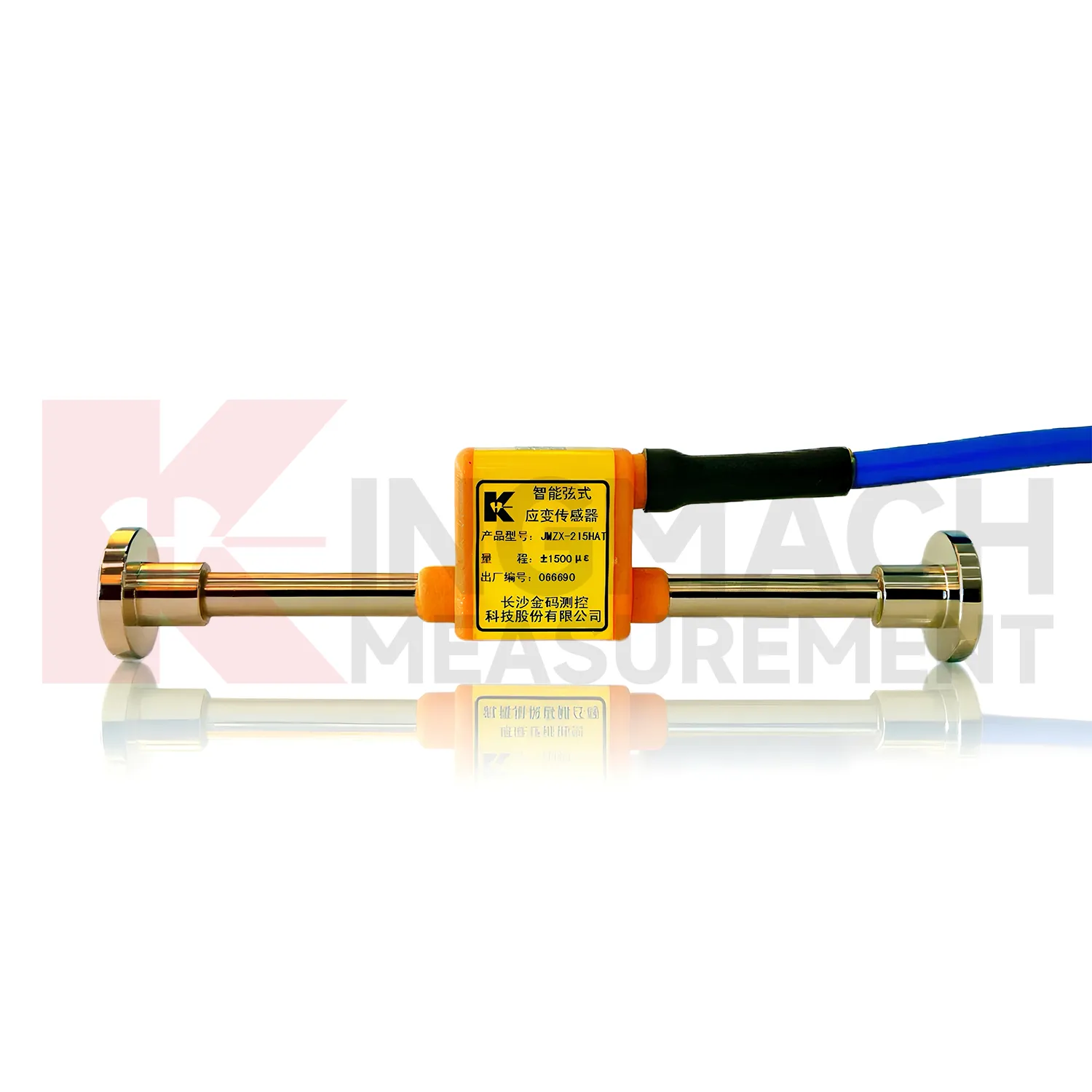
Kingmach {keyword} covers several installation forms for concrete and steel monitoring. The JMZX-215HA/215HAT/HB embedded model is tied to structural rebar or fixed on a mounting bracket before concrete pouring, then used after the concrete reaches the required strength. It is suitable for internal strain measurement in bridges, tunnels, dams, underground structures, piles, and concrete members where surface access is limited. Product parameters include a ±1500 microstrain standard range, 0.5%F.S. strain precision, 0.1 microstrain resolution, and a 146 mm gauge length. The built in high performance exciter uses pulse excitation, giving fast test speed and stable vibrating wire frequency transmission over long distances. A fully sealed stainless steel structure provides waterproof durability up to 150 meters. Kingmach also supports automated acquisition, so the sensor can be used in unattended long term monitoring instead of manual reading only. For projects that need traceable readings, these parameters matter because the sensor may be buried in concrete, fixed on steel, or connected to an unattended data logger for months or years. The combination of range, resolution, waterproofing, and temperature data helps engineers decide where the model fits. That is why model data, calibration values, and channel labels should travel with the product from procurement to commissioning.
Application of full bridge strain gauge
In tunnel engineering, {keyword} helps monitor lining stress, segment response, support force, and strain changes caused by excavation, ground pressure, water pressure, or nearby construction. Tunnel monitoring often faces damp air, dust, limited access, and long cable runs. Kingmach embedded strain gauges such as JMZX-215HA/215HAT/HB are installed on rebar or brackets before concrete pouring and provide a ±1500 microstrain range, 0.5%F.S. precision, and 0.1 microstrain resolution. The sealed stainless steel structure has waterproof durability up to 150 meters, which is useful for wet underground conditions. For steel supports or pipes, the JMZX-206HAT welded model can be used on a polished steel surface. The strain record helps engineers judge lining load, support behavior, concrete creep, and whether ground movement is changing the stress path. For this scene, the listed range and resolution help engineers see small changes before they become visible damage. The waterproof and anti interference features also matter because construction sites rarely provide clean laboratory conditions. The same record can support staged construction control, post event inspection, and long term maintenance planning. When data is collected automatically, engineers can compare daily movement instead of relying on occasional manual readings. This gives the project team a better way to separate normal behavior from a change that needs inspection.
The future of full bridge strain gauge
For dams, slopes, and remote infrastructure, the future of {keyword} will depend on low power field systems and remote transmission. A sensor installed in a gallery, anchor zone, or mountain slope may be hard to visit after construction. Kingmach's catalog already includes wireless data loggers, DTUs, acquisition modules, and monitoring platforms, which can support remote strain records when power and communication are designed carefully. Future projects may use LoRa, 5G, solar power, and edge storage to keep readings available during bad weather or network interruptions. Strain data will be more useful when it is reviewed with seepage, water level, settlement, and rainfall records instead of sitting alone. That is why product development should connect hardware durability with data quality, including stable frequency signals, protected cabling, timestamped records, and practical alarm rules. That path keeps the technology tied to field decisions, not abstract promises. It also makes sensor data easier to use in owner reports and maintenance meetings.
Care & Maintenance of full bridge strain gauge
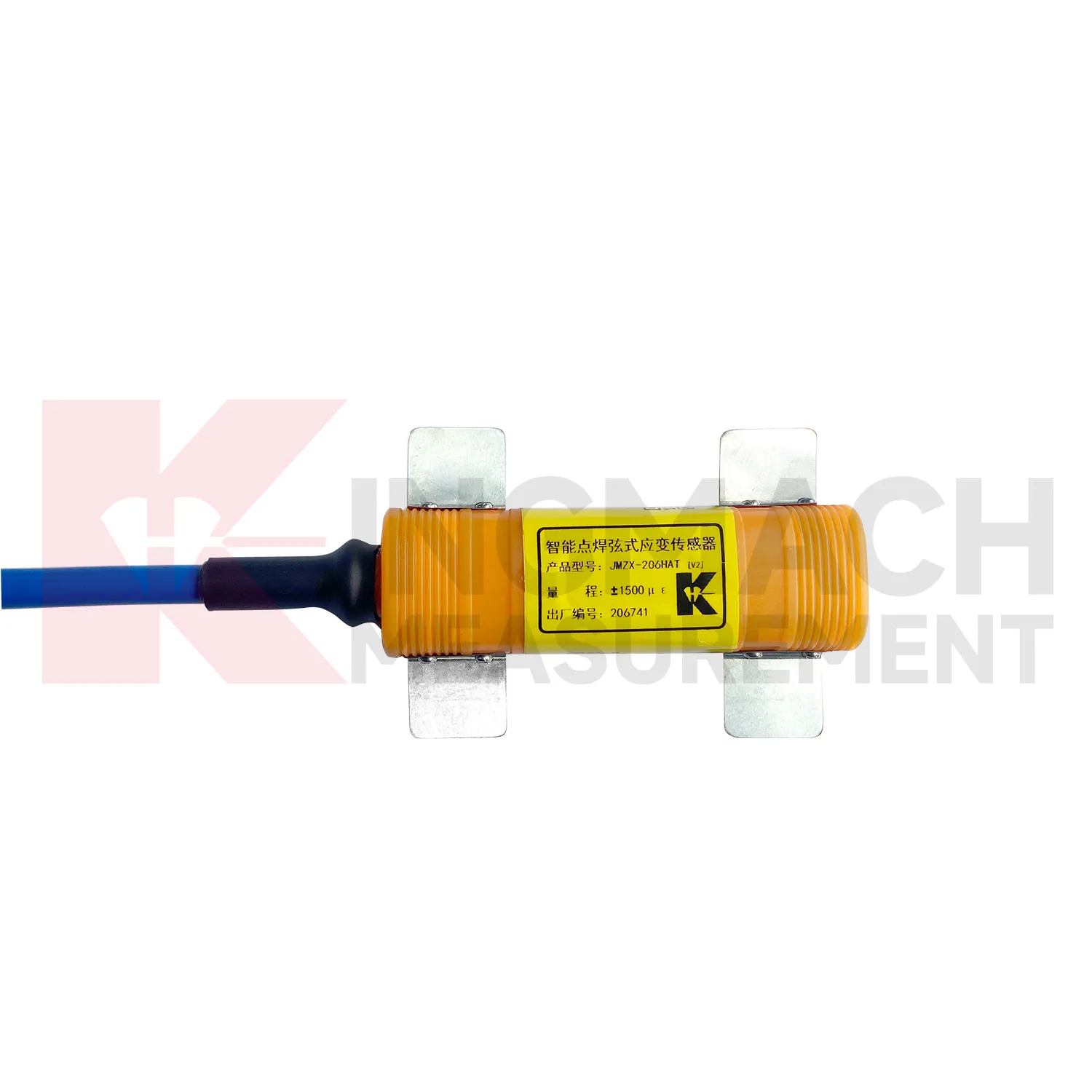
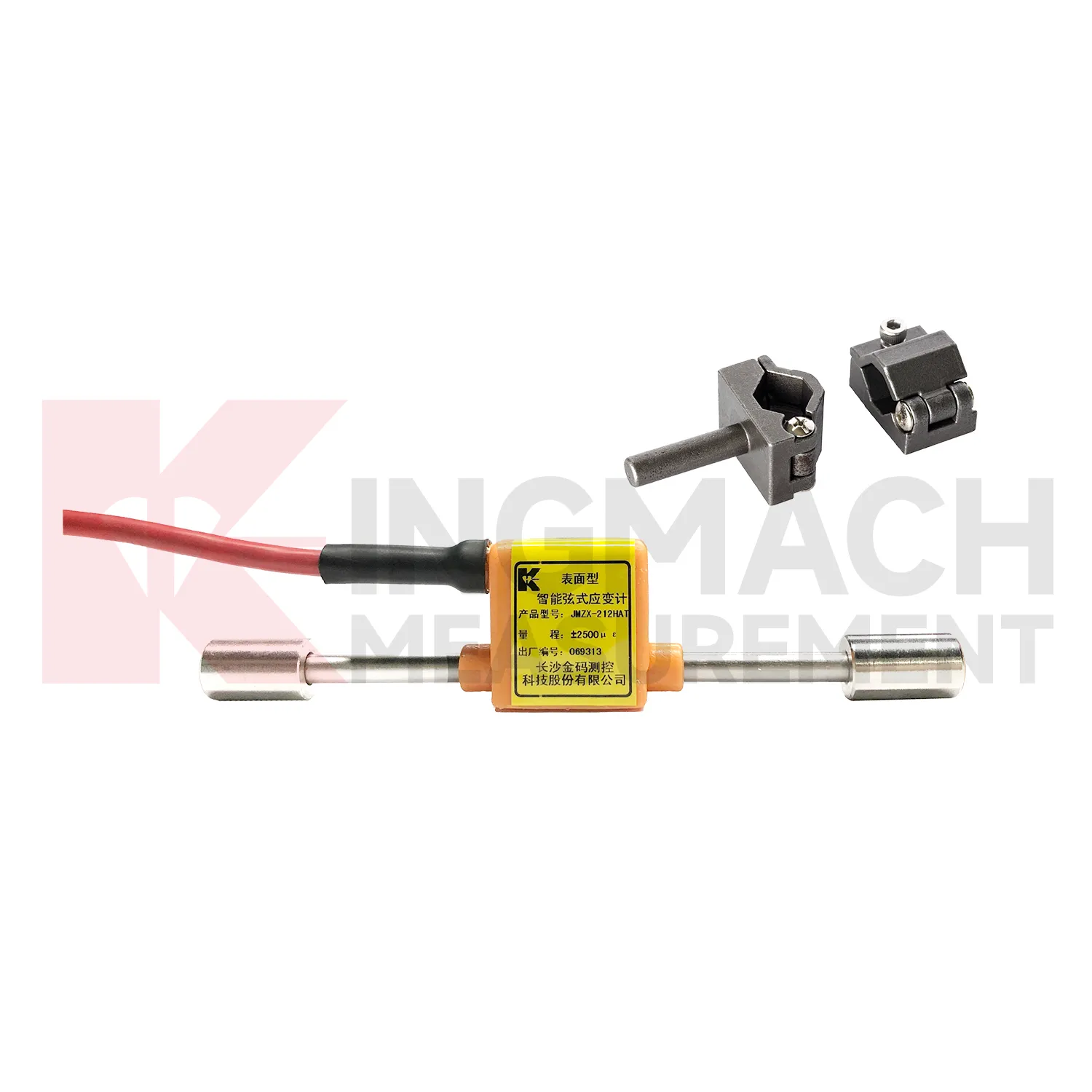
For welded {keyword}, installation quality controls later maintenance effort. The JMZX-206HAT model uses spot welding on a polished 10 x 80 mm flat surface, and the low height design helps reduce strain errors caused by bending deformation. Before installation, remove rust, coating, oil, and uneven surface marks from the welding area. After welding, protect the sensor and cable from impact, grinding, repainting, and heat during nearby work. During operation, inspect the welded area for corrosion, loosened protection, cable strain, and damage after repair activities. The model's -1500 to +2500 microstrain range and 0.1 microstrain resolution can provide useful data only when the welded connection remains stable. For long term contracts, owners should define who reviews baseline drift, who approves recalibration, and who records construction events that may explain unusual strain movement. Replace damaged protection before water reaches the connection. Compare suspicious readings with nearby channels before repair decisions. Keep these checks in the project log.
Kingmach full bridge strain gauge
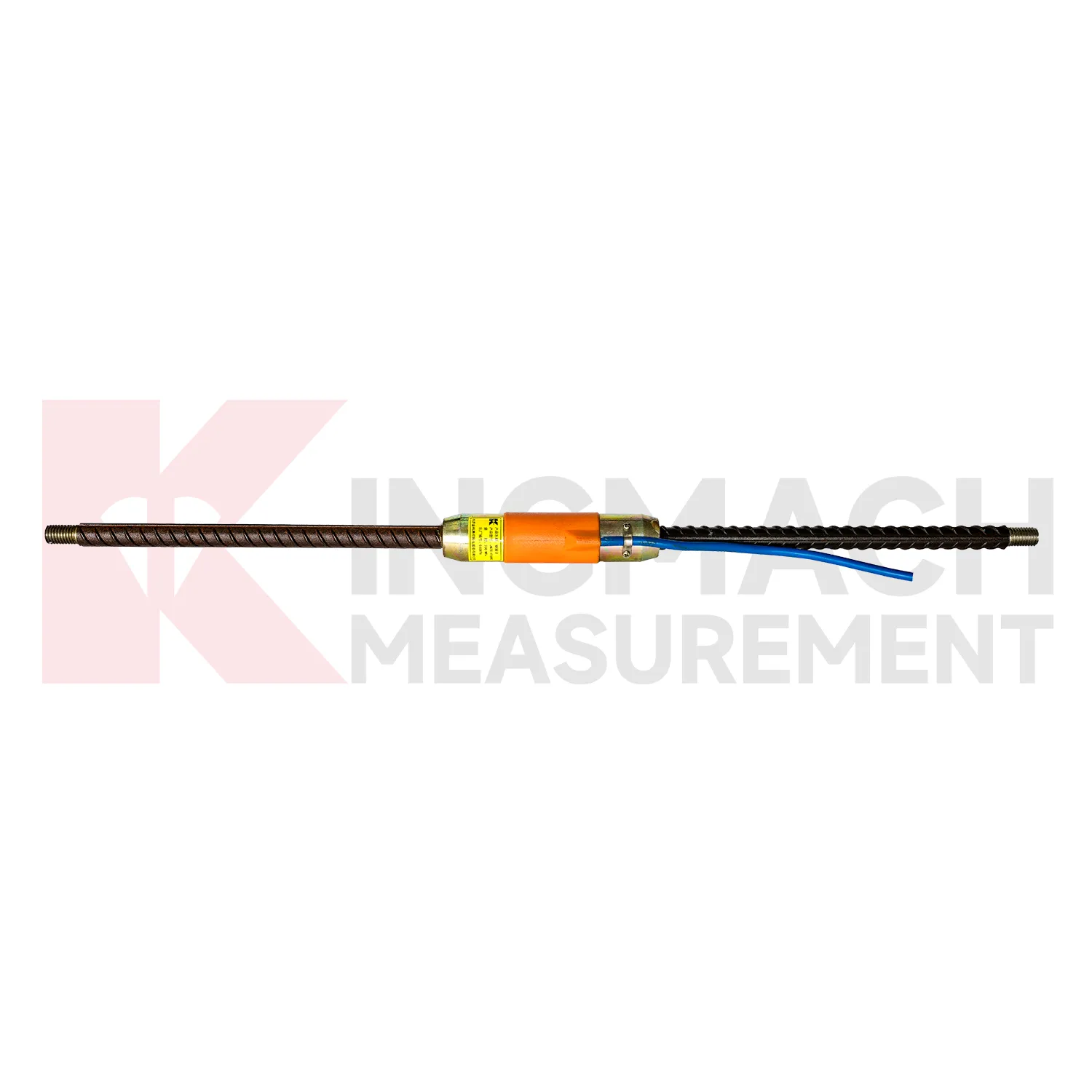
For reinforced concrete work, {keyword} can be installed where the stress path cannot be seen after pouring. Embedded gauges and rebar strainmeters allow engineers to follow internal strain, reinforcement stress, shrinkage, creep, and load transfer inside concrete members. Kingmach's JMZX-215HA/215HAT/HB embedded model is tied to rebar or mounted on brackets before concrete placement, while the JMZX-4XXHAT/HB rebar strainmeter measures stress in reinforcing steel. These instruments are useful in dams, bridges, pile foundations, cut off walls, tunnels, and large buildings. The data helps project teams understand whether the internal structure is carrying load as intended after construction advances. Because the monitoring point is selected around an engineering risk, the reading can support inspection planning, load review, reinforcement work, or acceptance testing. It also gives engineers a cleaner baseline for later comparison. The same data can guide inspection notes and repair timing. Site records matter. That field record supports later inspection.
FAQ
Q: What is the difference between surface and embedded {keyword}?
A: Surface models read strain on accessible concrete or steel surfaces, while embedded models are tied to rebar or brackets before concrete is poured.
Q: What is the difference between welded gauges and bonded gauges?
A: Welded gauges are fixed to prepared steel by spot welding, which can be more suitable for long term steel structure monitoring in some field conditions.
Q: Why use a vibrating wire design?
A: Vibrating wire signals can transmit over long distances with strong anti interference performance, which suits civil infrastructure monitoring.
Q: What does 0.1 microstrain resolution mean?
A: It means the instrument can distinguish very small strain changes, provided installation, cabling, acquisition, and environmental correction are handled correctly.
Q: Can it be used with digital platforms?
A: Yes. Strain readings can be sent through acquisition hardware to monitoring platforms for trend review, alarms, and comparison with other sensor data.
Reviews
Andrew Lee
The visualization software is intuitive and powerful. It helps us analyze monitoring data efficiently.
Christopher Martinez
Very satisfied with the readouts & data loggers. User-friendly interface and supports multiple sensor inputs.
Latest Inquiries
To protect the privacy of our buyers, only public service email domains like Gmail, Yahoo, and MSN will be displayed. Additionally, only a limited portion of the inquiry content will be shown.
Isabella***@gmail.comGermany
Hello, we are evaluating weir flow meters for a water management project. Please share accuracy deta...
Amelia***@gmail.comSingapore
Hello, I am looking for visualization software for monitoring system data analysis. Please let me kn...
Related product categories
- Embedment Strain Gauges
- Rebar Strain Gauges
- Concrete Strain Gauges
- Rock/Soil Strain Gauges
- VW strain gauges
- Smart vibrating wire strain gauge (surface model)
- Smart vibrating wire strain gauge (embedment model)
- Smart vibrating wire strain gauge (surface welded model)
- strain sensor
- strain sensors
- flexible strain sensor
- resistive strain sensor