
 EN
 ar
 bg
 hr
 cs
 da
 nl
 fi
 fr
 de
 el
 hi
 it
 ko
 no
 pl
 pt
 ro
 ru
 es
 sv
 tl
 iw
 id
 lv
 lt
 sr
 sk
 sl
 uk
 vi
 et
 hu
 th
 tr
 fa
 ms
 hy
 ka
 ur
 bn
 mn
 ta
 kk
 uz
 ku

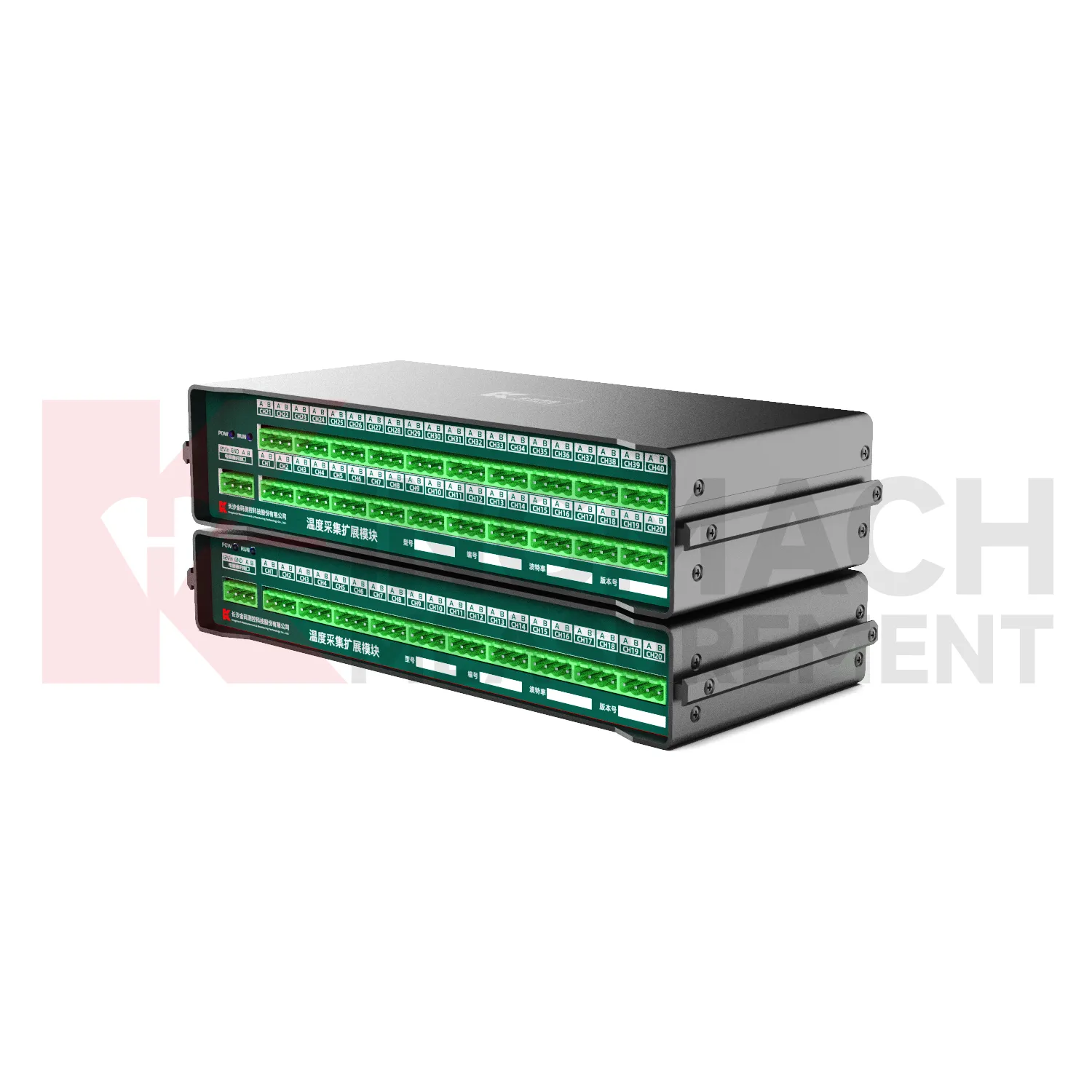
Temperature Acquisition Expansion Module
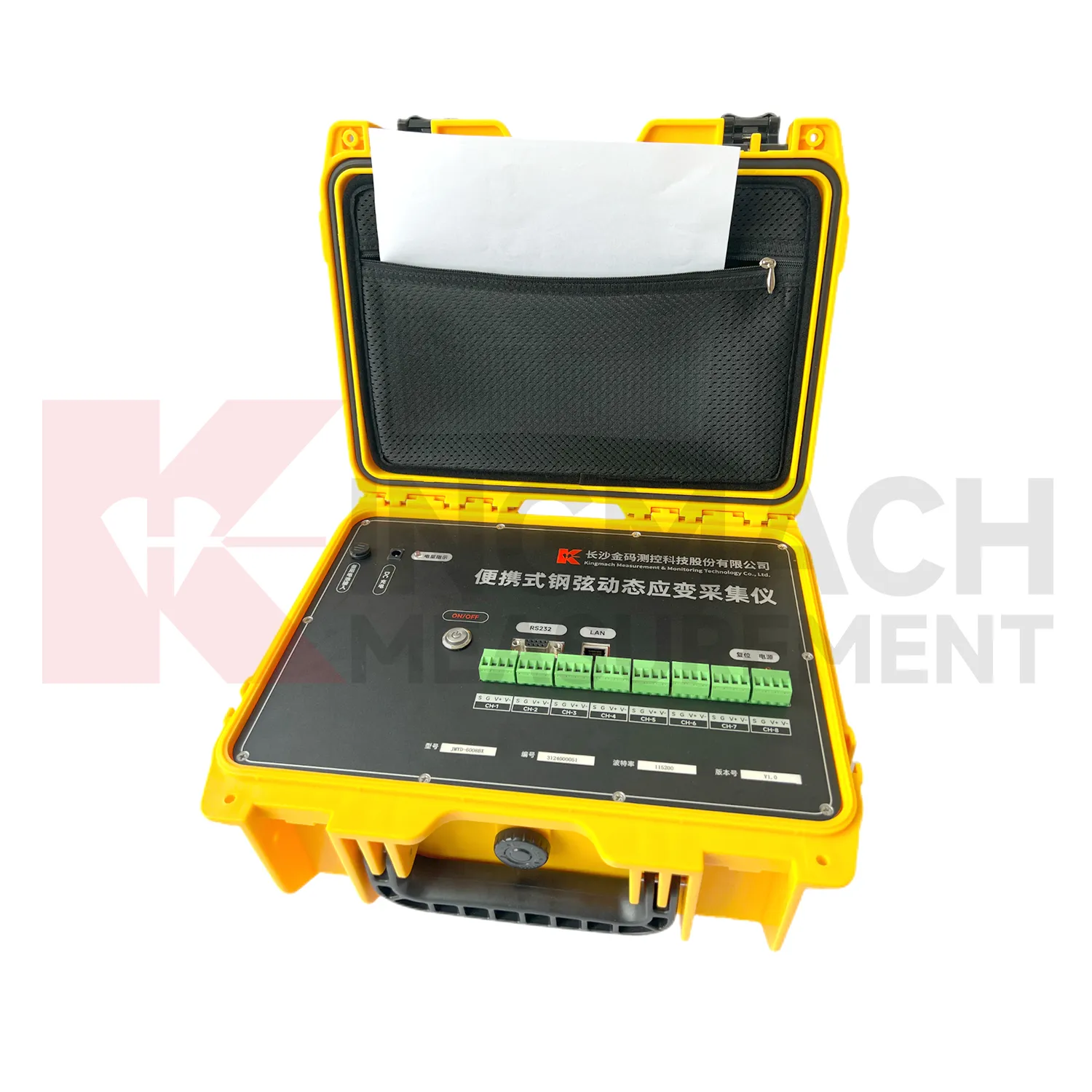
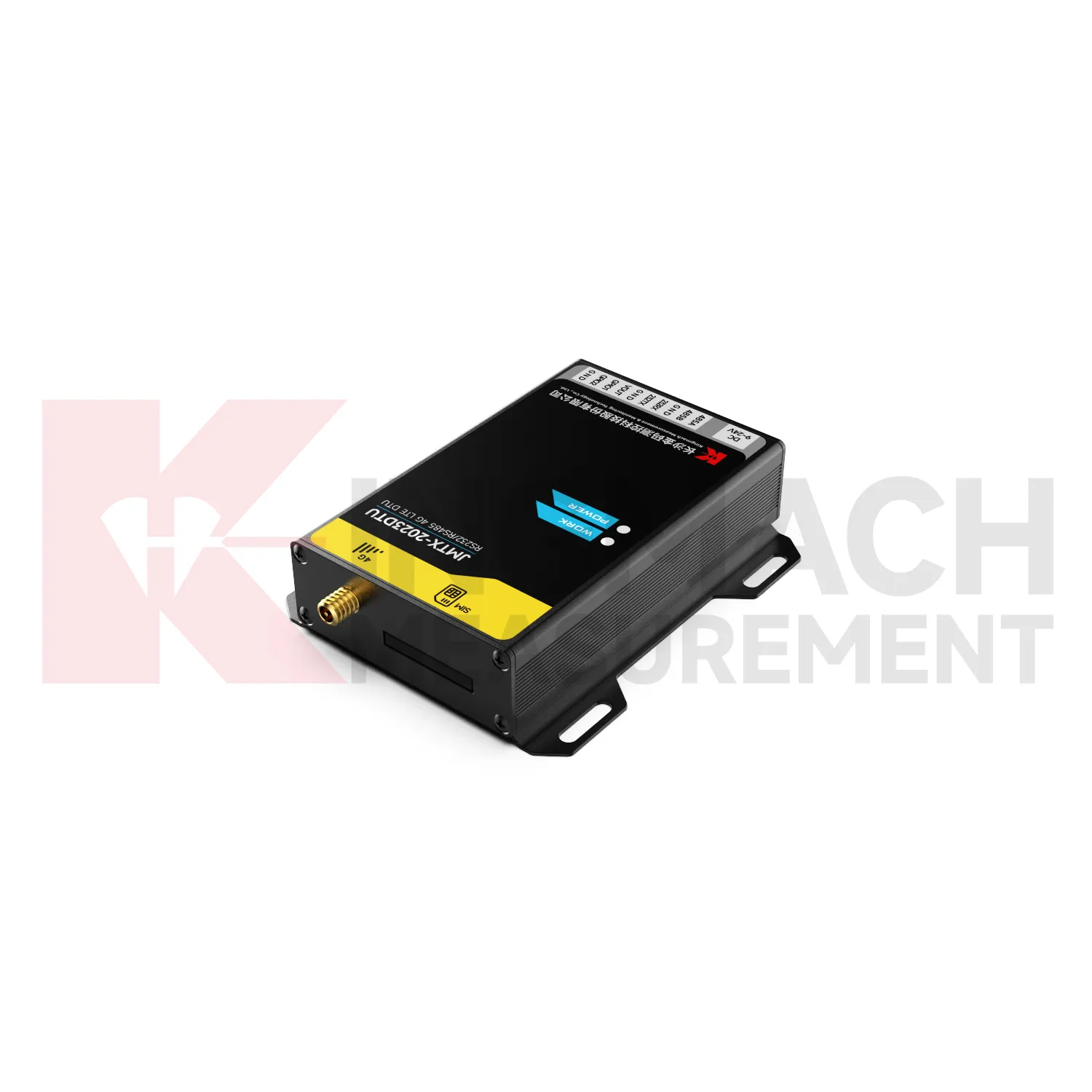
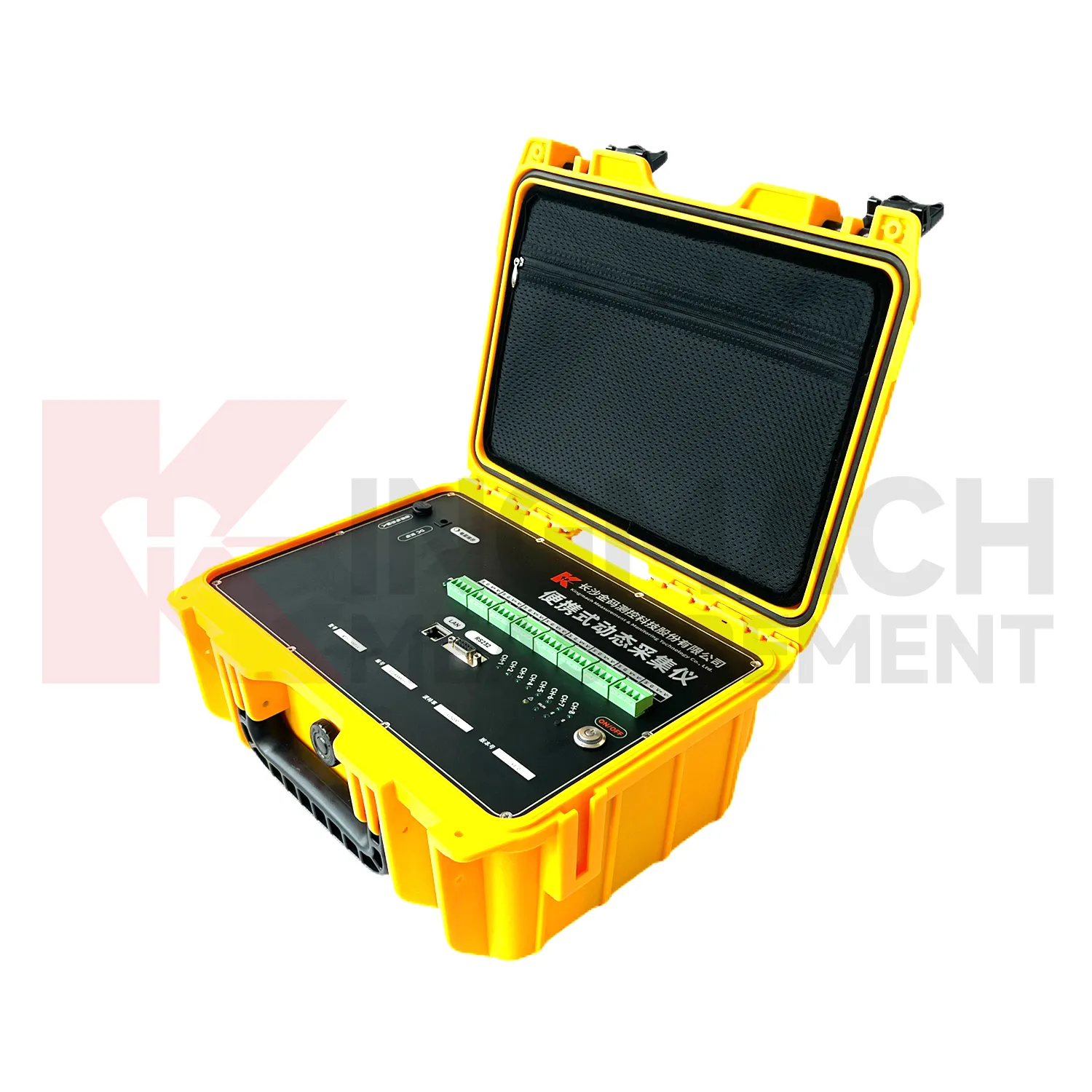
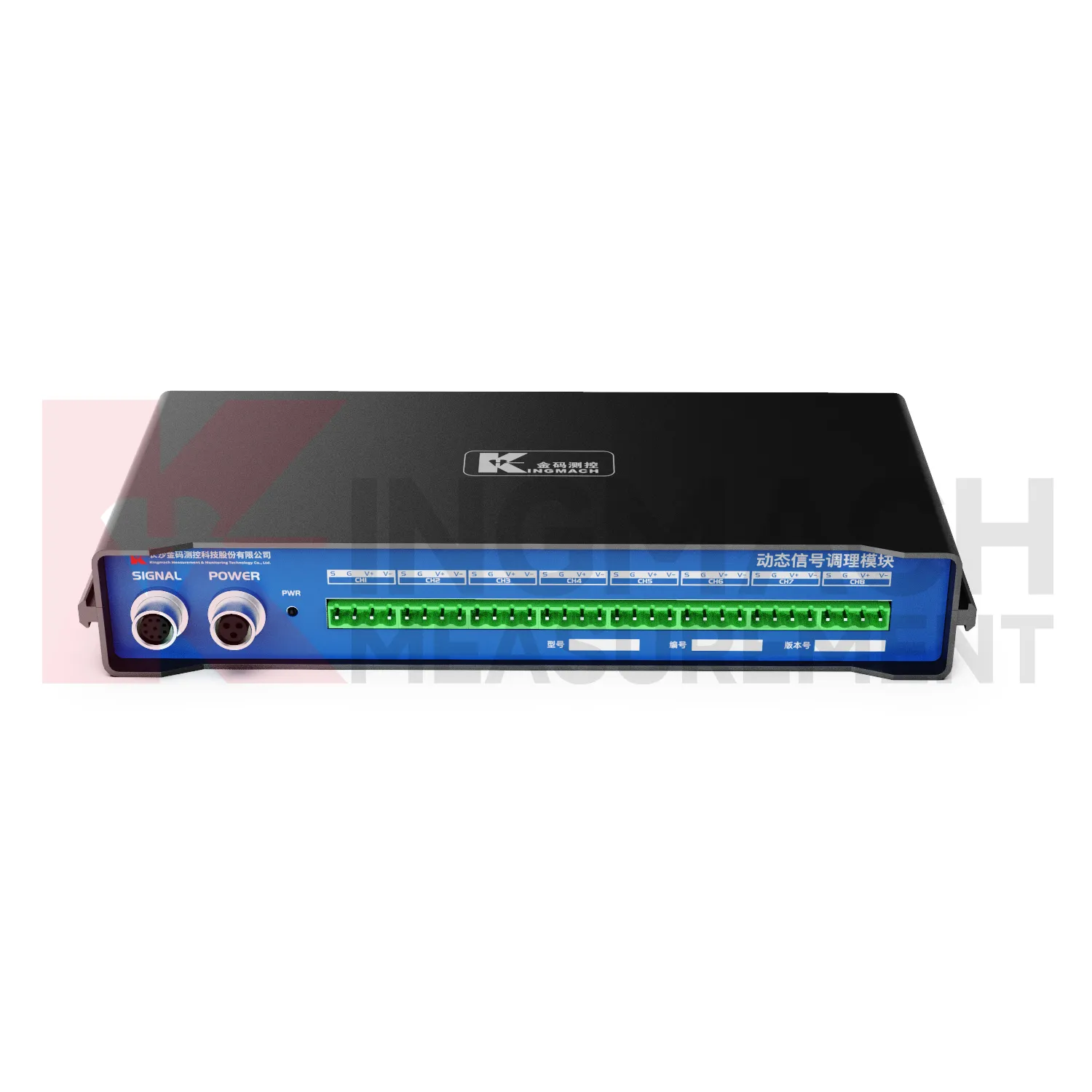
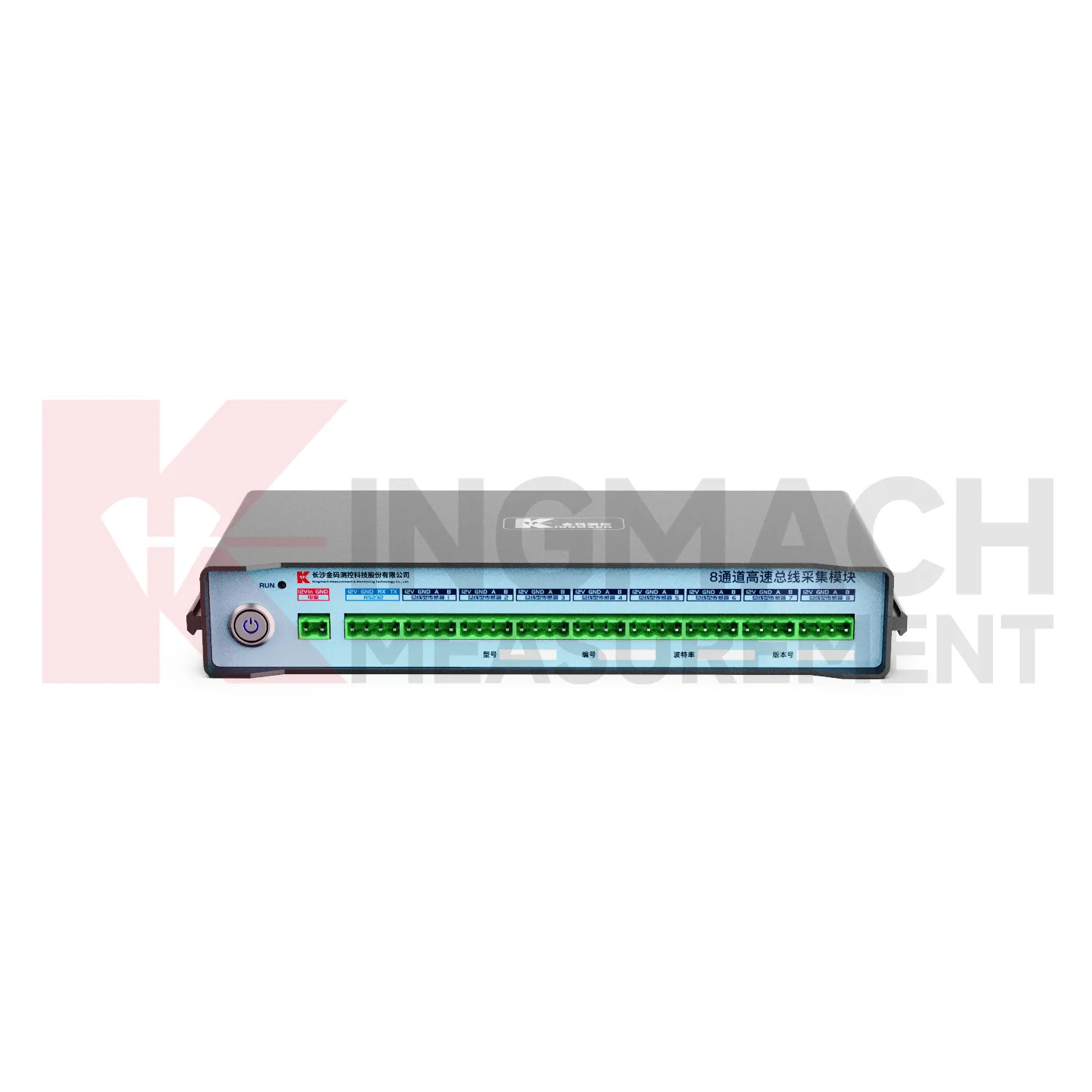
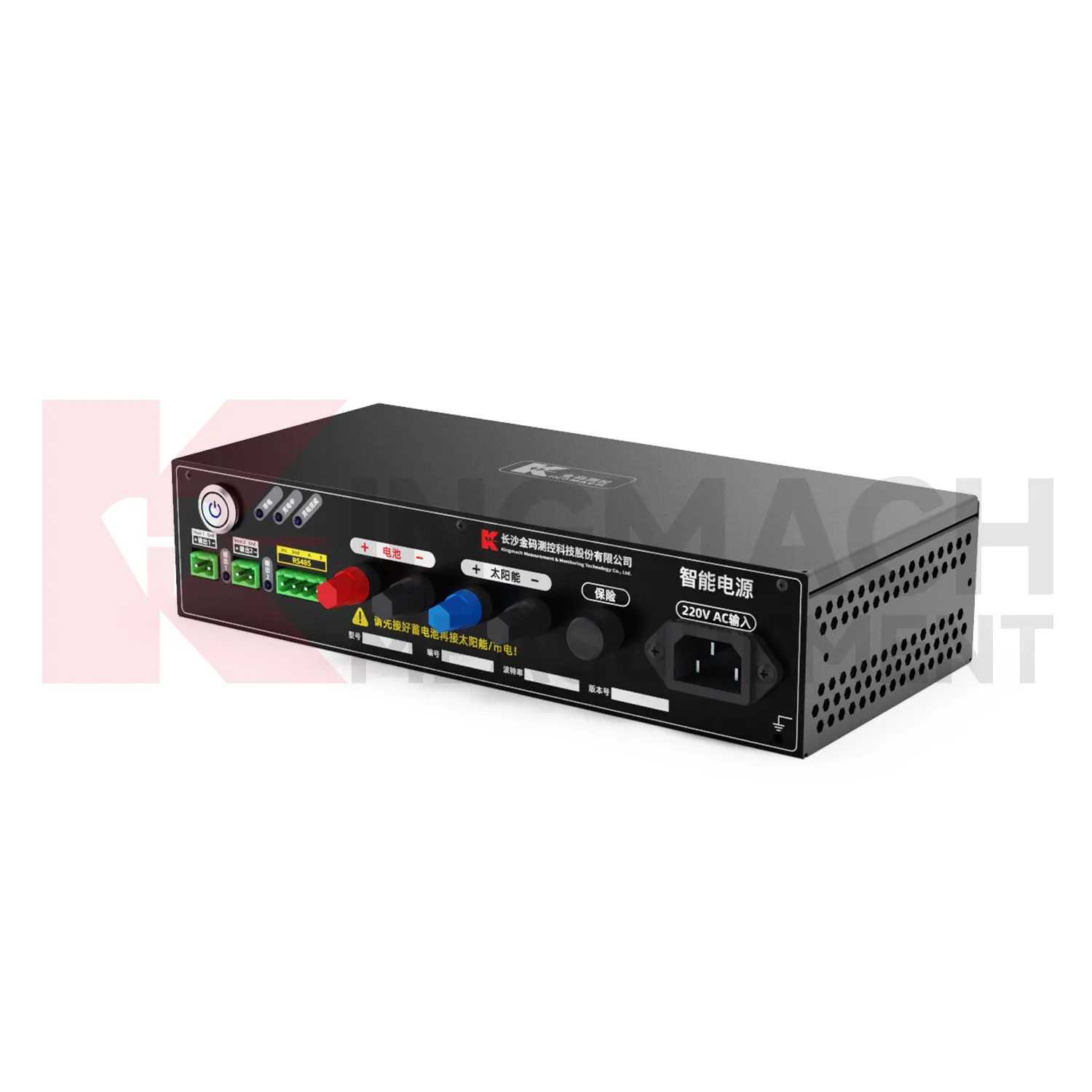
Kingmach Temperature Acquisition Expansion Module make monitoring networks easier to operate when sensor readings must support formal decisions. Construction teams may need fast confirmation after loading or excavation. Maintenance teams may need periodic checks after repair. Owners may need long-term records that can be exported for reporting. A data logger or readout should support these uses through stable measurement, clear display, dependable storage, and practical communication. It should also help prevent avoidable confusion by keeping the channel name, sensor type, and acquisition time visible. When the device is planned as part of the monitoring system, the project gains cleaner data and fewer uncertain readings. Formal decisions often require a record that can be defended months later. The reviewer may need to know who collected the data, which device was used, whether the station was healthy, and whether a field note explains unusual behavior. Acquisition discipline gives that review a stronger foundation and reduces arguments about missing context. Such discipline supports construction claims, repair review, safety meetings, and owner handover. A dependable device record can show whether a reading was routine, repeated, missing, or linked to a maintenance action. It also helps teams explain why an abnormal value was accepted, questioned, repeated, or linked to field inspection.
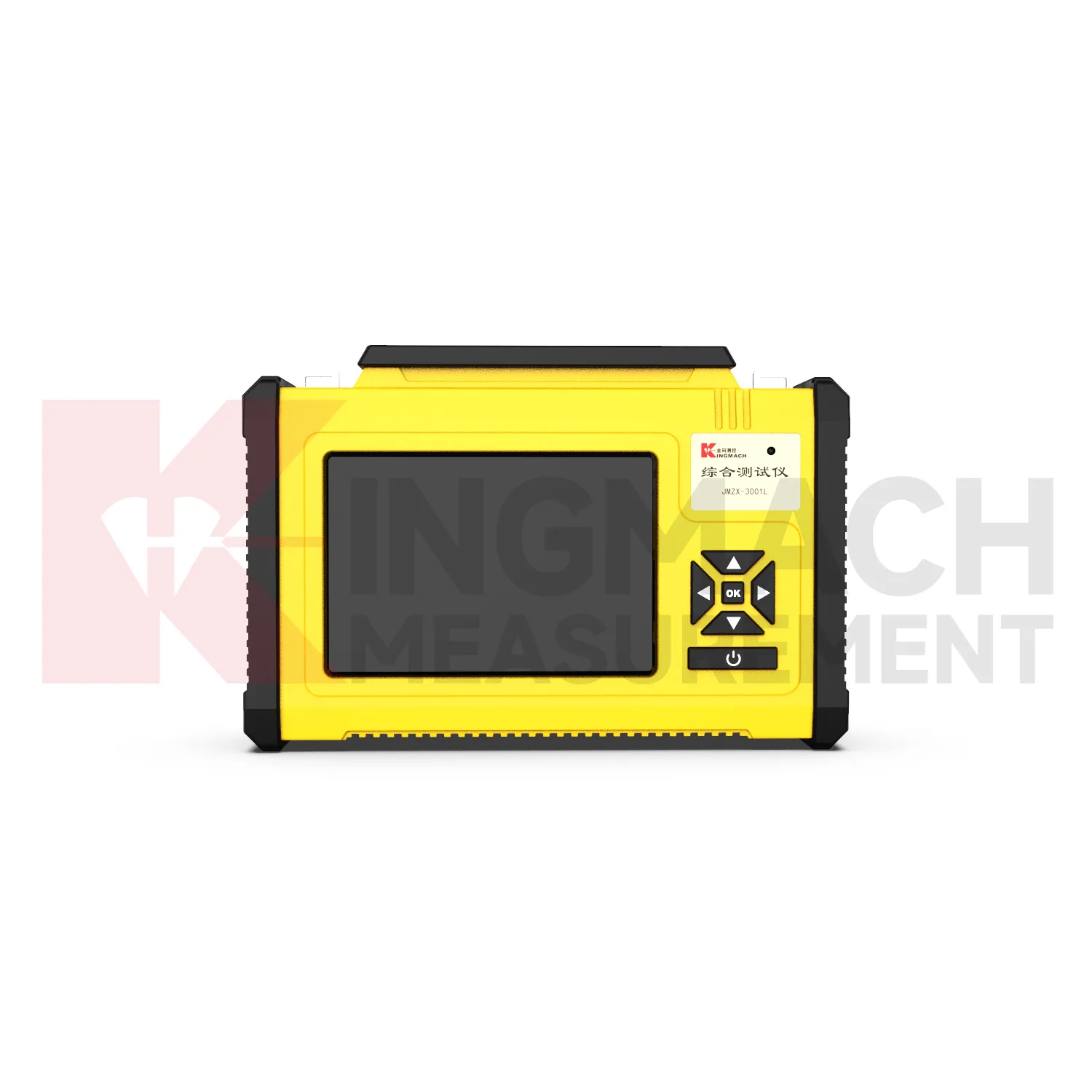
Application of Temperature Acquisition Expansion Module
Slope and foundation pit monitoring uses Kingmach Temperature Acquisition Expansion Module to keep displacement, load, pore pressure, rainfall, tilt, and structural response records organized. Field crews may use readouts to check sensors during excavation stages, anchor tensioning, drainage work, or inspection visits. Wireless loggers are useful when the site needs continuous records through rain, night shifts, or limited access periods. The acquisition interval should match the risk level and the construction stage. If excavation changes quickly, more frequent records may be needed; if the site is stable, routine intervals may be enough. A well-labeled data logger helps engineers compare changes with rainfall, excavation depth, support installation, and site photographs. In foundation pits, the monitoring record should follow construction sequence closely. Excavation depth, support installation, dewatering activity, anchor work, and heavy rainfall can all change the reading pattern. Acquisition equipment should help the team keep these events attached to the correct sensor group. This makes it easier to see whether a change belongs to construction progress, weather, support behavior, or a device issue. It also helps supervisors compare readings before and after excavation steps, temporary loading, rainfall response, and support adjustments without losing the site timeline. across the construction record. for later review. clearly.
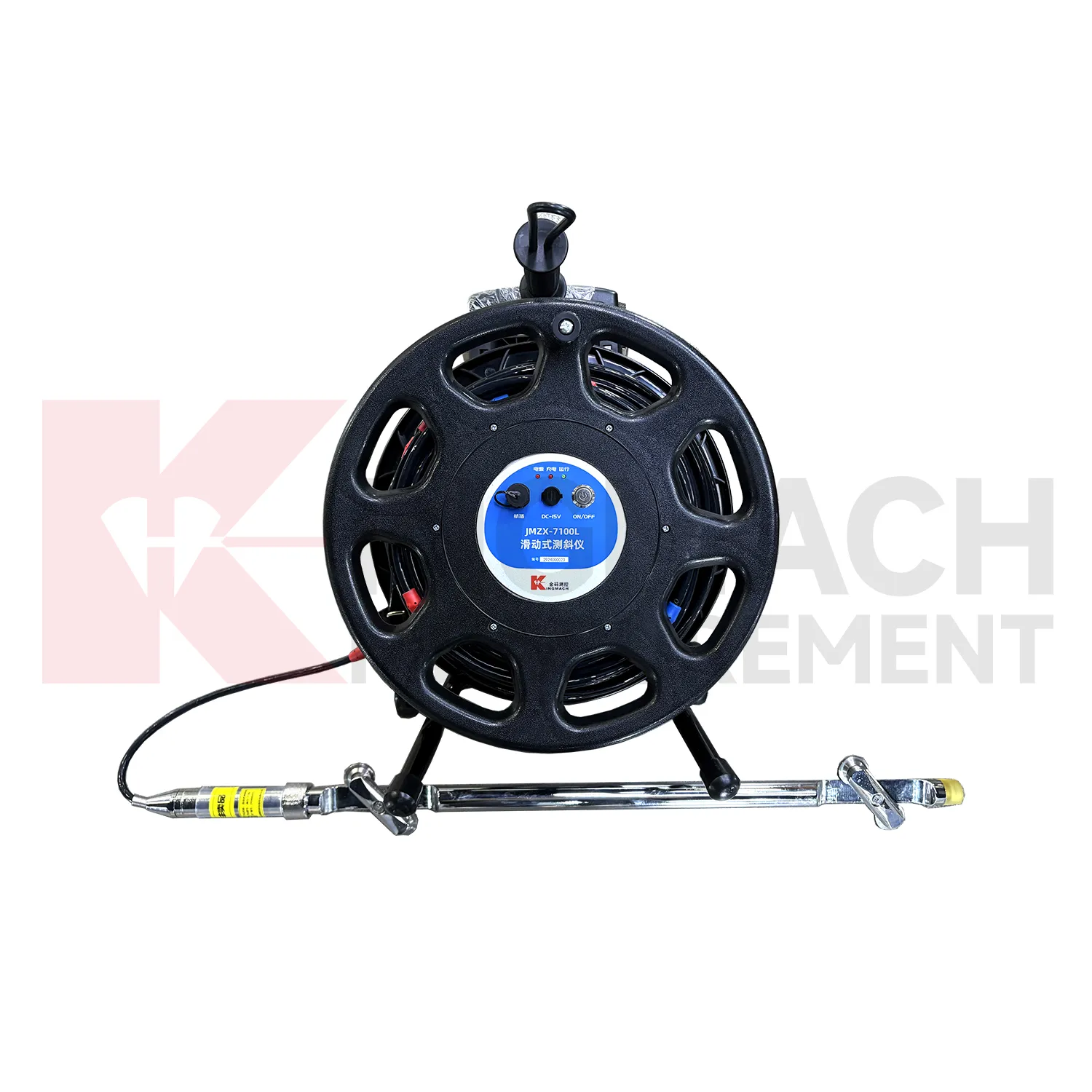
The future of Temperature Acquisition Expansion Module
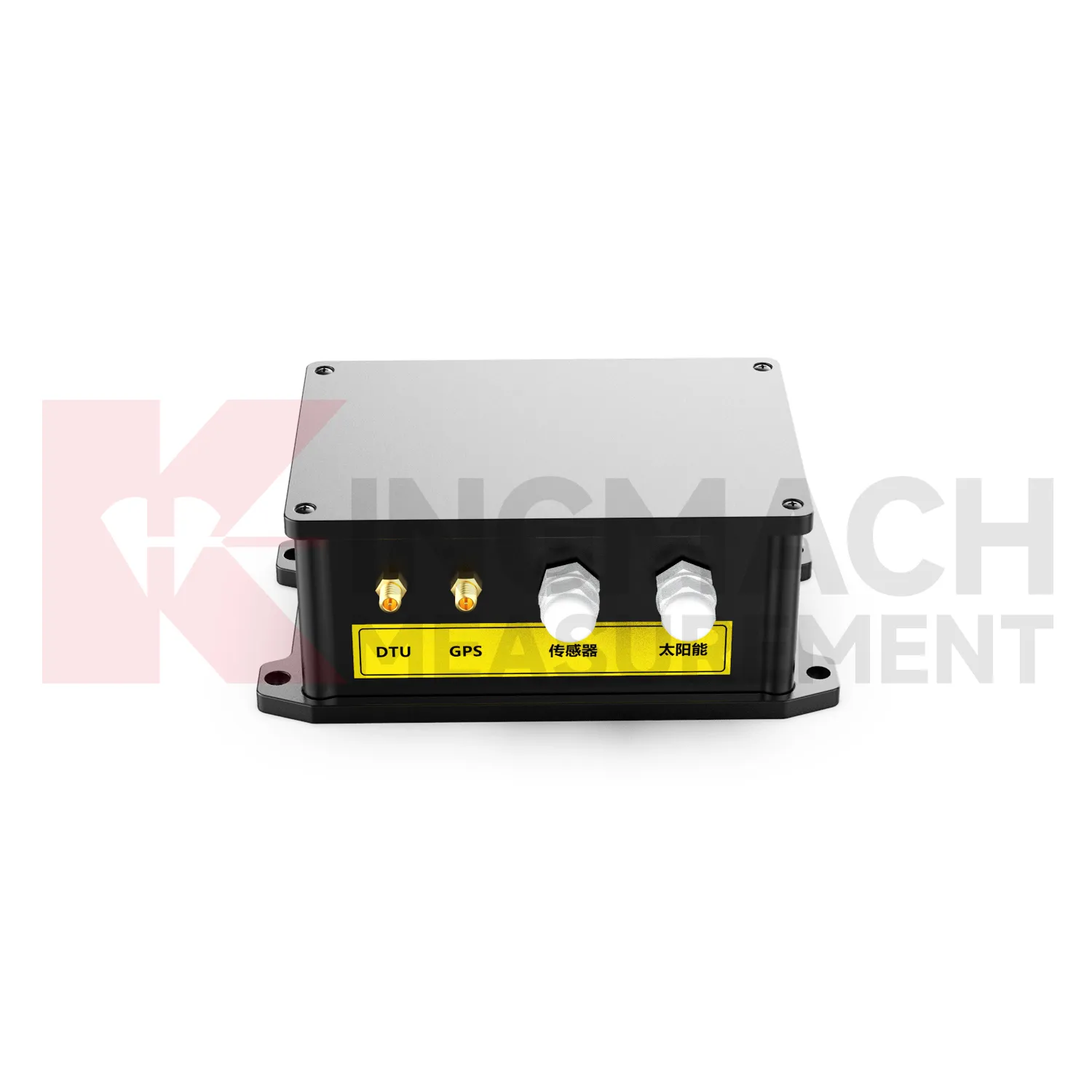
Future Kingmach Temperature Acquisition Expansion Module will make remote monitoring more practical for unattended structural and geotechnical stations. Low-power acquisition, scheduled measurement, wireless upload, and remote maintenance can reduce repeated site visits. The value is not only convenience; it is continuity during weather events, night work, and restricted access periods. A remote station should show whether it is collecting, uploading, storing, and operating within expected power conditions. When this information is available, engineers can trust the data stream more confidently and plan field visits around actual station needs. Future remote stations can also make maintenance routes more efficient. If a slope logger reports weak battery but stable sensor values, the crew can prepare power service. If a bridge station uploads late after rain, the team can check enclosure and signal condition first. This kind of device context helps field work become more targeted. while protecting data continuity. across remote sites. over time. safely.
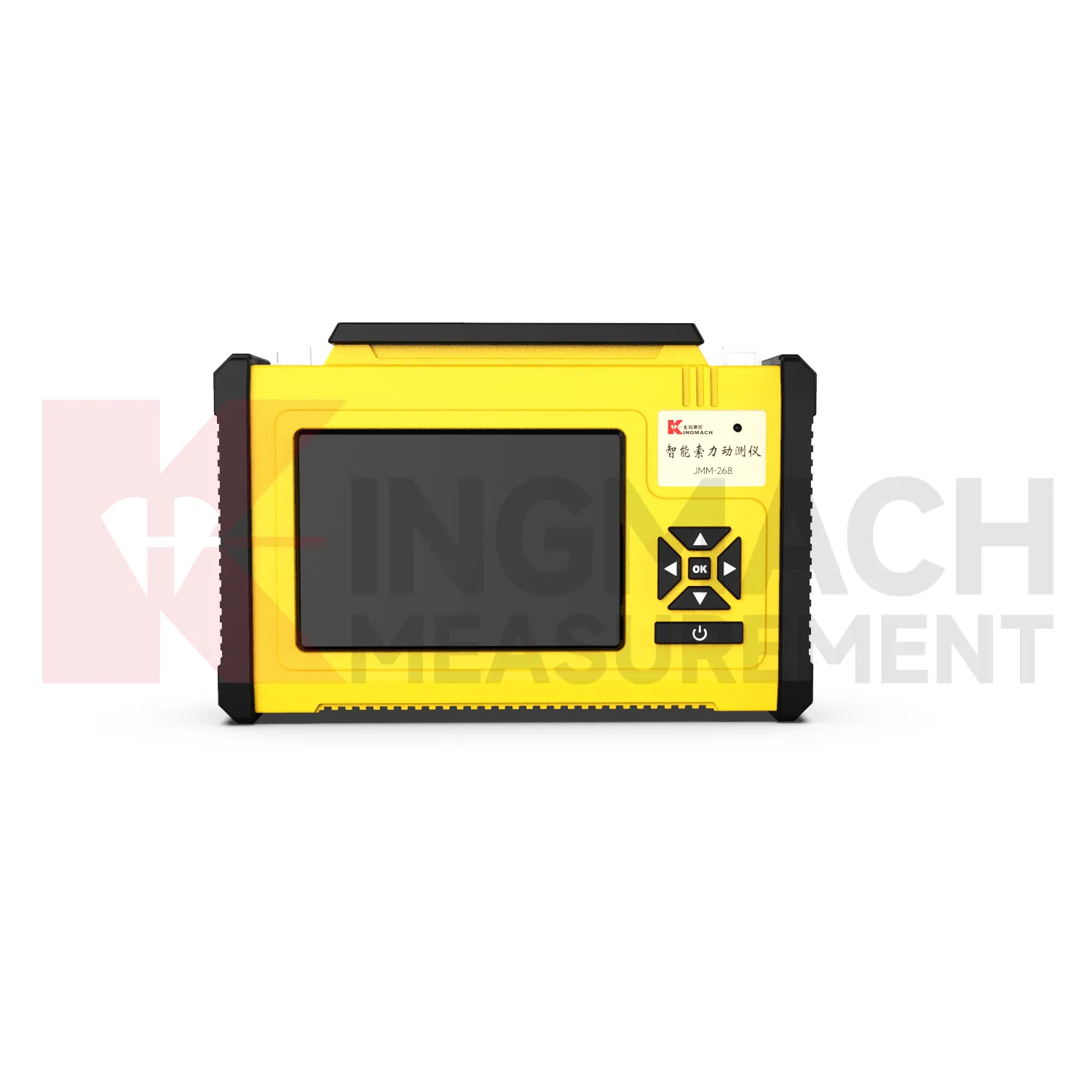
Care & Maintenance of Temperature Acquisition Expansion Module
Care and maintenance of Kingmach Temperature Acquisition Expansion Module should begin with channel and point identity. Every readout or logger record should match the physical sensor point, cable label, channel name, and project location. If labels fade, cables are moved, or channel names are changed without notes, later reviewers may not know which structure or sensor produced the value. Maintenance staff should keep updated channel lists, point photos, and connection diagrams. After a repair or reconnection, the first stable reading should be saved with a note about the work performed. This protects the monitoring history from avoidable confusion. Identity checks are especially important after sensor replacement or cabinet work. A technician should confirm the physical point before accepting a reading, then update the channel map if anything changed. This simple habit prevents a good value from being assigned to the wrong structure. during later review. by engineers and owners. over time. safely. clearly.
Kingmach Temperature Acquisition Expansion Module
Kingmach Temperature Acquisition Expansion Module support projects where many sensor types must be read consistently across installation, construction, and operation. Portable readouts are useful when field crews need immediate confirmation of a vibrating wire sensor, temperature point, or dynamic signal before leaving the site. Fixed and wireless loggers are useful when the project needs unattended monitoring, scheduled acquisition, or remote upload. The buyer should evaluate the complete workflow: which sensors are connected, how often readings are needed, how data is stored, who reviews alarms, and how records are handed over. A reliable acquisition plan reduces missed readings and makes later engineering review easier. For mobile testing, the operator also needs clear channel naming, stable sensor connection, charged power, and a short note about the test condition before the instrument is moved to the next point. For remote stations, the acquisition interval, upload status, battery condition, enclosure condition, and last maintenance visit should remain visible so unattended monitoring does not become a blind record.
FAQ
Q: What affects data reliability?
A: Power condition, cable connection, enclosure protection, channel labels, sensor compatibility, time settings, storage status, and field notes all affect reliability.
Q: What should be checked after maintenance?
A: Check the affected channel, first stable reading, cable route, device setting, power status, communication status, and whether the maintenance note is attached to the record.
Q: Why keep raw records?
A: Raw records allow engineers to review the original measurement behavior before filtering, summarizing, or comparing values with other site information.
Q: How do dynamic acquisition devices help?
A: They capture short events such as vibration, train passage, impact, blasting, or machinery activity with timing and channel information needed for later review.
Q: How can data gaps be reduced?
A: Use stable power, suitable acquisition intervals, protected enclosures, clear maintenance routines, communication checks, and scheduled data review. The record stays useful when point names, channel labels, sensor type, measurement time, and field condition are kept together, because later reviewers can connect the number with the actual structure and inspection history.
Reviews
Robert Taylor
The weir flow meter is well-built and delivers accurate measurements. Great value for water management applications.
James Thompson
The tiltmeters and accelerometers are very sensitive and provide precise data. Perfect for our structural health monitoring system.
Latest Inquiries
To protect the privacy of our buyers, only public service email domains like Gmail, Yahoo, and MSN will be displayed. Additionally, only a limited portion of the inquiry content will be shown.
Olivia***@gmail.comUnited States
Hello, we are currently sourcing high-precision strain gauges and load cells for a bridge monitoring...
Isabella***@gmail.comGermany
Hello, we are evaluating weir flow meters for a water management project. Please share accuracy deta...
Related product categories
- Portable Vibrating Wire Dynamic Strain Acquisition Readout
- Signal Acquisition Readout
- Portable Dynamic Signal Acquisition Readout
- data acquisition module
- signal acquisition module
- compact data acquisition modules
- acquisition module
- data acquisition modules
- modular data acquisition system
- modular acquisition
- portable data acquisition module
- signal acquisition and actuation module