
 EN
EN
 ar
ar bg
bg hr
hr cs
cs da
da nl
nl fi
fi fr
fr de
de el
el hi
hi it
it ko
ko no
no pl
pl pt
pt ro
ro ru
ru es
es sv
sv tl
tl iw
iw id
id lv
lv lt
lt sr
sr sk
sk sl
sl uk
uk vi
vi et
et hu
hu th
th tr
tr fa
fa ms
ms hy
hy ka
ka ur
ur bn
bn mn
mn ta
ta kk
kk uz
uz ku
ku
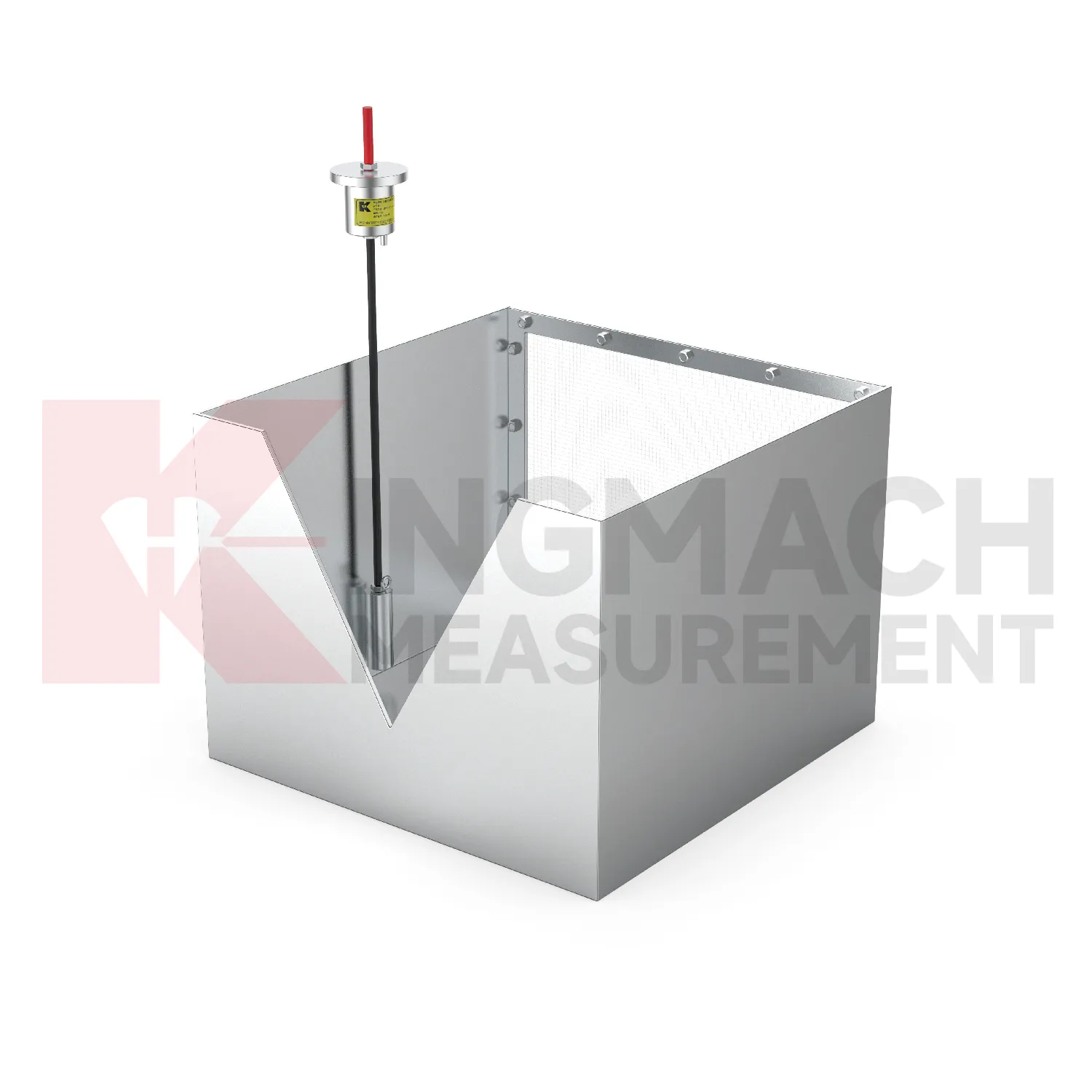
Intelligent Weir Flow Meter
The automatic data path for Kingmach Intelligent Weir Flow Meter should be planned before the site is closed or flooded. Flow records need clear time stamps, stable communication, correct units, and a point name that matches the physical channel. If a project has more than one weir point, the names should identify the structure, flow direction, and purpose. The data platform should allow operators to see normal patterns, storm response, maintenance effects, and abnormal events without guessing which point they are reviewing. A clean data path also helps when flow is compared with rainfall, water level, seepage, or gate operation. Good acquisition planning makes the measurement easier to trust and easier to use in daily operation. The strongest flow reports are written around decisions. They show whether to keep observing, clean the channel, inspect upstream conditions, check downstream backwater, or compare the point with another water-level or rainfall record. A weir point also needs safe routine access. If staff cannot reach the crest, enclosure, or sensing area during wet weather, the project may collect data but struggle to maintain confidence in it when the record is most important. Designers, operators, maintenance staff, and owners may read the same curve, so the record needs clear site conditions, inspection notes, and action history in plain engineering language.
Application of Intelligent Weir Flow Meter
Water supply and treatment facilities can use Kingmach Intelligent Weir Flow Meter to monitor flow through open channels, process by-pass points, or controlled discharge sections. The goal may be operating balance, inflow observation, outflow checking, or maintenance verification. The record becomes useful when it is tied to pump status, valve or gate operation, cleaning schedules, rainfall, and process events. A flow point should be placed where the water condition is stable enough to represent the channel. If foam, sediment, turbulence, or downstream water affects the control section, the data should be reviewed carefully. Good flow monitoring helps operators compare actual water movement with the expected operating state and quickly notice conditions that need field checking. In treatment work, timing matters because process changes, cleaning cycles, storm inflow, and maintenance by-pass events can all alter channel behavior. A dated record helps staff explain why flow changed and whether the change matched plant activity. It can also support handover between shifts, because the next operator sees not only the curve but the event that shaped it. That makes routine review more disciplined and less dependent on verbal memory. It also helps maintenance staff plan cleaning before reduced conveyance affects routine operation. across different work shifts.
The future of Intelligent Weir Flow Meter
Future Kingmach Intelligent Weir Flow Meter will make maintenance analytics more useful. A flow curve can reveal more than water volume; it can suggest sediment build-up, vegetation growth, debris, downstream backwater, or changed upstream operation. Future platforms can flag slow drift, sudden jumps, flatlines, and disagreements with rainfall or water level records. These checks will not replace field inspection, but they can tell maintenance teams where to look first. A channel that slowly loses capacity should be cleaned before it creates an operating problem. A point that reports impossible behavior should be verified before the data is used in a report. The next step is to connect alarms with practical field tasks. Instead of only saying that a value changed, the system can help operators decide whether to inspect the crest, check the outlet, review recent pumping, or compare the reading with a nearby level point. That kind of guidance saves time in remote channels and keeps routine maintenance tied to measurable behavior.
Care & Maintenance of Intelligent Weir Flow Meter
Care and maintenance of Kingmach Intelligent Weir Flow Meter should begin with the weir section itself. The crest, approach channel, water head location, and downstream condition must remain consistent with the original measuring purpose. Debris, sediment, algae, vegetation, damaged edges, or changed channel shape can affect the record even when the electronics are healthy. Maintenance staff should inspect the hydraulic control, not only the enclosure. Photographs after cleaning are useful because they show whether the measuring section remained clear. A flow curve is only as trustworthy as the channel condition behind it. A good routine separates hydraulic housekeeping from instrument checks. Crews can walk the channel after storms, remove trapped material before it hardens, confirm that the staff reference remains readable, and note whether nearby construction has changed the approach path. The written record should describe observed conditions in plain language, so a later reviewer can understand why a reading changed before adjusting any calculation or blaming the device.
Kingmach Intelligent Weir Flow Meter
For water conservancy and drainage work, Kingmach Intelligent Weir Flow Meter helps turn routine channel observation into a record that can be compared over time. Manual checks may capture a single moment, but automatic flow monitoring can show daily rhythm, storm response, operating changes, and abnormal behavior. The data is useful when it answers practical questions: Is the channel passing expected flow? Did a maintenance action restore capacity? Did a rainfall event create delayed discharge? Did sediment or debris affect the measurement? A strong flow monitoring plan connects the weir point with field inspection and maintenance notes so the number remains explainable. The value is not only in collecting a level reading. It is in creating a stable reference for how a channel behaves under normal use, heavy rain, seasonal change, and maintenance activity. When the same location is observed consistently, operators can see whether the site is changing gradually or reacting to a specific event.
FAQ
Q: What maintenance is needed?
A: Inspect the crest, approach channel, downstream condition, sensing area, enclosure, cable route, labels, and recent flow trend.
Q: How often should cleaning happen?
A: Cleaning frequency depends on debris, sediment, season, upstream activity, rainfall, and how critical the flow record is for the project.
Q: What should be checked after storms?
A: Check debris, sediment, water marks, downstream backwater, enclosure water entry, cable damage, and whether the first post-storm reading is plausible.
Q: Why record maintenance notes?
A: Maintenance notes explain whether a flow change came from real water behavior, cleaning, repair, blockage, or measuring-section disturbance.
Q: What if the weir point is modified?
A: Record the date, reason, old condition, new condition, and first stable reading so future reviewers can compare the curve correctly. Designers, operators, maintenance staff, and owners may read the same curve, so the record needs clear site conditions, inspection notes, and action history in plain engineering language.
Reviews
David Wilson
We purchased displacement transducers and settlement sensors, and the quality exceeded our expectations. Easy installation and reliable performance.
Christopher Martinez
Very satisfied with the readouts & data loggers. User-friendly interface and supports multiple sensor inputs.
Latest Inquiries
To protect the privacy of our buyers, only public service email domains like Gmail, Yahoo, and MSN will be displayed. Additionally, only a limited portion of the inquiry content will be shown.
Isabella***@gmail.comGermany
Hello, we are evaluating weir flow meters for a water management project. Please share accuracy deta...
Emma***@gmail.comCanada
Dear Sir/Madam, we are interested in displacement transducers and settlement sensors for a geotechni...
Related product categories
- Intelligent Weir Flow Meter
- Smart Weir Flow Meter
- weir flow meter
- weir type flow meter
- weir flow meter Price
- weir flow meter Manufacturer
- weir flow meter Supplier
- weir flow meter Solution
- weir flow meter System Integration
- weir flow meter Localization
- weir flow meter Domestic Manufacturing
- weir flow meter China